
Iran Proposes 30-Day Deadline to End US Conflict Amid Ongoing Tensions
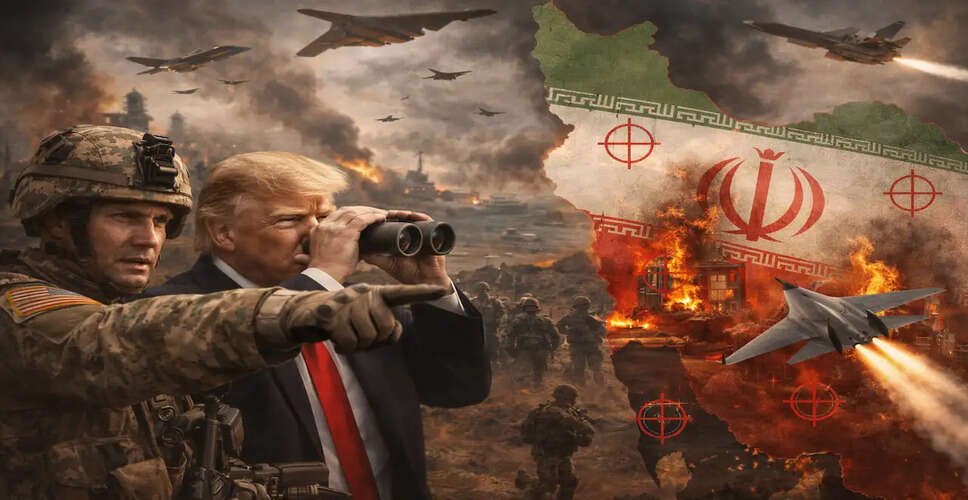

Iran's Proposal to the US: A New Hope for Peace?
The question on many minds is whether the conflict between the US and Iran is approaching a resolution. Iran has recently submitted a comprehensive 14-point proposal to the United States, effectively placing the responsibility on the US to respond. This proposal includes a 30-day deadline to conclude hostilities and lift the blockade on the strategic Strait of Hormuz.
This initiative emerges during a delicate ceasefire and outlines a two-phase approach, starting with a ceasefire and maritime access agreement, followed by discussions on nuclear issues. President Trump has indicated he is considering the proposal but remains doubtful about its viability. On his social media platform, he stated he would review the plan but expressed skepticism about its acceptability.
In a stark contrast, Trump intensified his rhetoric against Iran, asserting that the nation has not faced sufficient consequences for its actions. When questioned about the possibility of resuming military actions against Iran, he remarked, “If Iran misbehaves, we’ll see. It’s a possibility.”
Meanwhile, Iran maintains a strong stance regarding its control over the Strait of Hormuz. Ali Nikzad, Iran’s deputy parliament speaker, emphasized that Iran will not retreat from its position and will not revert to pre-war conditions. He stated, “The Strait of Hormuz belongs to the Islamic Republic of Iran,” and mentioned efforts to compensate for damages incurred during the conflict, dismissing Trump’s blockade strategy as destined to fail.
According to Iranian sources, Iran responded to a previous nine-point proposal from the US, which sought a two-month ceasefire. Iran insisted that matters must be resolved within 30 days, shifting the focus from merely extending the ceasefire to actually concluding the war.
Key elements of Iran's latest proposal include assurances against aggression, the withdrawal of US troops from surrounding regions, lifting the naval blockade, releasing frozen Iranian assets, compensation payments, lifting sanctions, and ending hostilities on all fronts, including in Lebanon, along with establishing a new framework for the Strait of Hormuz.
In Lebanon, tensions remain high, with ongoing clashes reported in the southern region. Israel has ordered the evacuation of 11 settlements, as its military prepares to engage Hezbollah, resulting in casualties. The Iranian-supported group continues to launch attacks on northern Israel.
As both the US and Iran stand firm in their positions, the upcoming 30 days are crucial in determining whether diplomatic efforts will succeed or if the conflict will persist, now entering its second month.