
Iran Mobilizes Over One Million Troops Amid Rising Tensions with the US
Iran's Massive Troop Mobilization
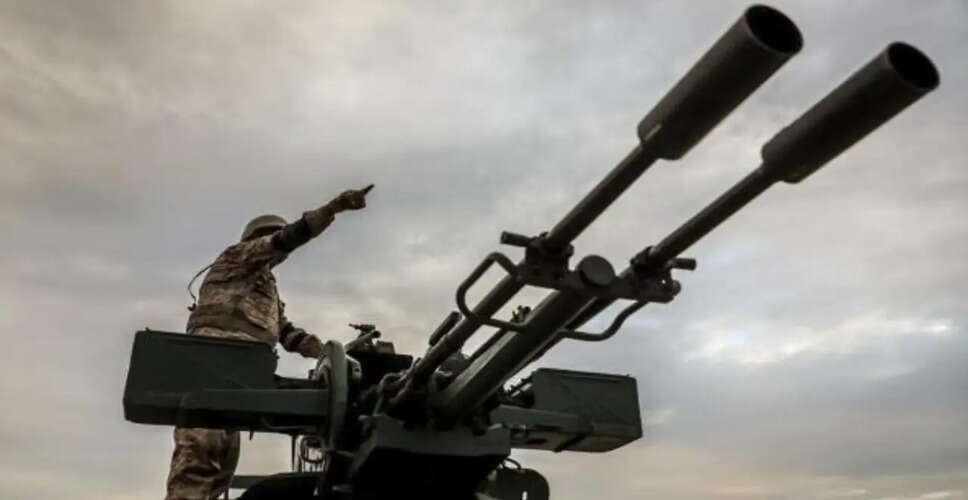
In a significant escalation of tensions with the United States, Iran has announced the mobilization of over one million troops and fighters. This information was reported by state-affiliated media, highlighting a wave of volunteers eager to defend the nation. A senior military official indicated that many individuals, both trained personnel and civilians, have stepped forward to join the cause, which authorities have characterized as a robust expression of national solidarity.
Reasons Behind Iran's Mobilization
Why Did Iran Claim Mass Mobilization?
Iranian leaders assert that this mobilization is a response to escalating threats from the United States concerning the strategic Strait of Hormuz, a vital passage for global oil transport. The US has insisted that Iran must reopen this route for unrestricted maritime traffic, a demand that Iran has firmly resisted. According to the military source, there has been a notable increase in public enthusiasm, with many young Iranians expressing interest in joining the Islamic Revolutionary Guard Corps. Officials have claimed that Iran could create a 'historic hell' for any invading forces.
Military Readiness and Warnings
Brigadier General Ali Jahanshahi, commander of Iran's ground forces, issued a stern warning that any ground conflict would result in significant losses for opposing forces. He emphasized that Iran is vigilant in monitoring all border activities and is prepared for any eventuality, reflecting confidence in the nation's military readiness.
US Response to the Situation
How United States Responded
In response, US President Donald Trump has repeatedly cautioned Iran, demanding the reopening of the Strait of Hormuz and the restoration of full shipping access. He warned that failure to comply could lead to strikes on Iran's energy infrastructure and potentially a ground operation. Trump also mentioned that discussions had occurred between the two nations, allowing Iran a five-day window to comply before further actions are considered. However, Iranian officials have denied these claims, accusing Washington of using the notion of negotiations to buy time for military strategies.
Increased Military Presence
Reports indicate that the United States is planning to send an additional 1,000 troops to the Middle East, adding to the approximately 50,000 personnel already stationed in the region. Analysts suggest that Iran's Kharg Island, a crucial oil export facility, could be targeted if a ground invasion occurs. The conflict has already seen substantial military engagement, with the US and its allies reportedly deploying around 11,000 munitions in the first 16 days, costing an estimated $26 billion. In response, Iran has adopted a defiant rhetoric, asserting that the US strategy to reopen the Strait of Hormuz could be self-defeating, and reaffirming its readiness for any scenario, whether the waterway is reopened or remains closed.