
Iran Lifts Strait of Hormuz Transit Restrictions for India, China, and Others
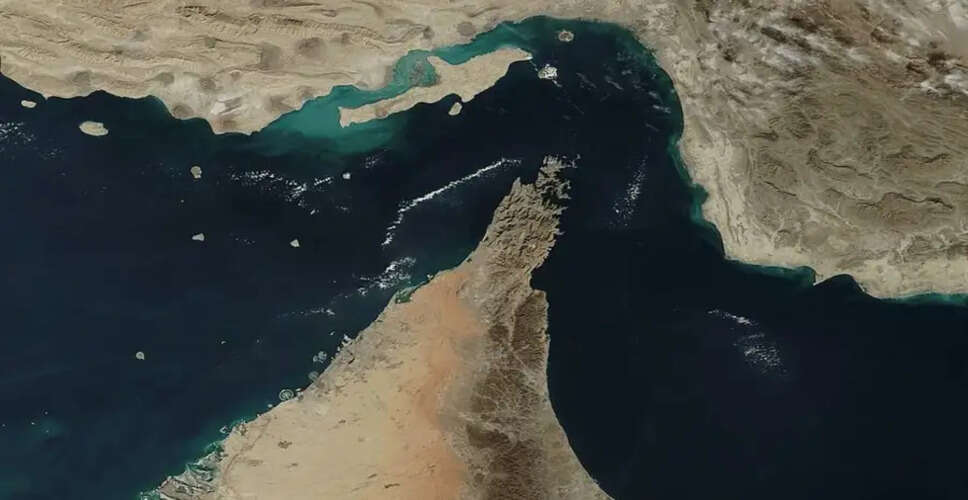

Iran's New Policy on Strait of Hormuz
Dubai: In a significant move, Iran has announced that it will allow commercial vessels from four nations, including India and China, to navigate freely through the Strait of Hormuz, as stated by a senior Iranian official. This decision comes amid ongoing assaults on ships attempting to traverse this vital maritime route.
Amir Hayat Moghadam, who serves as the Deputy Chairman of the Iranian Parliament's National Security and Foreign Policy Committee, shared this information during an interview with the Iranian Students' News Agency (ISNA) on Tuesday.
According to Moghadam, the countries exempted from transit restrictions are India, China, Iraq, and Qatar. He emphasized that vessels from these nations can now pass without interference from American forces.
The exemptions were reportedly made based on mutual interests and specific considerations. For instance, the allowance for Indian ships aims to facilitate the import of medicines, while the exemption for Chinese vessels is intended to garner political backing from Beijing.
The Strait of Hormuz is a crucial passage that connects the Persian Gulf to the Gulf of Oman, accounting for approximately 20% of the world's energy supply under normal circumstances.
However, shipping activities in this area have faced significant disruptions since February 28, following joint military operations by the US and Israel against Iran, which led to retaliatory actions.
In response to the US-Israeli airstrikes, Iran took steps to close the waterway, prompting the US to implement a naval blockade on Iranian ports weeks later.
Currently, Iran has imposed stringent restrictions on maritime traffic, permitting only a limited number of vessels to pass while others undergo inspections and may be required to pay transit fees.
Since the onset of the conflict in February, at least 15 Indian sailors have lost their lives in attacks on ships in the region. The most recent incident involved the death of an Indian sailor aboard the commercial vessel MSV Al Jusufi near Limah in Oman on Monday evening.
India has consistently advocated for a resolution to the conflict through dialogue and diplomacy, expressing deep concern over the ongoing attacks on commercial shipping in the area. The Indian government has called for an end to the targeting of commercial vessels and civilian infrastructure, emphasizing the need for safe and unobstructed navigation in accordance with international law.