
Iran Issues Stark Warning to US Amid Rising Tensions in the Middle East
Iran's Response to US Actions
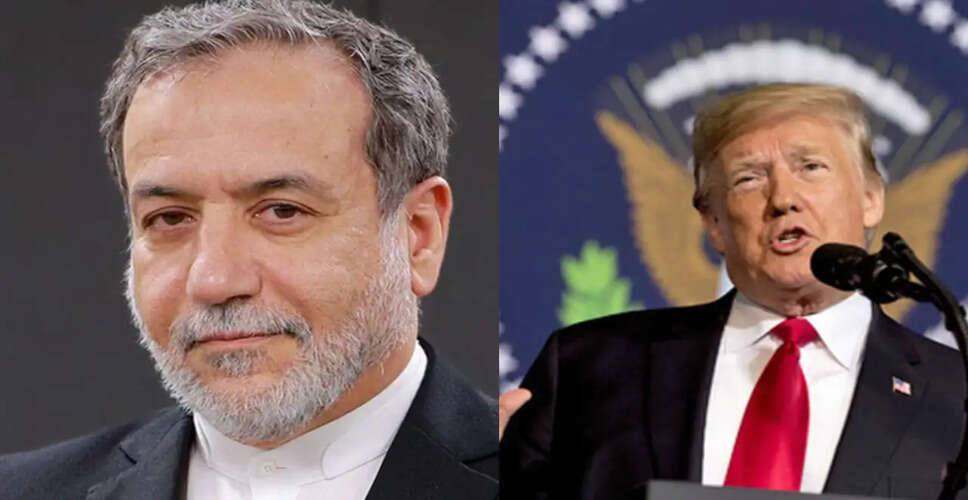
Iran has recently escalated its rhetoric towards the United States as tensions in the Middle East heighten. Foreign Minister Seyed Abbas Araghchi stated that Tehran is ready to retaliate against any threats to its oil or nuclear facilities. In a message posted on X, he referred to the recent US military actions as an 'epic mistake' and indicated that Iran is prepared for further escalation if its critical infrastructure is attacked. He noted, 'Nine days into Operation Epic Mistake, oil prices have surged while commodities are skyrocketing. We are aware that the US is plotting against our oil and nuclear sites to mitigate a significant inflationary shock. Iran is fully prepared, and we have many surprises in store,' Araghchi asserted.
9 days into Operation Epic Mistake, oil prices have doubled while all commodities are skyrocketing. We know the U.S. is plotting against our oil and nuclear sites in hopes of containing huge inflationary shock. Iran is fully prepared. And we, too, have many surprises in store. pic.twitter.com/UNQu0fVZE2
— Seyed Abbas Araghchi (@araghchi) March 9, 2026
These comments come as global oil prices have surged due to the ongoing conflict, which has now entered its second week. The war has unsettled energy markets and raised alarms regarding the safety of oil infrastructure and vital shipping routes in the region. On March 9, Brent crude oil prices briefly exceeded $120 per barrel before stabilizing around $102, crossing the $100 threshold amid concerns over potential supply disruptions.
Earlier that day, Iran launched missiles targeting Israel and several Gulf nations following the announcement of Mojtaba Khamenei as the new supreme leader after the passing of his father. This escalation occurred nine days after US-Israeli strikes resulted in the death of Ayatollah Ali Khamenei, igniting open conflict in the region. Iranian clerics have now selected the third supreme leader since the 1979 Islamic Revolution.
In response, Israel has conducted new strikes aimed at infrastructure in central Iran, contributing to a significant drop in global stock markets and a nearly 30 percent increase in crude prices due to fears of supply disruptions. Saudi Arabia reported intercepting drones targeting an eastern oil field, while the United Arab Emirates and Kuwait faced missile attacks, and Bahrain activated warning sirens.
Mojtaba Khamenei's appointment was made public on Iranian state television, where a statement from the 88-member Assembly of Experts was read alongside a portrait of the 56-year-old cleric. His rise to power follows weeks of Iranian security forces suppressing widespread anti-government protests that reportedly resulted in thousands of deaths. The younger Khamenei is perceived as a hardliner likely to maintain his father's strict stance against dissent.
Previously, US President Donald Trump had dismissed Mojtaba Khamenei as a 'lightweight' and asserted that Washington should influence Iran's next leader. 'If he doesn’t get approval from us, he’s not going to last long,' Trump stated in an interview before the leadership announcement. Additionally, Israel’s defense minister warned that the new supreme leader could become a 'target,' with military officials pledging to pursue any successor if hostilities persist.