
Iran Faces Uncertain Future After Supreme Leader's Assassination
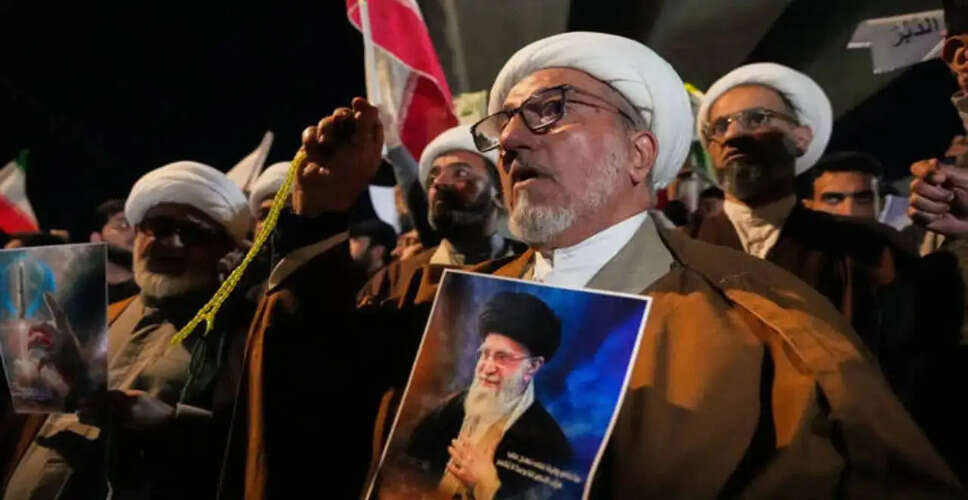
Iran's Critical Juncture Following Khamenei's Death
The Islamic Republic of Iran is at a pivotal moment following the assassination of its Supreme Leader, Ayatollah Ali Khamenei, who had been in power since 1989. The nation appears deeply divided in its reaction; while some citizens celebrated his death, others mourned. This situation marks one of the most critical challenges for the regime since the 1979 revolution. The future of the Islamic Republic hinges on three key questions: Will the protesters channel their anger into effective action for regime change? Can the government endure the loss of its most influential leader? Or will this power vacuum lead to greater chaos?
1. Can Protesters Overthrow the Government?
In recent months, Iranians have pushed the boundaries of dissent. Following the deadly protests in January, where the regime responded with lethal force, the recent celebrations after Khamenei's death saw the Basij militia intervening. A resident near Tehran, Arian, noted that the protesters quickly dispersed when armed militia members appeared. This indicates that the regime's security forces remain robust despite ongoing unrest. Ellie Geranmayeh from the European Council on Foreign Relations remarked that the violent suppression of protests suggests that any future unrest will likely be met with severe repression, especially under the current wartime conditions. Airstrikes have targeted Basij and intelligence sites, but Abdolrasool Divsallar from the Catholic University of Milan cautioned that these targets are complex and numerous, making sustained attacks challenging. While leaders like US President Donald Trump and Israeli Prime Minister Benjamin Netanyahu have encouraged Iranians to rise against their rulers, the question remains: how can an unarmed populace challenge a military regime? Analyst Farzan Sabet expressed uncertainty about the direction of potential changes within the system.
2. Will the Regime Endure or Transform?
In response to Khamenei's death, Iran's leadership has established a temporary council until a successor is elected by the Assembly of Experts. Alireza Arafi has been appointed as a jurist member of this council, which will assume the Supreme Leader's responsibilities until a new leader is chosen. Many citizens, like Payman, a businessman in Tehran, are not seeking profound changes but rather a return to normalcy in their daily lives. However, there is a risk that more hardline figures may emerge in leadership roles, which could contradict the public's desire for reform. The interim council's composition has raised concerns, particularly with the inclusion of hardliners like Ayatollah Alireza Arafi and judiciary chief Gholam-Hossein Mohseni-Eje'i. President Masoud Pezeshkian, viewed as moderate, has been marginalized. Additionally, General Ahmad Vahidi, known for his brutality, has been appointed to lead the Revolutionary Guards, raising fears of increased violence.
3. Could a Collapse Lead to Chaos?
If the Islamic Republic were to disintegrate, the implications would be significant. Iran, with a population of 90 million and borders with seven countries, is rife with ethnic, political, and ideological divisions. Armed groups, including Kurdish and Baluchi factions, are already active, and Kurdish officials in exile are contemplating renewed operations within Iran. The regime, however, is supported by a dedicated ideological base that could mobilize to defend it, potentially leading to further violent fragmentation. Ayatollah Naser Makarem Shirazi has called for jihad against Israel and the United States, as reported by Mehr news agency. Geranmayeh warned that a collapse could mirror the chaos seen in Iraq post-2003, suggesting that if the air campaign succeeds in toppling Iran's leadership, the country could face years of turmoil.