
Iran Executes Two Opposition Members Amid Rising Tensions
Recent Executions in Iran
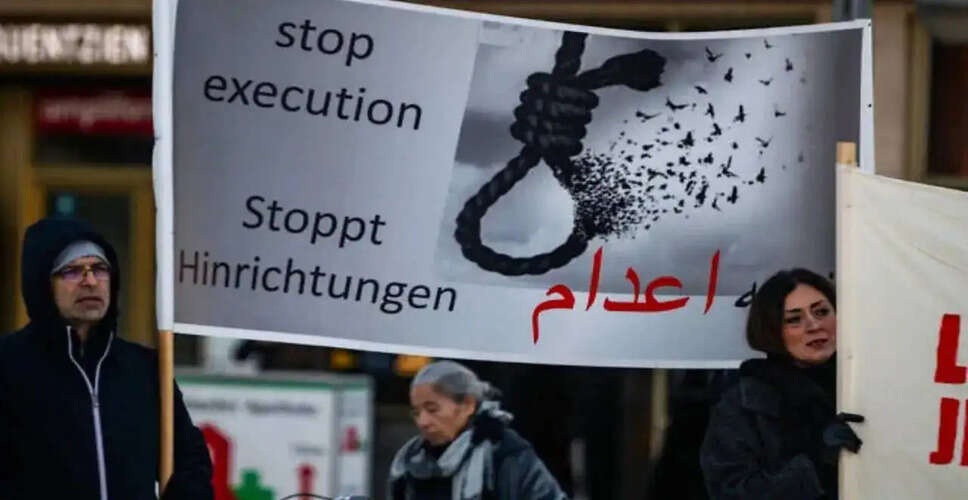
On Saturday, two men, Abolhassan Montazer, aged 66, and 33-year-old Vahid Baniamerian, were executed in Iran. Both were found guilty of being part of the People's Mojahedin Organization of Iran, an outlawed opposition group. Their executions followed closely on the heels of four other members of the same organization being put to death. The Iranian government classifies the People's Mojahedin Organization as a 'terrorist' entity. Montazer and Baniamerian had been detained since January 2024 and were sentenced to death for alleged "armed rebellion." State media referred to them as a "terrorist team of the enemy," a claim that the opposition group vehemently denied, asserting that the judicial proceedings against them lacked any legal foundation. Reports from various sources indicate that coerced confessions were utilized against the accused, with state media disseminating false claims to rationalize what has been described as politically motivated killings.
A Pattern of Suppression?
The hangings on Saturday were not isolated incidents. Just two days prior, 18-year-old musician Amirhossein Hatami was executed after being arrested during protests in Tehran that erupted due to widespread dissatisfaction with the economy. Official Iranian media has confirmed 12 executions this year, but human rights organizations, such as Hengaw, suggest the actual number could be as high as 160 since January. The People's Mojahedin Organization characterized the recent executions as desperate acts by a regime losing its grip on power amid ongoing uprisings, asserting that these actions are intended to eliminate organized dissent and instill fear in a populace that is increasingly resistant. They warned that such brutal measures would only strengthen the resolve of Iran's youth to challenge the regime.
Thousands Dead Since January Protests
The current surge in executions is linked to the anti-regime protests that began earlier this year, primarily fueled by economic hardship. The Islamic Revolutionary Guard Corps responded with severe crackdowns, resulting in over 3,000 fatalities. Many individuals arrested during these protests now face potential execution. Amnesty International has raised alarms about a series of planned hangings in the near future, indicating that those detained during the January protests are among those at risk.
What Comes Next
As Iran continues its conflict with the United States and grapples with internal unrest, the leadership appears to be tightening its control domestically. For families of those still detained from the January protests, the warnings from Amnesty International provide little reassurance and instead foster significant anxiety about the future.