
Iran Dismisses Pakistan's Mediation Claims Amid Rising Tensions
Iran Rejects Pakistan's Mediation Efforts
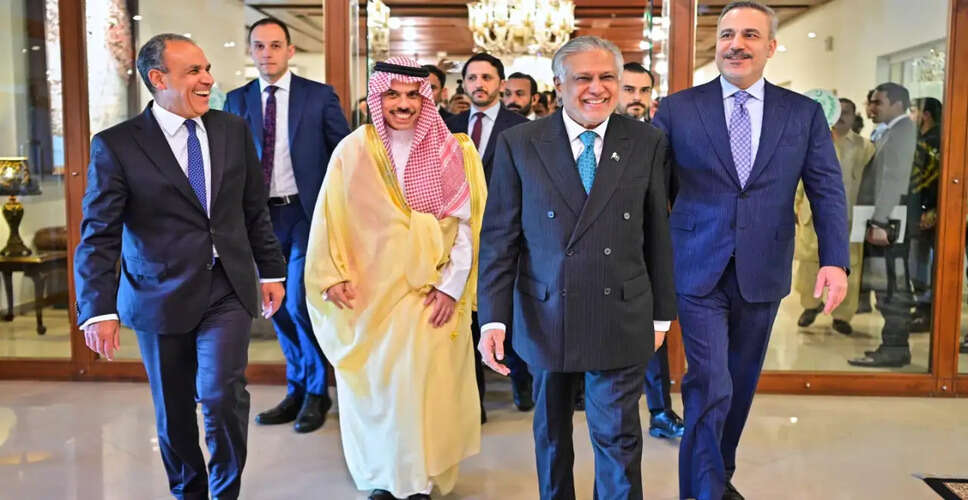
In a clear dismissal of Pakistan's attempts to position itself as a mediator, Iran has firmly stated that it is not involved in any negotiations facilitated by Islamabad. As tensions escalate in the region, Iran's foreign ministry spokesperson emphasized that there have been no direct discussions with the United States, accusing Washington of imposing unreasonable demands through intermediaries. The spokesperson further clarified that Iran has not participated in any diplomatic initiatives associated with Pakistan, asserting that such forums are independent and stating unequivocally: “We didn’t participate.” This statement follows a visit by the Foreign Ministers of Turkey, Saudi Arabia, and Egypt to Islamabad for discussions aimed at addressing the ongoing Iran-US conflict. Pakistan later announced that these diplomats had returned to their respective countries, with the talks initially planned to continue on Monday.
IRANinMumbai
2038546014282621373
Pakistan's Commitment to Facilitate Talks
Pakistan Offers to Host US-Iran Discussions
Foreign Minister Ishaq Dar expressed Pakistan's willingness to host and facilitate significant discussions between Iran and the US in the near future. Following the meeting of top diplomats from Turkey, Egypt, and Saudi Arabia in Islamabad, Dar stated, “Pakistan is pleased that both Iran and the US have shown confidence in our ability to facilitate these talks.” He reiterated the country's readiness to support meaningful dialogue between the two nations.
While US President Donald Trump did not specifically mention the potential talks in Pakistan, he indicated that discussions with Iran were ongoing and that progress was being made in negotiations. As the conflict in the Middle East marks its 30th day, the death toll has surpassed 3,000 since the war erupted on February 28, following US and Israeli strikes on Iran. This has led to retaliatory actions from Iran against US military assets and Israeli targets, further complicating the situation in the region. Additionally, Iran's control over the strategic Strait of Hormuz has raised concerns in global markets, given that 20% of the world's oil trade transits through this vital passage. Reports suggest that the involvement of Iranian-backed Houthi rebels in the conflict could also jeopardize shipping routes in the Bab el-Mandeb strait leading to the Red Sea.
(With inputs from various sources)