
Iran Dismisses New Talks with the U.S. Amid Rising Tensions
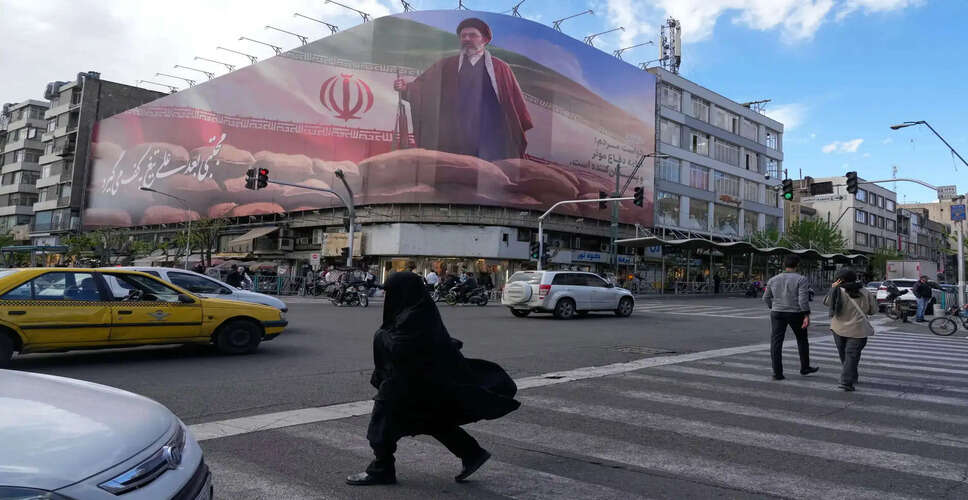

Iran's Stance on U.S. Negotiations
Iran has firmly stated that it will not engage in new discussions with the United States, according to reports from the country's state media. The semi-official Fars News Agency indicated on Saturday that negotiations are off the table unless the U.S. alters its current stance. A source close to Iran's negotiating team dismissed claims that Tehran was seeking dialogue, labeling such assertions as unfounded and aligned with pro-Israel agendas.
Following the funeral of Supreme Leader Ayatollah Ali Khamenei, U.S. President Donald Trump issued a warning to Iran, responding to public calls for his assassination. Trump stated on his platform that a thousand missiles are prepared and aimed at Iran, with many more ready to follow if the Iranian government acts on its threats.
These remarks came after U.S. officials insisted that Iran publicly declare the Strait of Hormuz open and assure that vessels traversing this crucial route would not face attacks. However, Tehran has refrained from making such a statement, asserting its control over the strait and its right to impose charges on ships passing through, challenging long-standing norms that regard the strait as an international waterway.
Recent days have seen a series of U.S. airstrikes targeting Iranian positions, which were met with retaliatory actions from Iran against various nations in the Middle East. These military actions were triggered by Iran's earlier attacks on three vessels in the strait.