
Iran Clarifies Strait of Hormuz Status Amid US-Israel Tensions
Iran's Assurance on Strait of Hormuz
In the midst of escalating tensions between the United States, Israel, and Iran in West Asia, a significant announcement has emerged. Iran has made it clear that the Strait of Hormuz is not entirely closed; rather, it is only restricted for vessels belonging to the US, Israel, and their allied nations. Ships from other countries, particularly friendly nations like India, are being allowed safe passage.
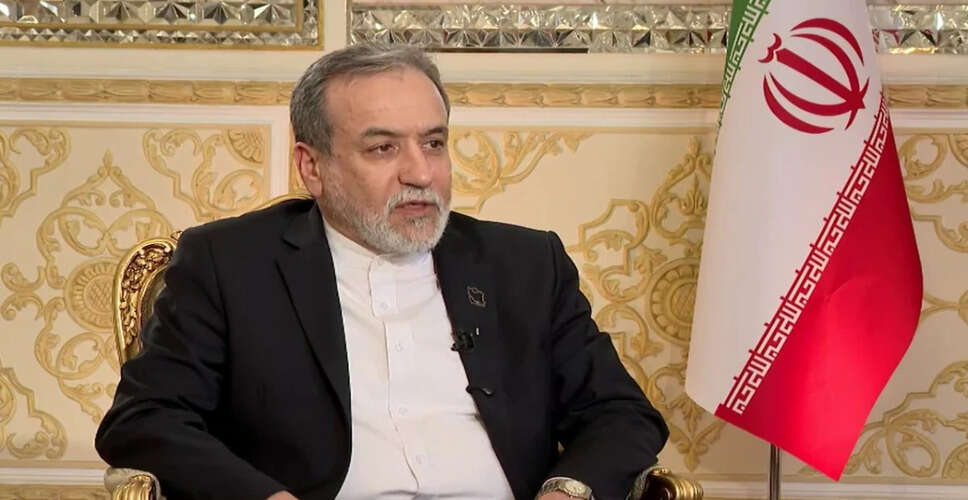
During an interview on Saturday, Iranian Foreign Minister Abbas Araghchi stated, "The Strait of Hormuz is open. It is only closed to our enemies – those who are attacking us – and their allied ships."
Impact on Global Oil Supply
This statement comes at a crucial time when approximately 20 percent of the world's oil and gas supply passes through the Strait of Hormuz. Following attacks by the US and Israel at the end of February, Iran had implemented strict monitoring and a partial blockade of this vital maritime route, leading to soaring global oil and gas prices and exacerbating the LPG crisis in import-dependent countries like India.
India's Diplomatic Success
Iran has extended special concessions to India, citing their long-standing historical and cultural ties. The Iranian ambassador to India, Mohammad Fatali, confirmed that "India is our friend, and we share mutual interests, which is why Indian vessels are being allowed safe passage through Hormuz." Additionally, Indian Ministry of External Affairs spokesperson Randhir Jaiswal reported that two Indian LPG tankers – Shivalik and Nanda Devi – successfully crossed Hormuz under the protection of the Indian Navy. These tankers are transporting significant quantities of liquefied petroleum gas (LPG) to the Mundra and Kandla ports, expected to arrive by March 16-17.
Ongoing Diplomatic Engagements
Recent discussions between Indian Foreign Minister S. Jaishankar and Iranian Foreign Minister Abbas Araghchi have focused on shipping security and India's energy needs. Sources indicate that these conversations have led to Iran informally guaranteeing safe passage for India. Currently, there are 22 Indian vessels (including 6 LPG carriers, 1 LNG, and 4 crude oil tankers) stranded west of Hormuz, for which India is seeking safe evacuation.
India's Energy Security Concerns
As the world's third-largest oil consumer, India imports nearly 40 percent of its crude oil through Hormuz. In response to the crisis, the government has made strategic adjustments, now sourcing 70 percent of its imports via alternative routes (such as from Africa and Russia). Officials assert that stocks of petrol, diesel, and aviation fuel are sufficient, but the pressure is highest on LPG, where dependency is significant. The arrival of these two tankers is expected to alleviate some domestic gas shortages, particularly in cities like Jaipur, where auto-rickshaws and household users have recently been affected.
Iran's Position and Global Implications
Iran has reiterated that the blockade is limited to "enemy countries." Foreign Minister Araghchi criticized the US, noting that Washington is now appealing to India to purchase Russian oil, despite previously attempting to prevent India from sourcing oil from Russia. Iran has warned of strict actions against US-Israel vessels.
Conclusion
This situation marks a significant diplomatic victory for Iran-India relations, demonstrating that historical ties can be beneficial even in times of crisis. However, the situation remains delicate, and any escalation could further impact the global energy market. The Indian government has reassured citizens that there is no need for panic, emphasizing the importance of increasing supply from alternative sources and managing stock levels. It is hoped that the remaining stranded vessels will also be safely evacuated soon, restoring normalcy to oil and gas supplies.