
Iran Capitalizes on Temporary Oil Export Opportunity Amid US Sanctions

Iran's Brief Oil Export Surge
This year, Iran experienced a unique opportunity that lasted about a month, during which it maximized its oil exports. Following a temporary lift of the US blockade on Iranian oil shipments, Tehran quickly flooded the market, exporting approximately 70 million barrels of crude oil valued at around $6 billion before the US reinstated its restrictions. The blockade had been in place for an extended period as part of the US's pressure strategy, but a temporary agreement was reached in mid-June, allowing Iran to resume exports. Almost immediately after the deal was finalized on June 17, tankers filled with oil from Iran's Chabahar port set sail for Asia, as reported by the Wall Street Journal. By late June, Iran had shipped about 50 million barrels to China, a volume comparable to its monthly pre-war exports to that nation.
However, this opportunity was short-lived. The US soon reimposed its blockade on the Strait of Hormuz, halting the flow of oil once again. Nevertheless, by that time, Iran had already secured a significant financial cushion. Jonathan Panikoff, a Middle East expert at the Atlantic Council, indicated that Iran's economy is currently facing its most challenging period since the 1979 revolution, making every dollar earned from oil crucial. He suggested that the Iranian regime would likely allocate these funds towards its own priorities, particularly its ongoing tensions with the US.
Gathering Tankers Off Malaysia
Tracking the Ships
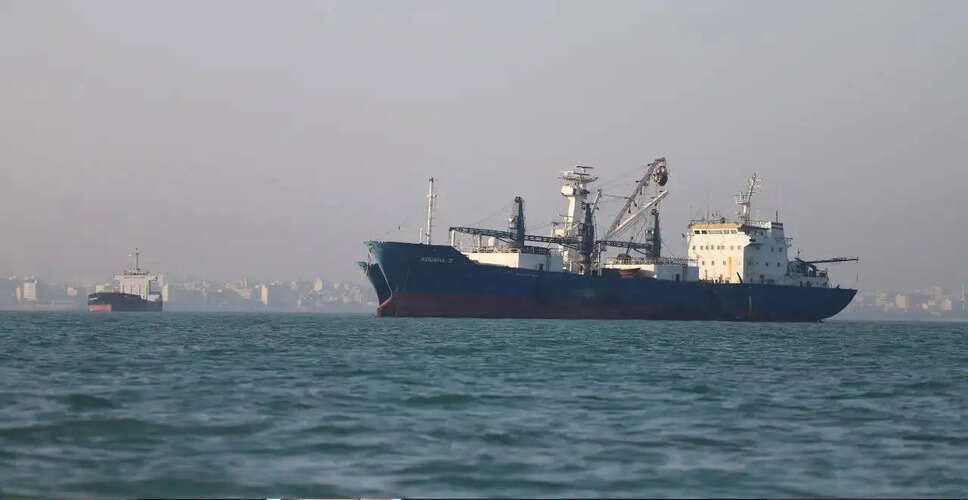
Evidence of this oil rush became apparent in the waters off Malaysia's eastern coast. Starting in late June, around 20 Iranian tankers began to congregate there, filled with crude oil. The Diona was the first to arrive, followed by the Hero II and the Sonia 1, with the Stream joining on July 13. Analysts noted that the oil on these vessels is primarily intended for Chinese buyers.
Iran's Evasive Tactics
The Method Iran Uses to Avoid Detection
This approach is not new for Iran. The nation has employed a consistent strategy for years to transport its oil while evading US sanctions. Tankers carrying Iranian crude navigate to a location known as the Eastern Outer Port Limits, situated just outside Malaysian territorial waters, approximately halfway between Iran and China. Once there, the oil is transferred at sea from one ship to another using large hoses. The receiving tankers typically proceed to small independent refineries in China, often referred to as teapot refineries, which purchase Iranian crude at discounted rates. This offshore transfer makes it significantly more challenging for US regulators to trace and impose penalties.
Future Implications
What Analysts Are Watching Now
According to United Against Nuclear Iran, a US-based advocacy organization, along with independent oil analysts, the total oil exported during this brief window is estimated at 70 million barrels, valued between $5 billion and $6 billion. Charlie Brown, an analyst based in Singapore, remarked that had the blockade remained in effect, Iran would likely be facing severe economic difficulties at this moment. Instead, the country acted swiftly enough to establish a financial buffer before the restrictions were reinstated. Analysts predict that the effects of this oil export surge will continue, as the influx of tankers into Asian waters in July suggests that Iran will keep generating substantial oil revenue in the upcoming months, despite the renewed blockade.