
Iran Appoints Alireza Arafi to Interim Leadership Council Following Khamenei's Death
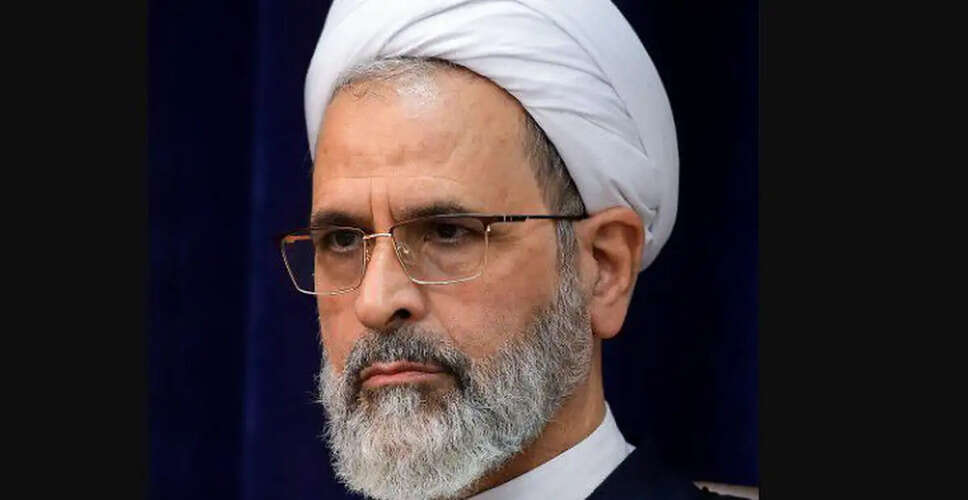
New Leadership in Iran After Supreme Leader's Assassination
In the wake of the assassination of Supreme Leader Ayatollah Ali Khamenei during a coordinated military operation by the United States and Israel, senior cleric Alireza Arafi has been appointed to the interim leadership council of Iran. This information was reported by a state-affiliated news agency.
Arafi will serve as the jurist member of this temporary council, which is tasked with fulfilling the Supreme Leader's responsibilities until a new leader is chosen according to Iran's constitutional procedures.
The interim council is composed of President Masoud Pezeshkian, Chief Justice Gholam-Hossein Mohseni-Ejei, and a cleric from the Guardian Council.
This body will manage the country during the transition until the Assembly of Experts elects a permanent leader.
Arafi, who is also the deputy chairman of the Assembly of Experts and a member of the Guardian Council, oversees Iran's seminary system.
Iran's Response to Khamenei's Assassination
President Pezeshkian condemned Khamenei's killing, labeling it a "declaration of war against Muslims," as reported by state television.
He emphasized that the assassination of such a significant political figure in the Islamic Republic is viewed as an open declaration of war against Muslims, particularly Shias globally.
Pezeshkian asserted that avenging Khamenei's death is Iran's "legitimate duty and right." Khamenei, who was 86, had been the supreme leader since 1989, wielding control over all government branches and the military.
On Saturday, the US and Israel executed a joint operation aimed at the Iranian regime, citing the need to eliminate existential threats to Israel. Iran responded to these attacks, claiming that the operation commenced while nuclear negotiations were ongoing.
Israel has expressed concerns that Iran is nearing the capability to develop a nuclear weapon, which could significantly disrupt regional security dynamics.
Despite these tensions, Iran has consistently maintained that its nuclear program is intended for peaceful purposes. However, with a significant US military presence near its waters in recent months, Tehran has been compelled to re-engage in discussions with Washington regarding its nuclear ambitions.