
Iran Announces Limited Safe Passage Through Strait of Hormuz Following Ceasefire
Iran's Conditional Safe Passage Agreement
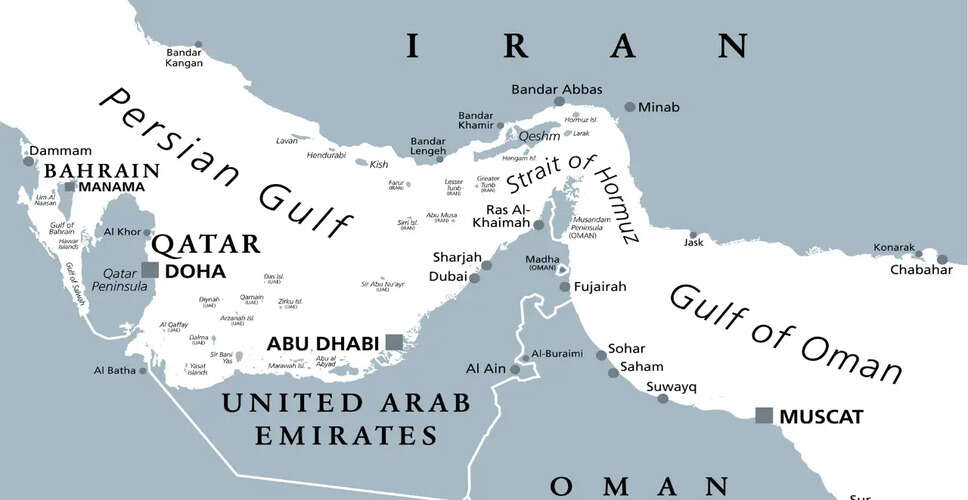
Iran has declared that it will permit safe passage through the Strait of Hormuz for a specified duration, contingent upon a ceasefire agreement with the United States. Iranian Foreign Minister Seyed Abbas Araghchi announced that for the next two weeks, vessels can navigate the Strait with the coordination of Iran's armed forces, taking into account certain technical constraints.
He further noted that if hostilities against Iran cease, the nation’s military will halt its defensive actions. This announcement is part of a broader statement from Iran’s Supreme National Security Council, which highlighted that regulated transit through this crucial waterway will occur under the oversight of Iranian military forces. The council asserted that this arrangement would enhance Iran's economic and geopolitical influence.
This development follows a ceasefire declared by Donald Trump, who agreed to suspend military operations provided that Iran reopens the vital Strait of Hormuz. A representative from the White House confirmed that Israel has also agreed to the ceasefire and will suspend its bombing activities during this timeframe.
Iran views this outcome as a significant achievement. The Supreme National Security Council described it as a 'great victory,' compelling the United States to accept its ten-point plan as a foundation for future negotiations. Araghchi expressed appreciation to Shehbaz Sharif and Pakistan’s Army Chief Asim Munir for their efforts in advocating for the ceasefire, which was initially suggested by Pakistan to facilitate diplomatic discussions between Washington and Tehran.
The upcoming two-week period is anticipated to be a pivotal phase for negotiations, as both parties aim to reach a more comprehensive agreement while ensuring controlled access through one of the globe's most essential energy routes.