
Iran and Oman Discuss Maritime Fee System Amid Tensions
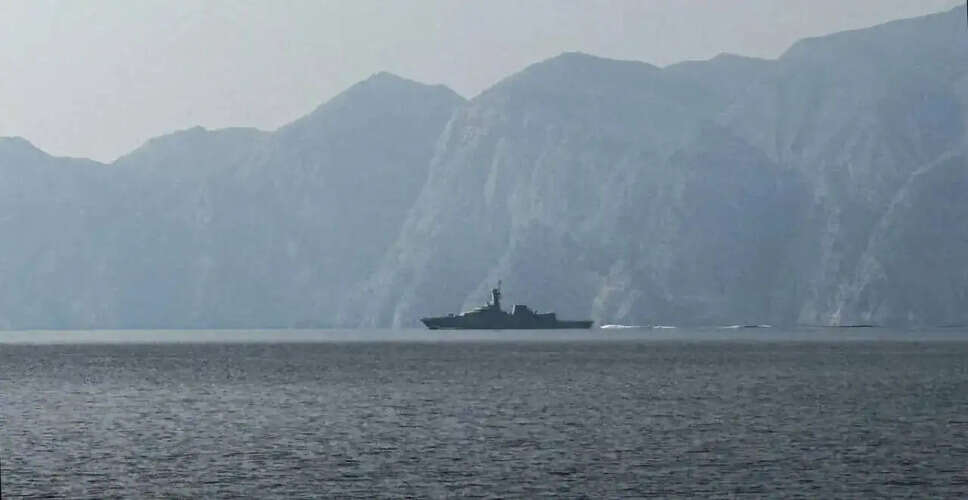

Iran-Oman Maritime Fee Negotiations
Iran is currently in talks with Oman, a nation allied with the United States, regarding the establishment of a joint system that would impose fees on vessels navigating through the Strait of Hormuz. Sources familiar with the discussions indicate that a comprehensive agreement between the US and Iran to resolve the ongoing conflict, which has significantly impacted global energy markets and shipping routes, remains elusive.
A Multi-Tiered System Iran has initiated a new framework for managing maritime traffic in the strait, which includes a designated route and the requirement for permits from its newly established Persian Gulf Strait Authority. The proposed collaboration with Oman would allow vessels to incur charges for “specialized services” instead of a direct transit fee. Iranian officials have characterized these fees as covering services like security, navigation, or environmental management. Critics, however, argue that these charges could effectively act as tolls, potentially breaching international maritime law. Initially hesitant, Oman is now reportedly considering the partnership in exchange for a share of the revenue. Iranian representatives claim that Oman has offered to leverage its influence with other Gulf nations and the US to facilitate the initiative.
US Warnings and Legal Concerns The previous US administration has consistently cautioned against any Iranian proposals for payment to transit the strait, labeling such actions as unacceptable and a possible hindrance to diplomatic negotiations. President Trump stated, “We want it free. We don’t want tolls. It’s international. It’s an international waterway.” Secretary of State Marco Rubio supported this viewpoint, asserting that any toll system “can’t happen” and would render a deal “unfeasible.” According to international law, particularly the United Nations Convention on the Law of the Sea, vessels are entitled to pass through international straits without incurring fees, provided they adhere to safety and pollution regulations. Although Iran is not a signatory to this convention, legal experts maintain that these principles are regarded as customary international law binding on all nations. While charging reasonable fees for actual services (like waste disposal) may be permissible, imposing charges solely for passage would likely be deemed illegal.
Fragile Ceasefire and Broader Impact These discussions occur against the backdrop of a tenuous ceasefire between the US and Iran that has lasted for a month but is showing signs of strain. Since the onset of the conflict, Iran has largely obstructed commercial traffic through the Strait of Hormuz, a move that has escalated global energy prices and created significant maritime congestion. In response, the US has implemented its own blockade on Iranian ports and redirected numerous commercial vessels. Pakistan continues to play a crucial mediating role, with its interior minister making several visits to Tehran this week. However, significant challenges remain, particularly concerning Iran’s nuclear ambitions and long-term control over the strait. This situation is evolving as diplomatic efforts persist and both parties evaluate their next steps in the ongoing conflict.