
Investigation Update: Twisha Sharma's Husband in Custody Amid Ongoing Inquiry
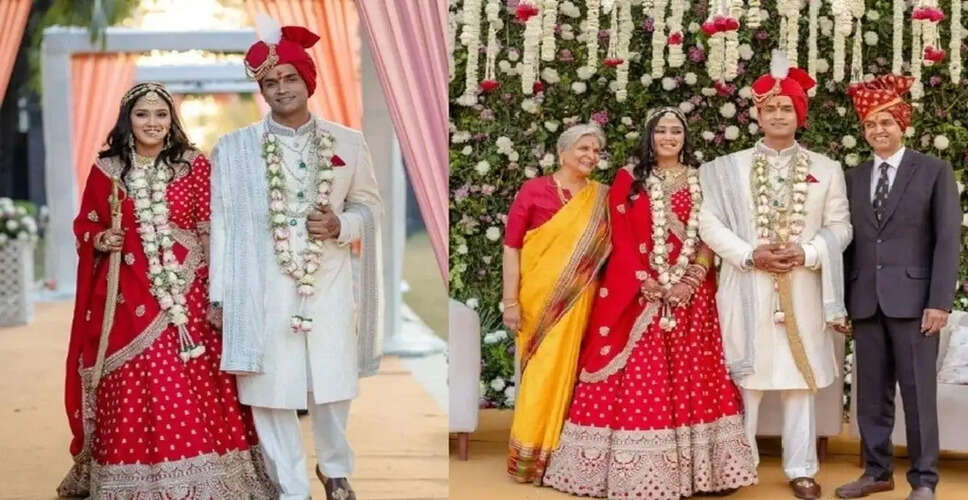

Police Provide Update on Twisha Sharma's Death Investigation
In connection with the ongoing investigation into Twisha Sharma's death, the Bhopal police held a detailed press conference outlining the next steps in the case. Police Commissioner Sanjay Kumar confirmed that Twisha's husband, Samarth Singh, has been taken into custody, and the police will seek a seven-day remand for further questioning. Addressing the media, the commissioner stated that Samarth would undergo a medical examination before being presented in court. He mentioned that the police aim to conduct an in-depth inquiry regarding the circumstances surrounding Twisha's death during this remand period.
According to police reports, Samarth had attempted to surrender at a court in Jabalpur, but before the process could proceed, a team from Bhopal police, with assistance from Jabalpur police, apprehended him. Authorities also warned that anyone who allegedly assisted or sheltered him during his days of being missing could face legal action.
Second Autopsy to Be Conducted at AIIMS Bhopal
Commissioner Sanjay Kumar announced that a medical team from AIIMS Delhi will conduct a second autopsy at AIIMS Bhopal. This decision follows concerns raised by Twisha's family regarding the initial autopsy report and allegations of irregularities in the preliminary investigation. The commissioner addressed the controversy surrounding Twisha's height mentioned in the previous report, describing it as a minor issue in the broader investigation.
Police Attempting to Question Twisha's Mother-in-Law
The commissioner further revealed that the police are trying to question Twisha's mother-in-law, Giribala Singh, and have already sent her three notices. However, Giribala Singh claimed that the police had not contacted her directly to record her statement and expressed her willingness to cooperate with investigators. The Madhya Pradesh High Court has already issued notices concerning the anticipatory bail previously granted by the lower court.