
Investigation Launched After Six Children Test Positive for HIV in Madhya Pradesh
HIV Cases Linked to Blood Transfusions
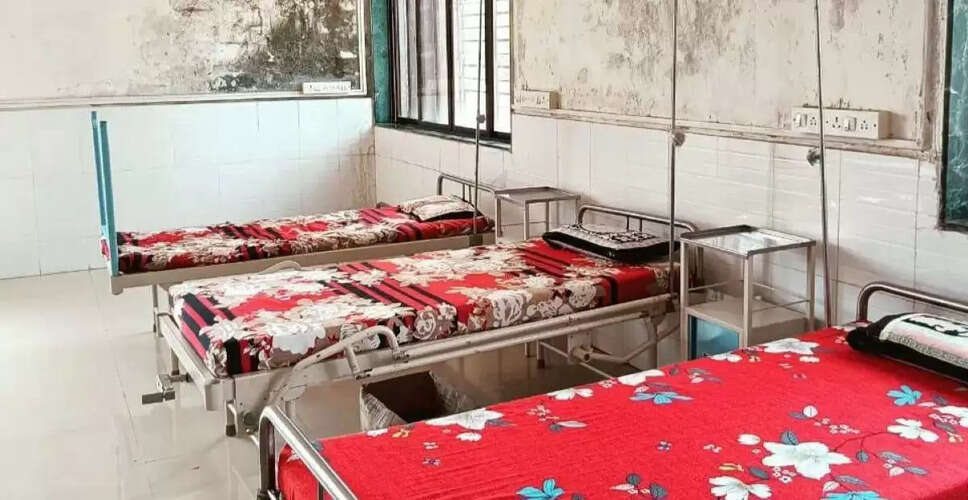
In Madhya Pradesh's Satna district, six children diagnosed with thalassemia and receiving blood transfusions at a local hospital have tested positive for the human immunodeficiency virus (HIV), as reported by officials on Tuesday.
The affected children, aged between three and 15 years, were found to be HIV-positive between January and May, but the situation only became public knowledge recently.
According to unnamed officials, all but one case of infection stemmed from contaminated blood transfusions. In one instance, the parents of a child were also confirmed to be HIV-positive, as stated by Satna Collector Satish Kumar S.
In response to this alarming situation, the state government has established a committee to investigate the circumstances surrounding these infections, with a report expected within a week.
Deputy Chief Minister Rajendra Shukla, who oversees health matters, indicated that the investigation will determine whether the transfusions occurred solely at the government hospital or at other facilities as well.
The investigative panel is led by Satya Avadhiya, the regional director of the Public Health and Medical Education Department’s Rewa division, and includes various health experts from the State Blood Transfusion Council and other medical institutions.
Manoj Shukla, the civil surgeon and chief medical officer at the district hospital, noted that thalassemia patients are particularly vulnerable to HIV due to their frequent need for blood transfusions. He assured that the children have begun treatment and are currently stable.
Shukla also mentioned that the infection could have originated from not only blood transfusions but also through intravenous injections or the use of unsterilized syringes. He emphasized that the hospital's blood bank adheres to all safety protocols, ensuring that blood is only issued after thorough testing for various diseases.
However, he cautioned that infections might go undetected if a donor is in the early stages of infection, as tests may not reveal the virus until several months later.
This incident follows a similar case in Jharkhand, where five thalassemia patients tested positive for HIV after receiving blood from a local hospital, prompting an investigation by a medical team.
Blood Transfusion Safety Protocols
Blood banks are required to comply with guidelines from the National AIDS Control Organisation, which mandates that each blood donation undergoes screening for HIV and hepatitis. The Elisa test is commonly employed for this purpose.
However, if a donor has recently contracted HIV or hepatitis, their body may not have produced sufficient antibodies for detection during screening. The Elisa test can only identify antibodies 45 days post-infection, while a more sensitive nucleic acid amplification test can reduce this window to 10-15 days, though it cannot completely eliminate the risk of missed infections.
Experts highlight that many transfusion-related infections occur due to the failure of tests to detect infections or the absence of testing altogether.