
Intensified Security Measures in Puerto Vallarta Following Cartel Leader's Death
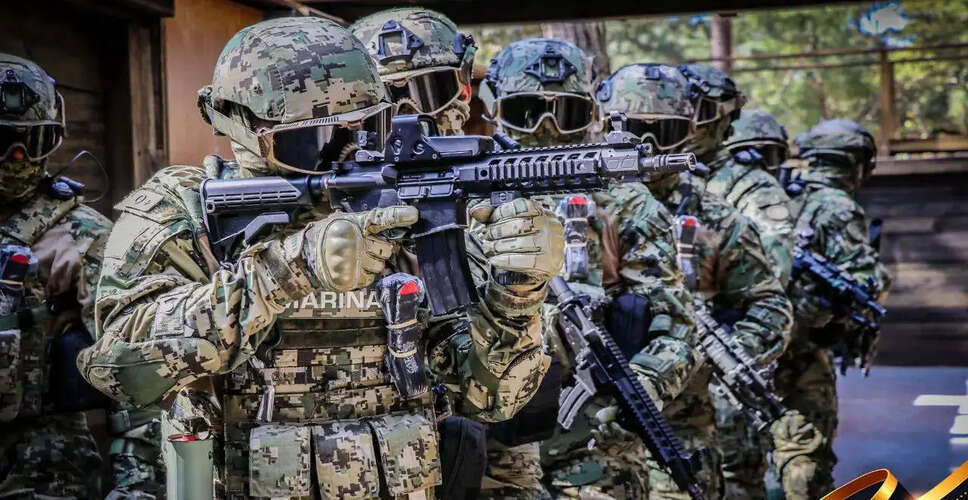
Increased Military Presence in Puerto Vallarta
The Mexican government has initiated a comprehensive security operation in Puerto Vallarta after the reported death of Nemesio Oseguera Cervantes, commonly known as “El Mencho,” the notorious head of the Jalisco New Generation Cartel (CJNG). Following the confirmation of his death during a military operation in Tapalpa, naval ships, tactical aircraft, and hundreds of marines were deployed to secure the popular Pacific resort city and its surroundings. Puerto Vallarta, a key tourist destination, experienced an unprecedented military presence, with the Mexican Navy's patrol vessel ARM Usumacinta stationed in the harbor and heavily armed marines setting up checkpoints on major roads, hotel areas, and routes leading to the airport. Armored vehicles were also seen patrolling near the Marina Vallarta area and the cruise terminal, indicating a federal effort to prevent any cartel retaliation in tourist-frequented areas.
🇲🇽The Mexican Navy is now officially in Puerto Vallarta. A city known for margaritas on the beach now has warships and military patrols.The World Cup is four months away.Good luck selling that vacation package😂pic.twitter.com/0cCXFtllhs https://t.co/g3nPs8Gr9J
— Mario Nawfal (@MarioNawfal) February 24, 2026
Details of the Operation in Tapalpa
High-Profile Strike In Tapalpa
Federal security sources indicate that the operation leading to El Mencho’s demise occurred in the rugged terrain of Tapalpa, a region historically used by CJNG for logistical purposes. The offensive involved special operations units, supported by aerial reconnaissance and rapid-response ground teams. Although Mexican authorities have not yet provided a complete operational briefing, initial reports suggest that the confrontation was fierce, resulting in multiple armed suspects being neutralized during the raid. El Mencho, who had managed to evade capture for over a decade, was one of the most wanted traffickers in the Western Hemisphere, transforming CJNG into one of Mexico’s most violent and expansive criminal organizations. His removal represents a significant blow to organized crime in Mexico, comparable to the takedown of other high-ranking cartel leaders in previous administrations.
🇲🇽 The warship Usumacinta just docked in Puerto Vallarta with 400 military personnel and operational vehicles. The Air Force has deployed tactical aircraft. This is what it takes to secure a beach town from a single cartel.pic.twitter.com/i5qPiGIp6K https://t.co/nfdSI2pRPg
— Mario Nawfal (@MarioNawfal) February 24, 2026
Implications for Puerto Vallarta's Tourism
Securing A Strategic Tourism Hub
The federal response in Puerto Vallarta is not only a tactical necessity but also carries significant economic and political implications. The city is a crucial part of Jalisco’s tourism industry, attracting millions of visitors from North America and Europe each year. With Mexico set to co-host the 2026 FIFA World Cup alongside the United States and Canada, authorities are particularly concerned that images of unrest in tourist areas could have far-reaching consequences. Airlines have temporarily suspended certain routes to Puerto Vallarta International Airport due to security concerns, and local officials have advised residents in specific districts to stay indoors as patrols intensified. Cruise operators are also reviewing their port calls as a precaution, although maritime authorities have assured that the harbor remains secure under naval oversight.
Future Security Challenges
Senior officials have stressed that the military deployment is a proactive measure rather than a reaction to panic. By stationing marines in visible locations across hotel zones and transport hubs, the government aims to deter potential retaliatory attacks, reassure foreign missions, and ensure the continuity of commercial activities. Federal and state forces have established joint command centers to enhance intelligence, surveillance, and rapid-response capabilities throughout Jalisco. However, analysts caution that the long-term security situation may become more complicated. CJNG’s leadership structure, while heavily reliant on El Mencho, includes regional lieutenants who can mobilize armed factions independently. A power struggle within the cartel or attempts by rival groups to seize territory could lead to prolonged instability. Observers note that cartel fragmentation has historically resulted in short-term spikes in violence before a new equilibrium is established.
Currently, Puerto Vallarta is under close surveillance. Naval patrol boats are monitoring coastal approaches, ground units are conducting inspections, and aerial surveillance is active across key transit routes. The federal government’s rapid deployment of force to this high-profile resort city highlights the seriousness of El Mencho’s removal and the authorities’ commitment to preventing symbolic retaliation in one of Mexico’s most prominent urban centers. Whether the death of this notorious crime boss will ultimately weaken CJNG or trigger a new phase of violent reorganization will depend on how effectively federal forces maintain pressure in the coming weeks. What is clear is that the immediate aftermath has transformed Puerto Vallarta from a sun-soaked tourist destination into a frontline in Mexico’s ongoing battle against organized crime.