
Intense US-Israel Strikes on Iran: Operation Epic Fury Unleashed
Major Strikes on Iran
On Saturday, the United States and Israel executed significant coordinated military strikes against Iran, targeting more than 30 key locations. This operation reportedly resulted in the death of Iran's supreme leader, Ayatollah Ali Khamenei. The US designated the mission as “Operation Epic Fury,” while Israel referred to it as “Lion’s Roar.” These strikes occurred amid escalating tensions regarding Tehran's nuclear ambitions and ongoing disputes between the nations.
In retaliation, Iran launched a series of missile and drone attacks aimed at US military installations and allied nations throughout the Middle East, including Bahrain, Kuwait, the UAE, Qatar, Saudi Arabia, and Jordan. Although many of these attacks were intercepted, regional governments heightened their alert levels, and military forces mobilized to safeguard critical sites.
CENTCOM
2028196633230348358
On Sunday, the United States Central Command provided a comprehensive overview on X, detailing the extent of American military assets deployed during the initial 24 hours of Operation Epic Fury. The command highlighted a wide array of aircraft, missile systems, naval vessels, and surveillance tools, including “special capabilities” that remain undisclosed.
US Military Assets Deployed
What Military Assets Did US Deploy?
CENTCOM reported that the US utilized B-2 stealth bombers, F-35 fighters, and A-10 attack jets, along with F-18s, F-16s, and F-22s in successive waves. The defense shield protecting US positions was primarily composed of Patriot interceptor systems and THAAD anti-ballistic missile units. Additionally, EA-18G electronic attack aircraft, airborne early-warning planes, and communication relay aircraft were part of the operation. Drones such as MQ-9 Reapers and LUCAS-series systems were also deployed for surveillance and strike missions.
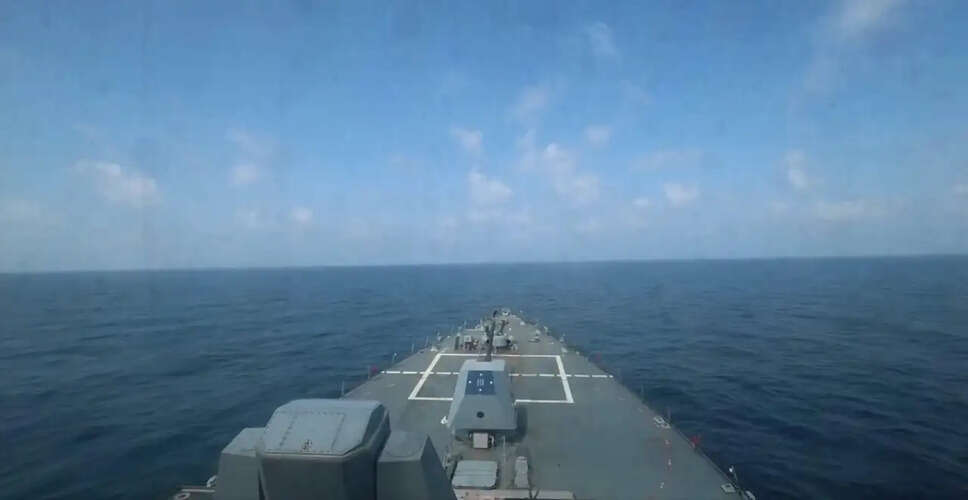
The US Navy played a crucial role by contributing nuclear-powered aircraft carriers and guided-missile destroyers to facilitate long-range operations. Refueling tankers and ships ensured that aircraft could remain airborne for extended periods. Cargo aircraft, including C-17 Globemaster and C-130 planes, were responsible for transporting equipment, ammunition, and personnel. The report also mentioned the use of counter-drone systems and artillery units like M-142 HIMARS.
Iran's Response to the Strikes
How Did Iran Respond Across Region?
In response, Iran launched a significant number of drones and missiles targeting both Israeli cities and US military bases. Many of these projectiles were intercepted by US and Israeli defense systems, while some landed in open areas or struck military outposts across various Gulf and Arab nations. In light of these developments, regional governments activated emergency protocols and reassessed the security of US facilities.