
Intense Congressional Hearing Highlights Concerns Over Iran War Leadership

Political Tensions Emerge in Washington
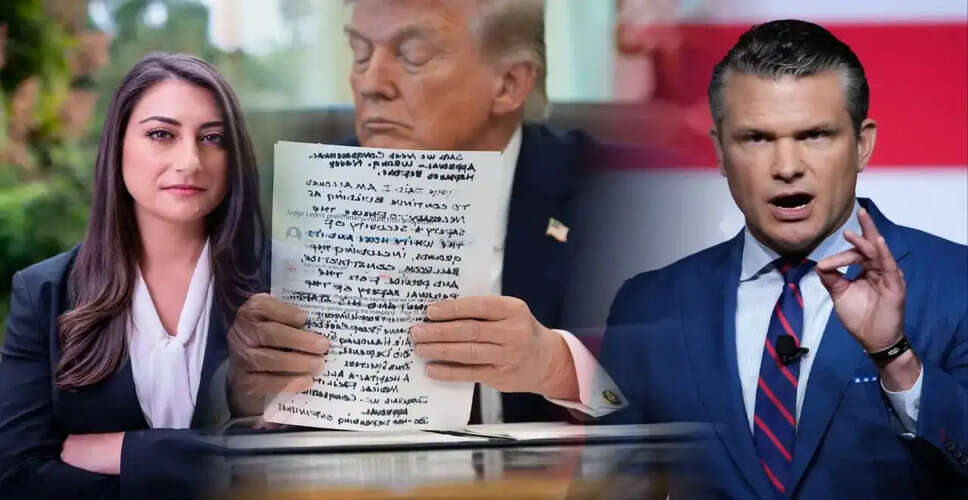
A heated exchange in Washington has exposed the underlying political and strategic tensions related to the ongoing conflict in Iran. During a congressional hearing, Congresswoman Sara Jacobs directly challenged President Donald Trump’s mental fitness, questioning his capability to lead amidst the war. This confrontation with Defence Secretary Pete Hegseth was grounded in the realities of troop deployments, particularly highlighting that 2,500 Marines from San Diego are currently stationed off the coast of Iran. Jacobs emphasized the urgency of the situation, noting that many military families have received short-notice deployment orders.
For Jacobs, the matter transcended partisan politics; it was about accountability during wartime. She expressed, “This war in Iran is not theoretical for me or for my constituents. It’s deeply personal.”
Concerns Over Presidential Stability
‘Is The President Mentally Stable?’
The hearing took a dramatic turn when Jacobs raised alarms regarding Trump’s recent remarks, quoting his own statements back to him. She referenced a post where he threatened Iran, saying, “Open the… strait… or you’ll be living in hell. Just watch.” She also cited another concerning comment: “A whole civilization will die tonight… I don’t want that to happen, but it probably will.” Jacobs argued that such statements have caused distress among military families, stating, “My office’s phones have been ringing off the hook.” She then posed a direct question: “Do you believe that the president is mentally stable enough to be the commander-in-chief?”
Hegseth avoided addressing the question directly, instead countering, “Did you ask the same question of Joe Biden for four years?” Jacobs quickly responded, “Joe Biden is not the president… I’m asking you right now.” The exchange became increasingly contentious, reflecting the high stakes involved.
Defensive Maneuvers and Escalation
Deflection, Counterattack And Escalation
Hegseth defended Trump, labeling him “the most insightful commander-in-chief we’ve had in generations,” while criticizing the previous administration. He dismissed Jacobs’ inquiries as inappropriate, stating he would not engage with the disparagement directed at the president. However, Jacobs broadened her argument, emphasizing that criticism of Trump has come from various political factions, including conservative voices. Her primary concern remained how to reassure military families amid what she described as erratic leadership signals.
“How do I explain to my constituents that… their commander-in-chief is posting these unhinged posts?” she questioned. Hegseth again sidestepped the issue, redirecting the conversation to foreign policy grievances under Biden, leading to a combative exchange with both sides vying for speaking time.
Questioning War Outcomes
War Outcomes Under Question
Jacobs shifted the focus from rhetoric to tangible results, challenging the administration’s narrative of success in the war. She pointed out, “Thirteen American troops have died. More than 380 have been wounded,” and noted that the Strait of Hormuz remains disrupted while “the Iranian regime is still in power… it still has nuclear material.” She provocatively stated, “If you think that this is what winning looks like, then maybe we should be questioning your mental stability.” Jacobs suggested that accountability should extend to the defense leadership, implying that Hegseth might be responsible for the current failures.
Hegseth did not directly address these claims, maintaining his defense of Trump’s leadership and mission focus.
Significant Implications
Strategic And Political Fallout
The exchange concluded without resolution, but its implications are profound. It highlights a growing divide in Washington regarding the conduct of the Iran war and the credibility of leadership at the highest levels. With U.S. forces deployed in a volatile region and ongoing maritime tensions in the Strait of Hormuz, such public confrontations indicate increasing domestic scrutiny. The intersection of battlefield realities, political accountability, and perceptions of leadership is becoming increasingly complex.
Currently, the questions raised during this hearing—concerning strategy, costs, and command judgment—remain unresolved and are unlikely to dissipate in the near future.