
Insights into the Surgical Strike: A Former Commander's Revelations

Revelations from the Surgical Strike
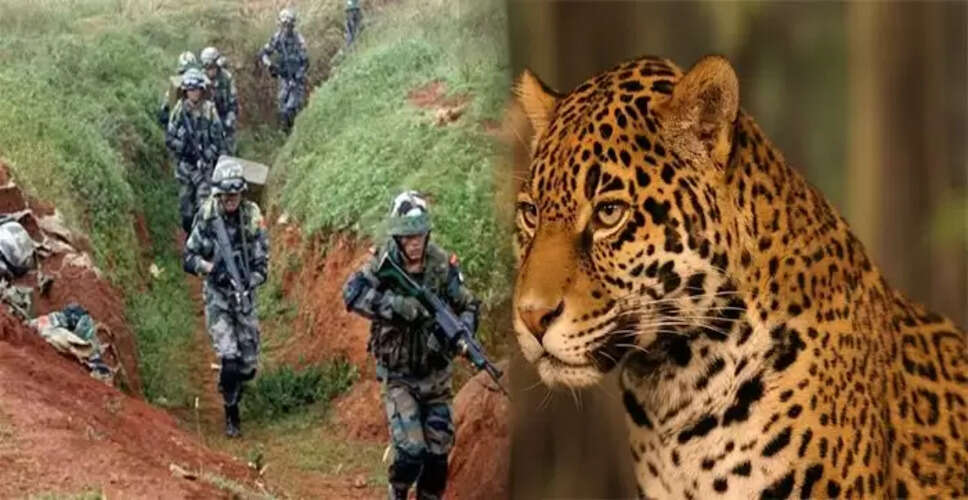
The surgical strike conducted by the Indian Army on the night of September 28-29, 2016, is widely known. Recently, a video surfaced regarding this event, and now, another intriguing story has emerged. Former Nagrota Corps Commander, Lieutenant General Rajendra Nimborkar, shared this account during a ceremony honoring him at the Thore Baji Rao Peshwa Foundation in Pune.
Using Leopards to Calm Dogs:
Nimborkar recounted how, after penetrating 15 kilometers into Pakistani territory, they utilized leopard feces to keep dogs quiet. He explained that he had a solid understanding of geology and animal behavior, and the army had conducted reconnaissance of the area prior to the surgical strike. They also thoroughly studied the local biodiversity. One of the significant threats during the surgical strike was the dogs, as the army believed they could alert the Pakistani soldiers and terrorists.
He noted that the army was aware that dogs might start barking and potentially attack as they passed through villages on their way to the target. To address this issue, their troops carried leopard feces, which was sprinkled outside the villages. This tactic proved effective, as leopards often prey on dogs, causing them to flee upon detecting the scent.
Nimborkar emphasized that the operation was kept highly confidential. While his troops were informed about the surgical strike, they were not given details about the location until the day before.
It is important to note that on September 18-19, 2016, terrorists attacked the Uri base camp, resulting in the martyrdom of 19 Indian soldiers. This incident prompted the Indian Army to execute the surgical strike on the night of September 28-29, 2016. Prior to the attack, intelligence agencies had been monitoring the terrorists' launch pads for a week, with both RAW and military intelligence closely observing every movement.
Informing PM Modi about the Operation:
The army targeted a total of six camps for the attack, successfully destroying three of them. Reports indicate that two Pakistani soldiers were also killed during this operation, and it is estimated that around 50 terrorists were neutralized as a result of the surgical strike.