
Insights from Operation Epic Fury: A Look at Military Logistics and Ceasefire Challenges

Operation Epic Fury: A Unique Perspective
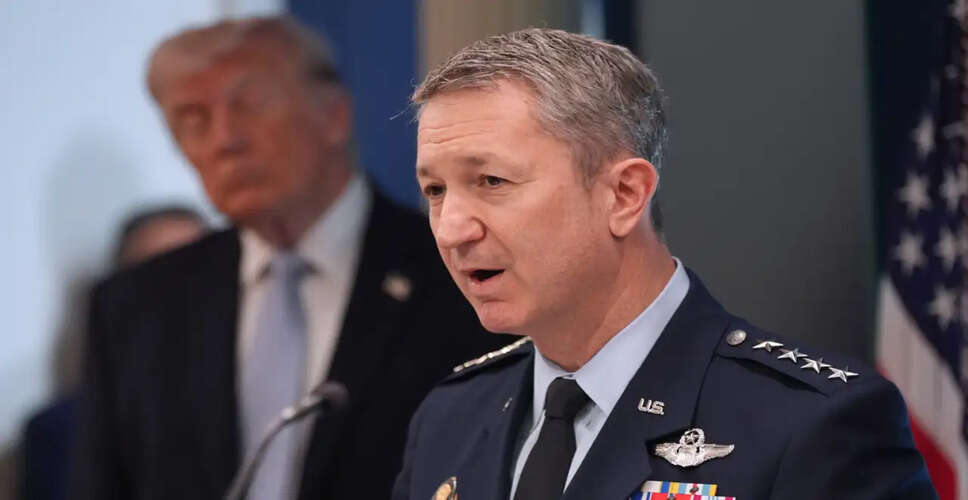
During a press briefing on Wednesday, General Dan Caine, the chairman of the Joint Chiefs of Staff, provided an intriguing overview of the logistical efforts behind the US military's nearly six-week-long Operation Epic Fury. He revealed that the operation required over 6 million meals, approximately 950,000 gallons of coffee, and 2 million energy drinks, alongside significant nicotine consumption. Caine humorously noted, "But I am not saying that we have a problem," while highlighting that the coffee consumption equates to around 7.6 million cups. He refrained from naming the specific energy drink brands consumed, leaving companies like Monster and Celsius in suspense.
Honoring the Service Members
Recognizing the Challenges Faced
Beyond the numbers, Caine took the opportunity to honor the service members who endured challenging and perilous conditions throughout the operation. He described the environment as "gritty and unforgiving," emphasizing the chaos, heat, darkness, and unpredictability that the troops faced. "Our personnel bravely ventured into the unknown and persevered, showcasing the steadfast determination that our nation expects from us," he stated. Defense Secretary Pete Hegseth, who was also present, remarked that while the Pentagon had fulfilled its responsibilities "for now," they would remain vigilant in the region.
Ceasefire Developments and Ongoing Tensions
A Fragile Ceasefire
The briefing coincided with the announcement of a ceasefire between President Trump and Iran, intended to facilitate ongoing negotiations. However, the two-week truce faced immediate challenges, as disagreements arose swiftly. Iranian officials claimed that the ceasefire included Lebanon, where Israel was actively targeting the Iran-supported Hezbollah group. In contrast, White House press secretary Karoline Leavitt clarified that Lebanon was not part of the agreement. Israel aligned with the US stance and conducted significant strikes against Hezbollah, resulting in at least 89 fatalities and around 700 injuries in Lebanon, according to the health ministry.
Additionally, the situation in the Strait of Hormuz added further uncertainty, as Trump had stipulated its complete reopening as a condition of the ceasefire, a matter that remained unresolved. Reports from Persian Gulf nations indicated ongoing Iranian missile and drone assaults, while Iranian state media claimed that an oil refinery on Lavan Island had been attacked by unidentified "enemies." The war may have temporarily halted, but the future of this ceasefire remains uncertain.