
Inside the Conflict: A Correspondent's Experience in Israel

A Correspondent's Perspective on War
The journey began with a sense of unease, as the complexities of covering Kashmir and Nepal had already been challenging. However, the situation in Tel Aviv brought forth a rush of thoughts and a desire to deliver impactful reports. The experience commenced with the piercing sound of emergency sirens and alerts on mobile devices, followed by the familiar public siren that became etched in memory, both positively and negatively. As missiles and drones launched from Iran approached Israel, the urgency to seek shelter in bunkers intensified.
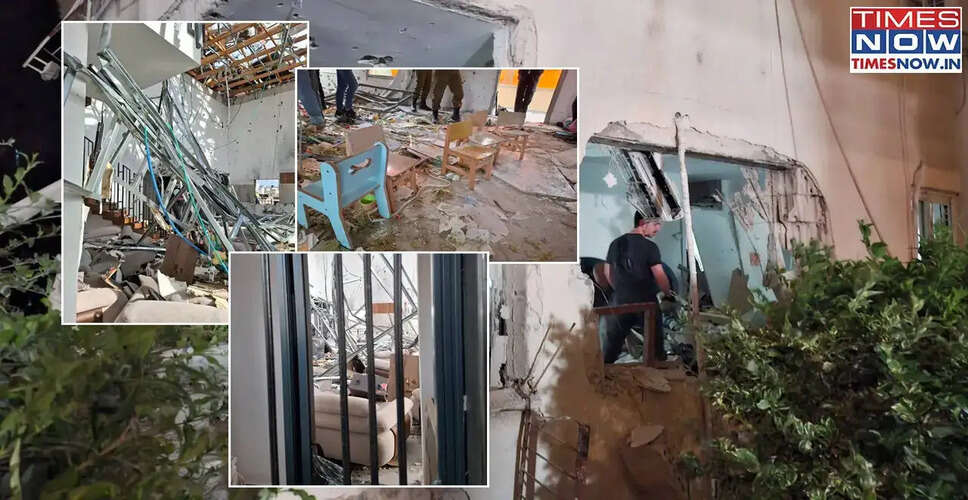
As a correspondent, my role was to report the facts without inciting fear. While others fled from danger, I moved toward it. The ground trembled beneath me as interceptor blasts echoed in the air, raising concerns about the effectiveness of Israel's defense systems. The later stages of the conflict revealed the devastating reality of cluster munitions striking homes and public spaces, transforming once peaceful areas into war zones.
In this conflict, the indiscriminate nature of missiles became painfully evident, affecting individuals of all ages. The tragedy began with the loss of over 100 girls in Iran, followed by elderly casualties from missile debris. Many were unable to reach safety due to their age.
What spared countless lives was the disciplined response to sirens. Israelis instinctively understood the importance of standard operating procedures (SOPs), moving swiftly to designated safe areas whenever alerts sounded, sometimes multiple times a day.
As reporters, we were tasked with approaching the sites of impact while adhering to safety protocols. My colleague, Sachin Rawat, a seasoned video journalist, frequently reminded us to prioritize our safety without causing alarm among the public.
Witnessing tragedy as reporters often leaves a lasting impact. One poignant moment occurred in Dimona, where the gravity of Iran's targeting became starkly apparent. Dimona, a strategic location due to its nuclear facilities, had seen significant injuries. There, Sachin encountered a young woman whose anger erupted as he filmed the destruction around her home. The devastation had unleashed her pent-up emotions, and we allowed her the space to express her feelings. She shared that her family had emigrated from India forty years prior, a detail that resonated deeply with me.
In war zones, such memories are common. Two particular recollections linger in my mind. The first involves the pets of Israelis, who cherish their animals. During the sirens, reactions varied; some pets were frightened, while others, like Omer's dog, viewed the rush to safety as an opportunity for socializing. Omer, an innovator, had developed an app to help manage anxiety, a reminder that even amidst conflict, kindness and warmth persisted.
The second memory is of a small girl in a dress, a sight I cannot fully describe. Some images are meant to remain with the correspondent alone.
Experiences from the conflict have become instinctual, requiring no conscious thought. The automatic response to loud noises is to prepare for shelter. The siren's echo plays continuously in my mind, while muscle memory guides my actions in moments of crisis.
The lingering scent of burnt materials and melted plastic is haunting. I often wondered if it was the smell of explosives or the remnants of missiles as they tore through residential areas. Each time I navigated through that odor to report, I neglected to inquire with the IDF or Bomb Disposal Squad, prioritizing the urgency of getting the story out.
Sachin's quick reflexes ensured that our reports were transmitted promptly, a crucial aspect of our work amidst the chaos of war.