
Innovative Method for T-Cell Recovery Developed by IIT Bombay Researchers
Breakthrough in T-Cell Recovery Techniques
New Delhi, Feb 5: Researchers from the Indian Institute of Technology (IIT) Bombay have introduced a more straightforward and effective technique for recovering immune cells cultivated in laboratories for T-cell-based cancer treatments.
In therapies like CAR T-cell, T-cells, which are a type of immune cell, are extracted from a patient's blood, modified extensively in a lab, and then reintroduced into the patient's bloodstream to combat cancer.
These lab-grown cells need to be collected with care to ensure they remain viable and functional upon reinfusion into the patient. Therefore, developing safe and efficient methods for T-cell cultivation and retrieval is crucial for the success of these therapies.
“While cell recovery may seem straightforward in theory, it presents significant challenges in practice,” stated Prof. Prakriti Tayalia from the Department of Biosciences and Bioengineering at IIT Bombay.
“Without a sufficient number of healthy cells, proper testing and therapeutic application become impossible,” she emphasized.
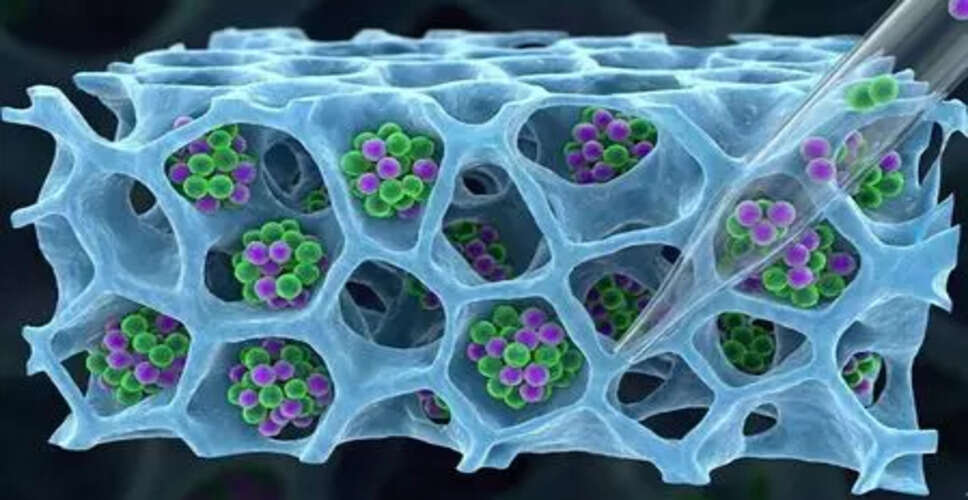
To better replicate the body's natural conditions, Tayalia's team utilized a specialized scaffold created through a technique known as electrospinning. These electrospun scaffolds resemble thin mats composed of fine fibers, akin to a dense fishing net.
The researchers cultivated Jurkat T-cells, a human cell line used for studying T-cell biology, cancer, and HIV, within electrospun scaffolds made from polycaprolactone.
Under microscopic examination, the team noted that the cells actively migrated into the scaffold and became securely lodged among the fibers.
Moreover, the study revealed that using trypsin, an enzyme, for cell collection resulted in increased cell mortality.
Conversely, cells retrieved with accutase, a gentler enzyme, exhibited higher survival rates and behaved more like healthy T-cells. They formed clusters, a critical precursor to T-cell division, and continued to thrive post-recovery.
“Aggressive treatments with enzymes like trypsin can harm essential surface proteins necessary for immune signaling and activation, diminishing the therapeutic potential of the cells. Accutase seems mild enough to prevent this issue,” Tayalia explained.
The findings of this research, published in the journal Biomaterials Science, could assist laboratories in utilizing such scaffolds for preparing cells for therapies like CAR T-cell treatment.
“For advanced therapies to benefit patients, every step is crucial. The methods we use to grow and retrieve cells can significantly impact outcomes,” Tayalia concluded.