
Innovative Idea Emerges to Revive Spirit Airlines Through Community Ownership
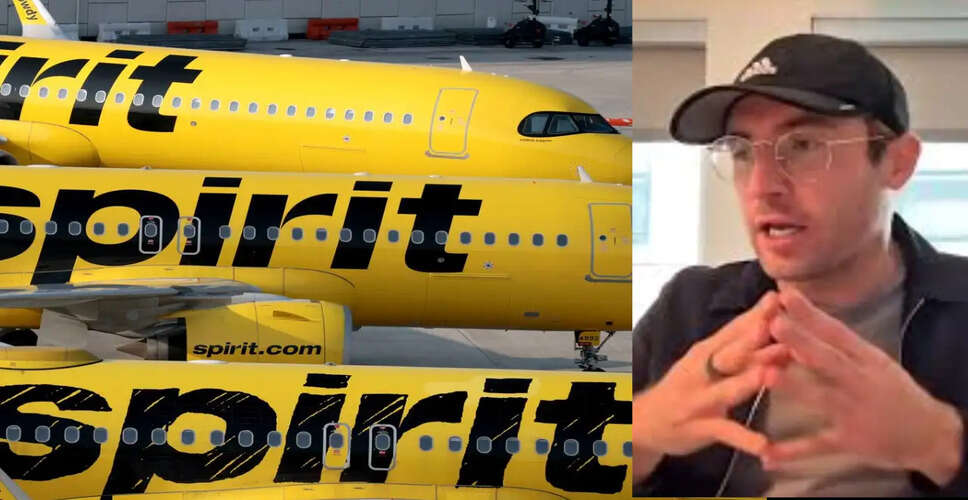

A New Vision for Spirit Airlines
On May 2, 2026, Spirit Airlines ceased operations, prompting a collective shrug from many Americans who viewed it as just another budget airline folding, known more for its cramped seating and hidden fees than for reliability. However, Hunter Peterson, a 22-year-old content creator, saw an opportunity. On the same day, he proposed a bold idea: what if everyday Americans pooled their resources to purchase Spirit Airlines and operate it similarly to the Green Bay Packers, the only publicly owned major sports team in the United States?
Peterson's concept was simple: if a small number of Americans contributed the cost of a single Spirit ticket, priced at $45, they could collectively own the airline. What began as a lighthearted suggestion quickly gained traction, amassing pledges of $337 million from over 370,000 verified individuals within a week. His website experienced multiple crashes due to the surge in traffic.
A Unique Ownership Model
Peterson envisions transforming Spirit into a community-owned airline, where shareholders—ordinary people—would influence decisions regarding routes, fares, and leadership, rather than Wall Street investors or hedge funds. Although he is not yet collecting funds, he is consulting with legal experts and navigating the intricate regulatory environment. He has already garnered support from the flight attendants' union, which comprises 5,500 members, and is in discussions with angel investors.
Why Spirit Airlines Failed
Spirit Airlines faced numerous challenges over the years, including failed merger attempts with Frontier and JetBlue. The airline filed for bankruptcy twice, with its most recent filing in 2025, accumulating approximately $8.1 billion in debt. The surge in oil prices due to the Iran conflict ultimately drained the airline's liquidity, leading CEO Dave Davis to candidly state, 'We just kind of ran out of runway.'
Experts Express Doubts
While the concept has sparked public interest, aviation and legal experts are skeptical about its practicality. John Coffee Jr., a law professor at Columbia University, highlighted the significant regulatory challenges, including stringent SEC regulations for public offerings and the complexities involved in acquiring and operating an airline, such as aircraft liens, union agreements, airport leases, and safety certifications. Charles Elson, a retired finance professor at the University of Delaware, bluntly remarked, 'It’s a nice idea. I would be shocked if it ever became a reality. I think it’s like going to Mars.'
A Reflection of Public Discontent
Despite the daunting odds, the campaign's popularity underscores a widespread dissatisfaction with the airline industry. Many supporters express frustration over high fares, inadequate service, and industry consolidation that has reduced consumer options. Abigail Hartman, a radiologic technologist from Indiana who pledged her support, encapsulated the sentiment: 'If this works, doesn’t that prove we can do anything? We can make a difference.'
As the deadline approaches for an auction of Spirit's remaining assets, Peterson is fully committed to this endeavor. Whether this viral initiative will lead to a genuine revival of Spirit Airlines or remain a symbolic gesture against the industry is yet to be determined. For now, thousands of everyday Americans are eager to join the movement and take action.