
Indore Students Explore Sustainable Development Through Educational Visit
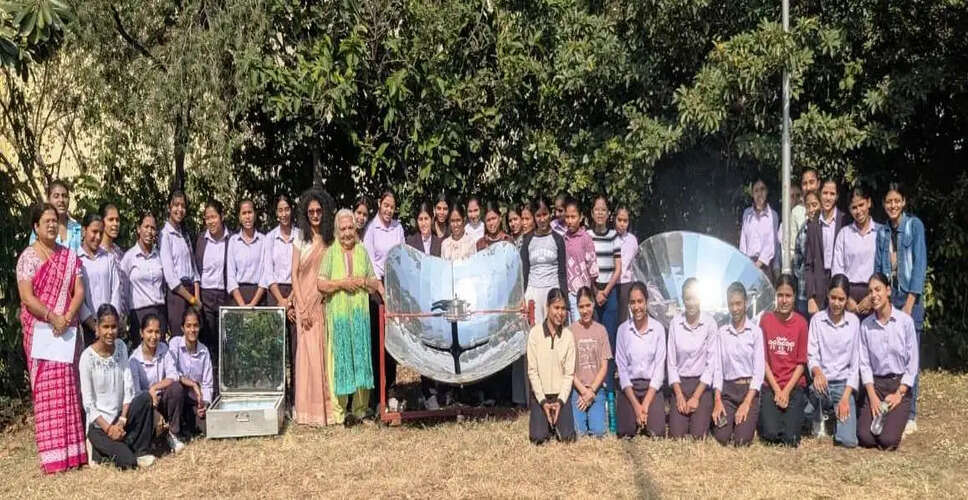

Educational Visit to the Jimmy Magilligan Center
An educational trip was organized for B.Sc. Bio-Science students from Umiya Kanya Mahavidyalaya, Rau, Indore, to the Jimmy Magilligan Center for Sustainable Development, founded by Padma Shri awardee Dr. Janak Palta Magilligan, renowned for her contributions to sustainable development and environmental conservation.
Insights Gained During the Visit
During the tour with Dr. Janak Palta Magilligan:
We learned extensively about renewable energy, solar cooking, medicinal plants, organic products, waste management, and eco-friendly living practices. This visit helped us understand how to protect the environment through the prudent use of natural resources and reduce pollution.
We explored solar energy, a clean and renewable resource derived from the sun. Various types of solar cookers were introduced, including box-type solar cookers, parabolic cookers, and large Shafler dish solar kitchens that cook food without the need for traditional fuels like wood, coal, or LPG.
Exploring Solar Drying Techniques
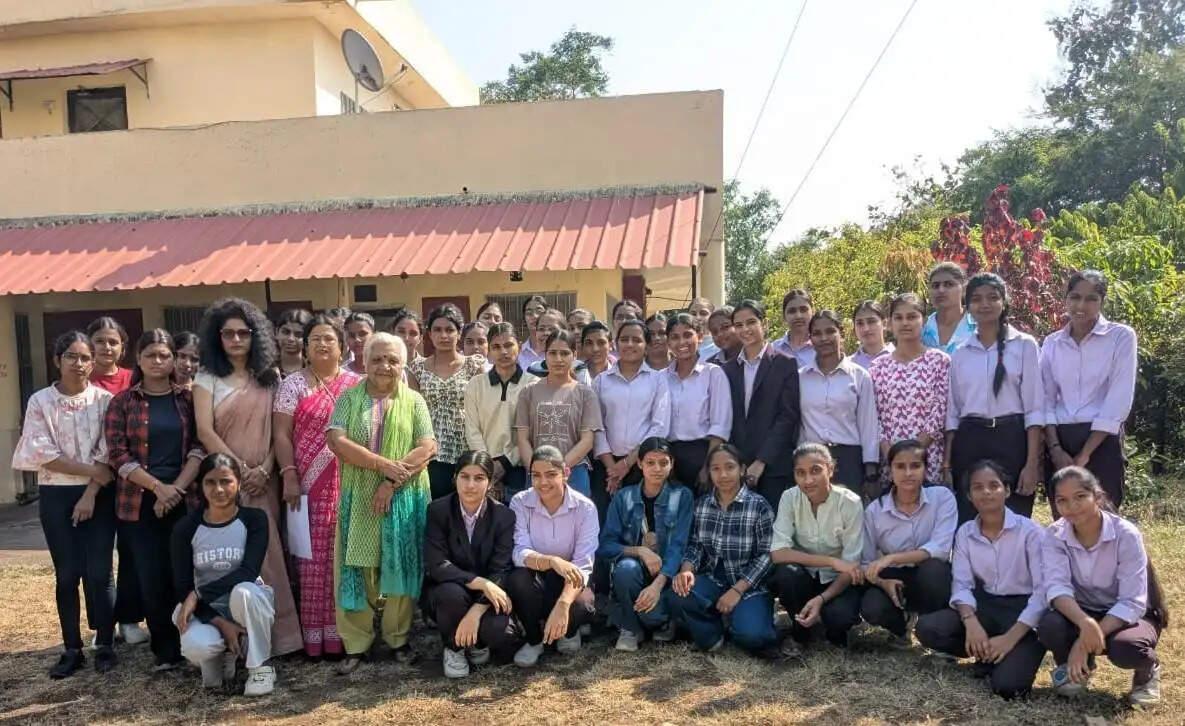
We also learned about solar dryers, which utilize solar heat to dehydrate fruits, vegetables, herbs, and other food items. This method aids in preserving food and reducing waste.
During the visit, we discovered the 2 kW hybrid solar-wind power station established by Dr. Janak Palta Magilligan and her late husband, Jimmy Magilligan. This system not only meets her household needs but has also provided free electricity to 50 impoverished tribal families in her neighborhood for several years.
Medicinal Plants and Their Uses
We observed various medicinal and useful plants and learned about their applications in daily life, including the Hurdajur plant, known for its traditional uses related to bone health, and plants used as shampoo, such as lemongrass. We also learned about traditional grains and spices, particularly wheat, golden pearl millet, and Panch masala.
Organic Products and Natural Alternatives
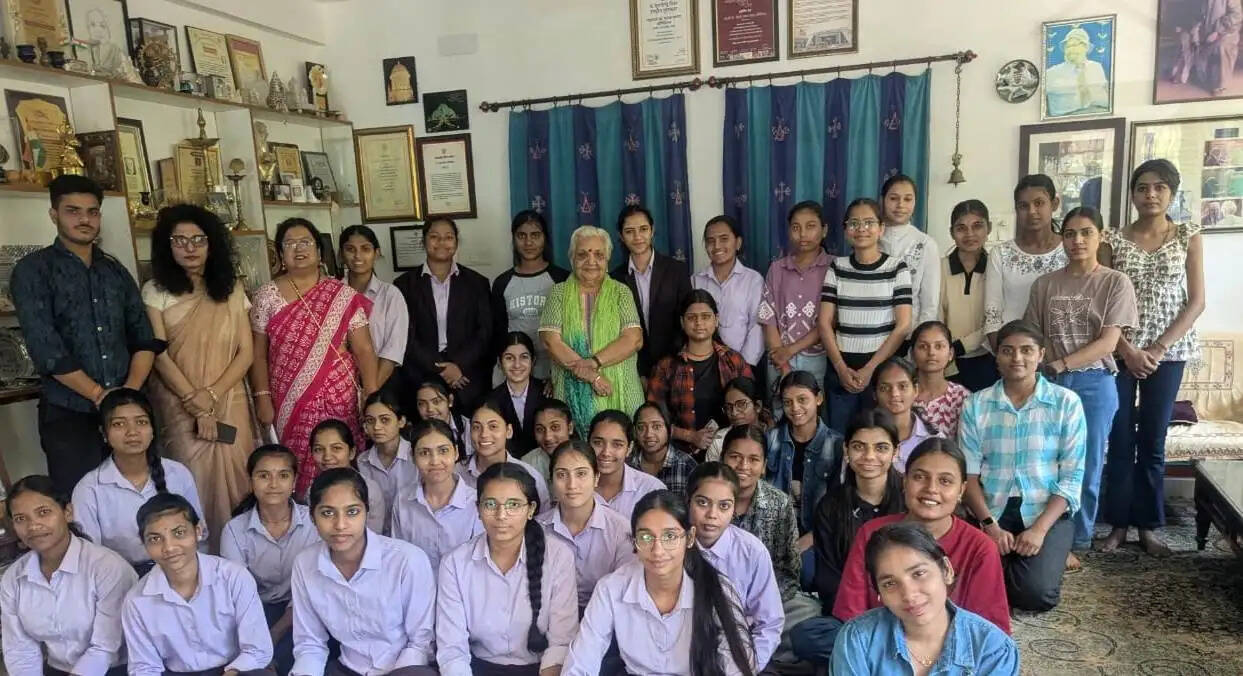
We gained insights into creating useful products using natural and plant-based materials, such as:
– Organic phenyl or natural floor cleaner: Some cleaning products can utilize plant-derived substances.
– Herbal tea: Made from lemongrass and other suitable herbs.
– Natural hair cleanser: We observed the use of reetha.
– Compost: Organic nutrients from kitchen and garden waste are transformed into rich fertilizer. We also learned about the process of making fuel briquettes from waste paper and agricultural residues like straw.
Environmental Benefits of Sustainable Living
Key Benefits Include:
1. Conservation of natural resources: Reducing unnecessary consumption of water, energy, and raw materials.
2. Pollution reduction: Decreasing reliance on traditional fuels through appropriate renewable energy technologies.
3. Waste reduction: Minimizing the amount of waste through reuse and recycling.
4. Biodiversity conservation: Supporting ecosystems by planting trees and preserving useful plant species.
5. Sustainable agriculture: Better resource management through composting and responsible use of agricultural residues.
6. Energy conservation: Reducing the need for traditional energy sources through solar cookers and dryers.
7. Environmental awareness: Encouraging people to adopt responsible habits in their daily lives.
8. Connection to biotechnology.
Reflections from the Students
This visit was particularly beneficial for B.Sc. Bio-Science students in understanding the practical applications of biological sciences. It provided an opportunity to connect theoretical knowledge gained in class with real-world applications and environmental conservation.
After the visit, students shared their experiences:
– Taniska Chauhan expressed her interest in understanding how solar cookers work.
– Pooja Sharma showed a desire to learn more about organic products and their benefits.
– Rishi noted that the visit helped him understand how to reduce dependence on electricity by using natural and renewable energy sources.
– Khushi shared that she learned many new things related to nature and the environment.
Thoughts from the Assistant Professor
Visiting Dr. Janak Palta Magilligan's eco-friendly center was an inspiring and enlightening experience for me. Her commitment to sustainable living demonstrates that adopting simple, practical, and environmentally friendly habits can protect nature. Sustainable development is not just a theoretical subject taught in classrooms; it is a responsible way of living. It is crucial for educators to foster environmental awareness among students and inspire them to become responsible citizens.
This visit also served as a reminder that environmental conservation begins at home. Simple actions like saving electricity and water, proper waste segregation, planting trees, reducing plastic use, and judiciously utilizing natural resources can collectively have a significant impact. An eco-friendly home is not just a building; it is a living example of harmony between humanity and nature. By adopting a sustainable lifestyle today, we can contribute to creating a clean, green, and healthy Earth for future generations.