
Indira Gandhi's Cinematic Resurgence: A Look at Her Portrayals in Film
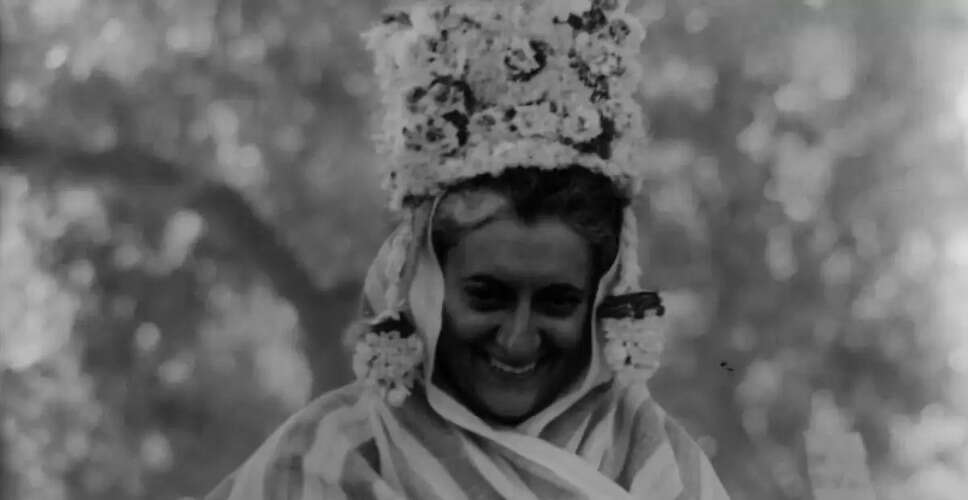
Indira Gandhi's Representation in Modern Cinema
During Indira Gandhi's tenure as India's Prime Minister from the 1960s to the 1980s, her image was seldom featured in films, often appearing only as a photograph in government settings. Today, however, she is a prominent figure in various cinematic narratives.
The renewed fascination with period dramas has sparked a resurgence of interest in Indira Gandhi, showcasing her in films that depict military triumphs over Pakistan, biopics of regional leaders, and even narratives surrounding cricket and tax raids. Additionally, her role during her father Jawaharlal Nehru's leadership is also explored.
Her controversial decision to suspend the Constitution and civil liberties from 1975 to 1977 has recently been dramatized in the upcoming film Emergency, set to release on January 17.
Directed by Kangana Ranaut, who also stars as Gandhi, the film portrays her as a figure grappling with intense psychological pressure during the Emergency. The production utilizes advanced prosthetics and makeup by Oscar winner David Malinowski to enhance Ranaut's transformation.
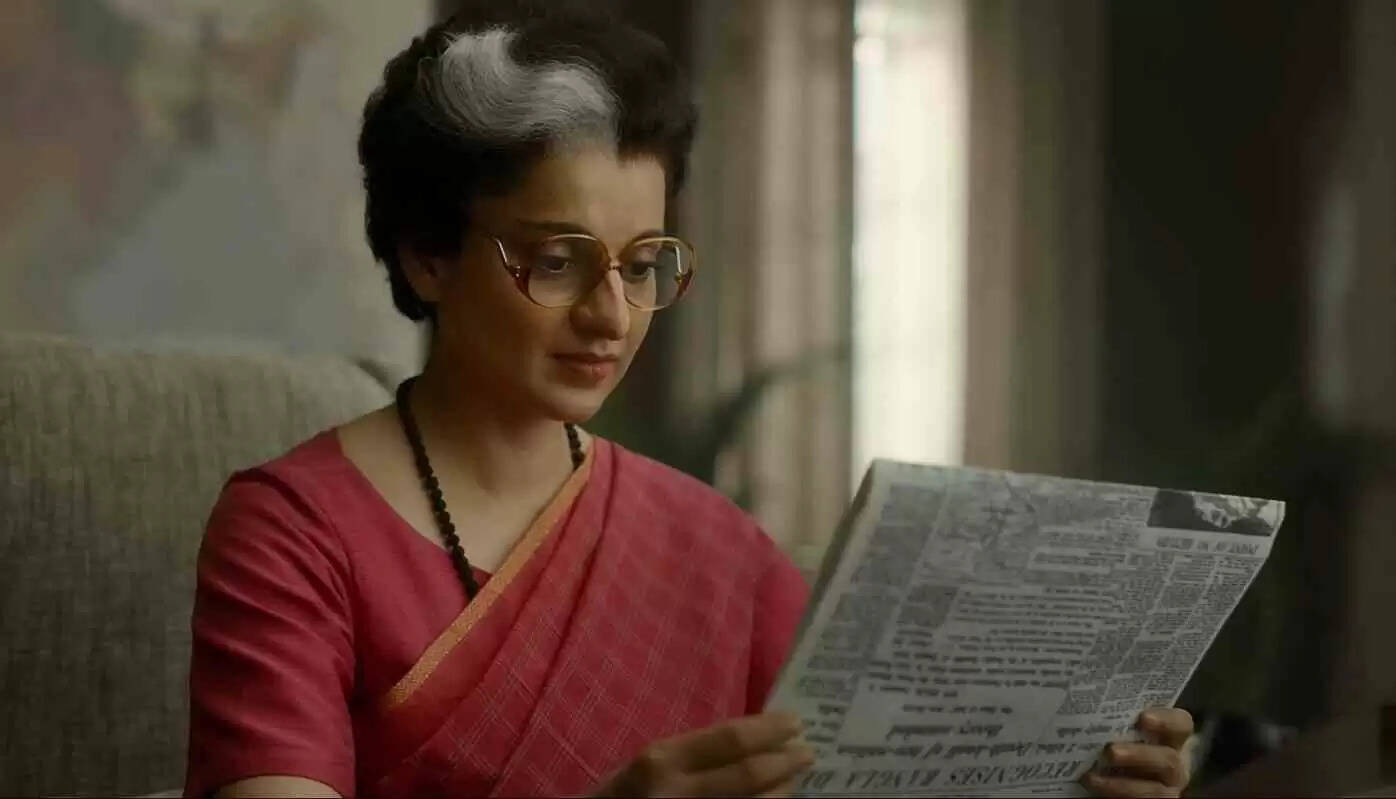
Before Ranaut's portrayal, several actresses have depicted Gandhi during the Emergency, including Supriya Vinod, Navni Parihar, and Sarita Choudhury. Vinod notably starred in Madhur Bhandarkar’s Indu Sarkar (2017), which centers on a poet's rebellion against the Emergency, featuring Neil Nitin Mukesh as her son, Sanjay Gandhi.
In Indu Sarkar, Vinod's performance includes silent moments that convey Gandhi's confidence in her party's electoral success post-Emergency, culminating in a striking scene where she ominously replaces her spectacles with sunglasses.
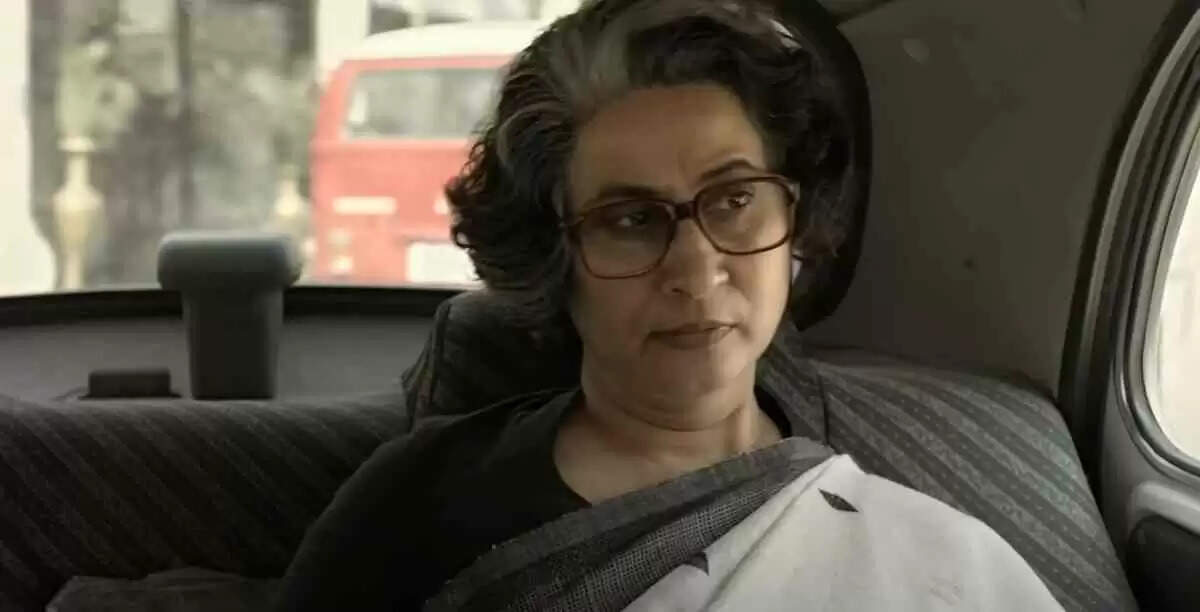
Vinod has portrayed Gandhi in various productions, including Yashwantrao Chavan (2014) and NTR: Kathanayakudu (2019), showcasing her versatility in capturing Gandhi's complex character.
In a past interview, Vinod emphasized the importance of embodying Gandhi's likeness and mannerisms, noting her distinctive rapid walk.
Many actresses who have taken on the role of Gandhi have faced challenges in physically resembling her. Avantika Akerkar, who has played Gandhi in six different productions, highlighted that portraying her involves more than just wearing a sari or a wig.
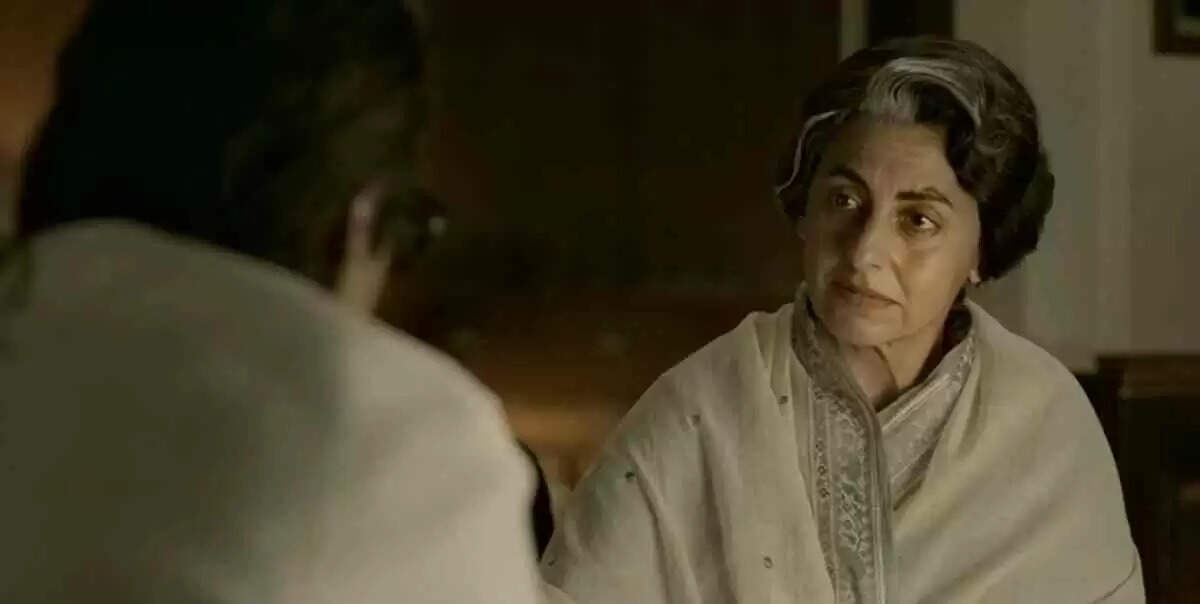
Akerkar first portrayed Gandhi in the biopic Thackeray (2019) and has since appeared in films like 83 (2021) and Mission Majnu (2023). Her preparation included studying Gandhi's speeches and mannerisms to authentically capture her essence.
In 83, Akerkar's Gandhi cleverly uses the Cricket World Cup to quell communal tensions, showcasing her political acumen.
Reflecting on Gandhi's character, Akerkar described her as a fascinating yet tragic figure, acknowledging her intelligence and political savvy.
Indira Gandhi's journey began in her childhood, closely observing her father's role in India's freedom struggle and subsequent leadership. Films depicting the early years of independent India often include her character.
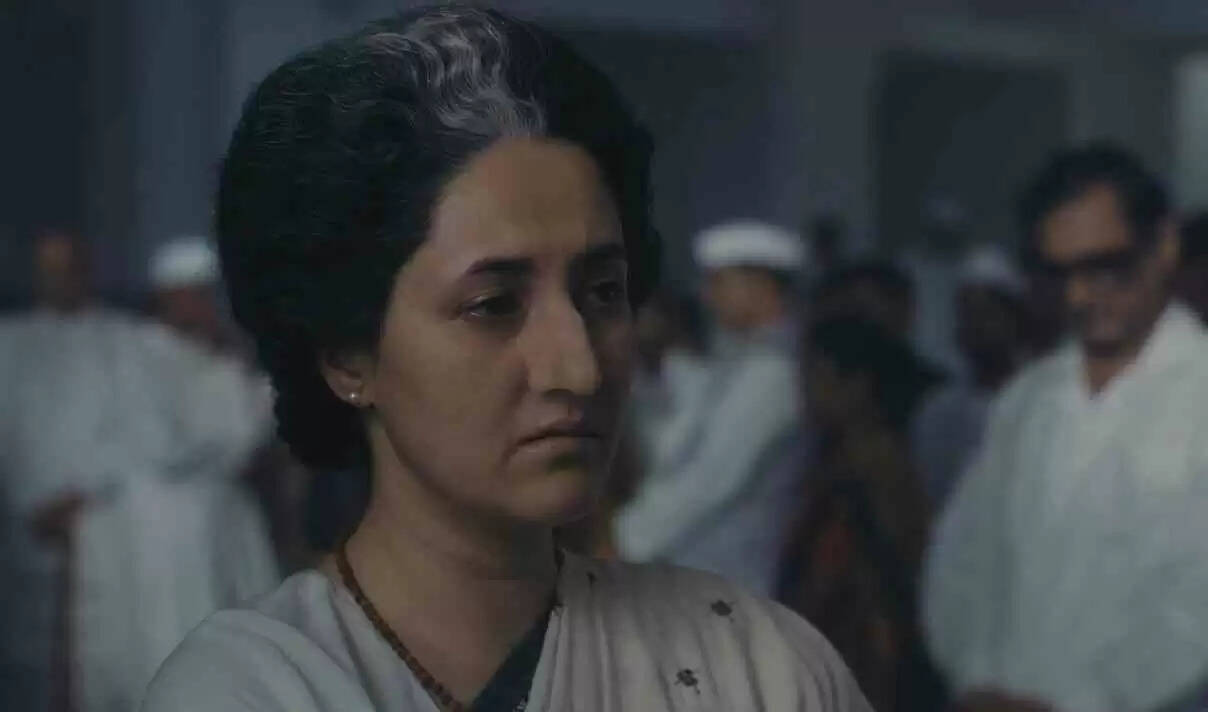
In 1962: The War in the Hills, Geetika Vidya Ohlyan portrays Gandhi, while Charu Shankar takes on the role in Rocket Boys (2022-2023), illustrating her evolution as a leader.
The portrayal of Indira Gandhi in popular culture often emphasizes her as a decisive leader among men, particularly during the 1970s.
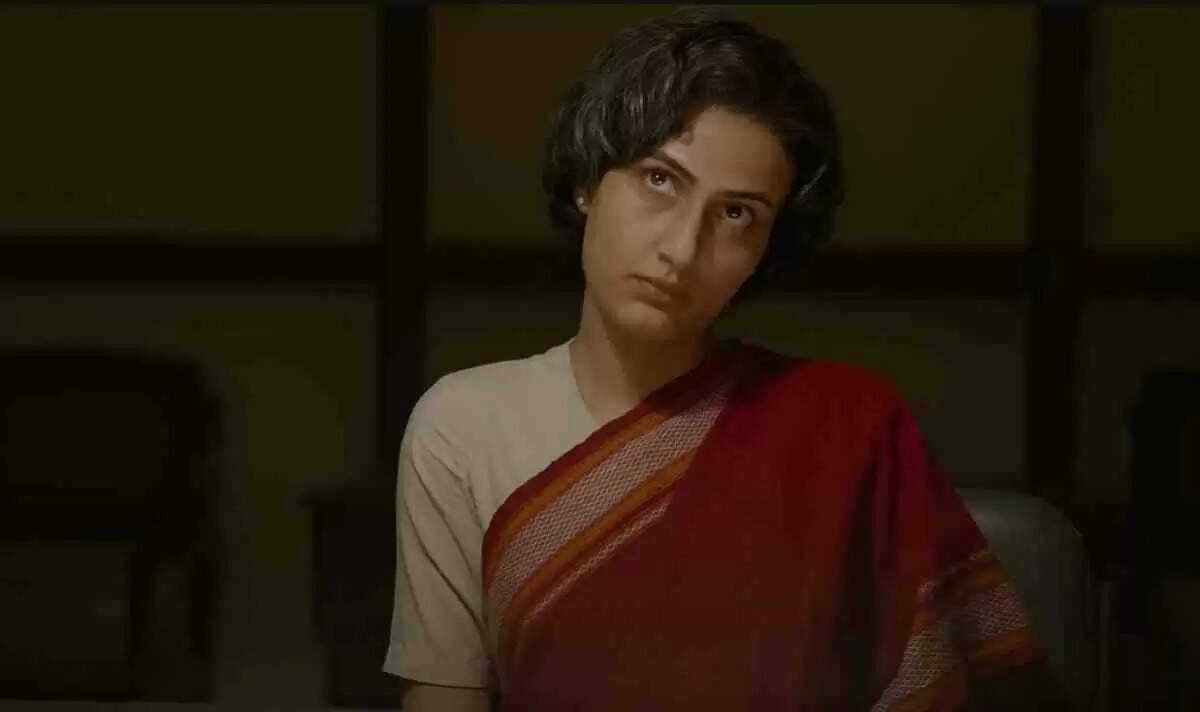
Films like Bell Bottom (2021) and Bhuj: The Pride of India (2021) depict her as a strong leader consulting military officials, reinforcing her image of assertive governance.
Conversely, the film Sam Bahadur (2023) presents a different narrative, exploring a more personal relationship between Gandhi and military leaders.
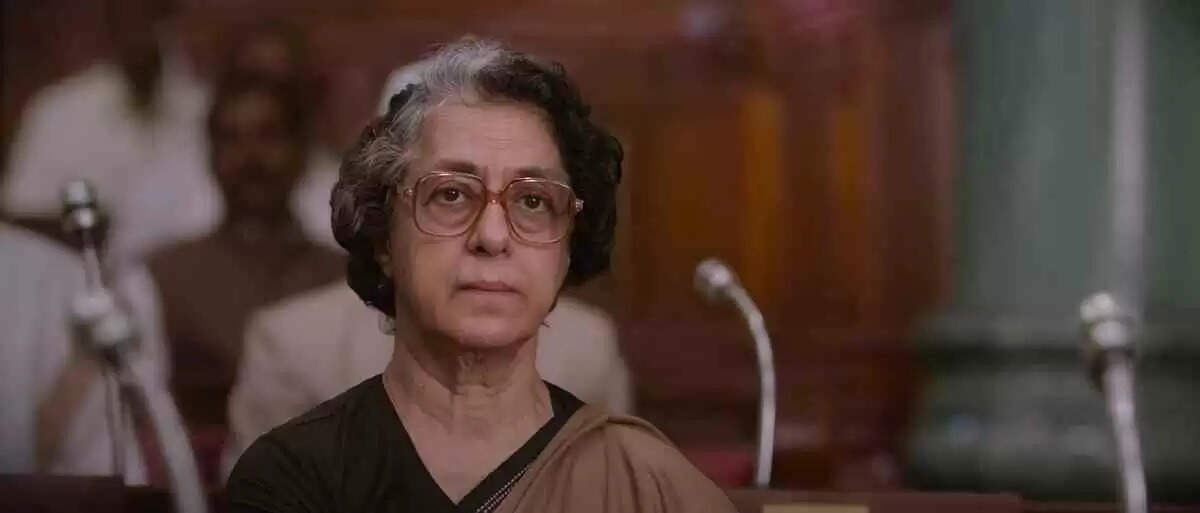
In Raid (2018), Gandhi, portrayed by Flora Jacob, intervenes to support an honest tax officer, while in Thalaivii (2021), she admires the assertiveness of Tamil Nadu politician J Jayalalithaa.
Navni Parihar, who played Gandhi in Bhuj and Pradhanmantri, noted the challenge of accurately capturing Gandhi's voice and body language.
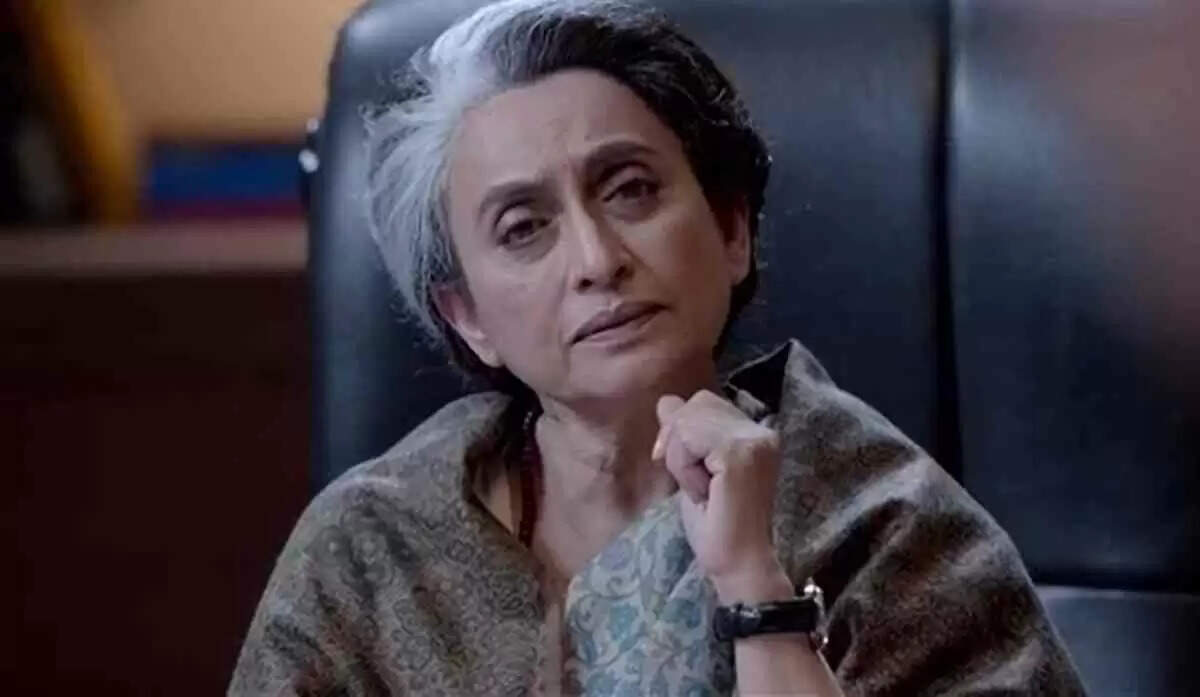
While many films have chronicled India's freedom movement, the exploration of post-Independence events featuring Gandhi has gained traction in recent years.
The evolution of makeup and prosthetics has allowed filmmakers to depict Gandhi more convincingly, even when actors do not resemble her closely.
Prashant Doiphode, who transformed Lara Dutta into Gandhi for Bell Bottom, emphasized the importance of focusing on facial features to create a believable portrayal.
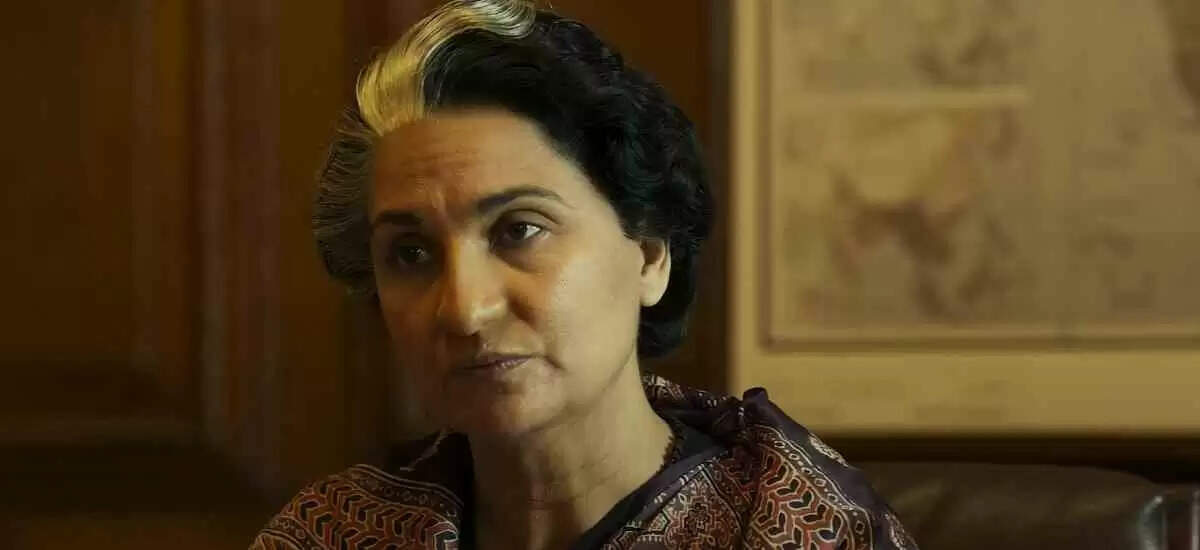
Contemporary films revisiting the 1970s contrast sharply with earlier productions, where Gandhi was often depicted in a heavily fictionalized manner.
In Aandhi (1975), the resemblance between the protagonist and Gandhi led to censorship issues, highlighting the sensitivity surrounding her portrayal.
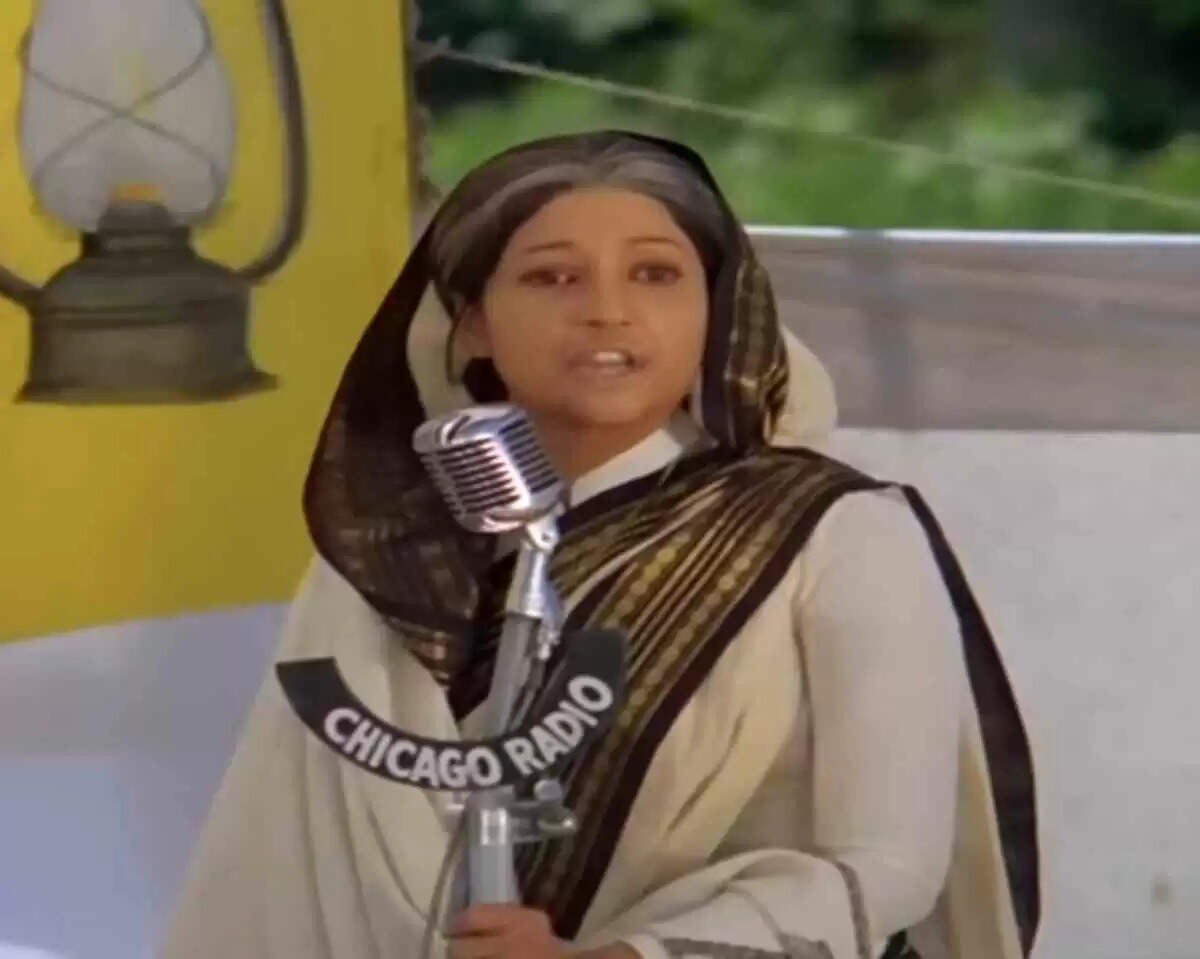
Critiques of the Emergency emerged during the 1970s, with films like Ram Ram Gangaram (1977) and Nasbandi (1978) using humor to address the forced sterilizations that occurred.
These films, while not featuring Gandhi directly, lampooned her associates and the political climate of the time.
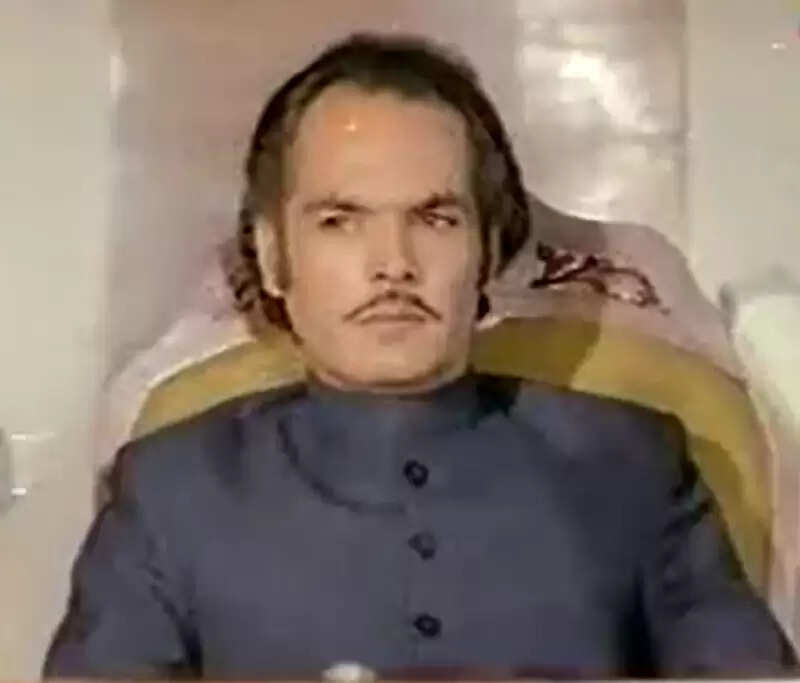
The film Kissa Kursi Ka satirized the dictatorial tendencies of Sanjay Gandhi, with Indira's presence felt throughout the narrative.
Sudhir Mishra’s Hazaaron Khwaishein Aisi (2003) offers a nuanced look at the political turmoil of the 1970s, featuring a character reminiscent of Sanjay Gandhi.
Deepa Mehta’s adaptation of Midnight’s Children (2012) presents Gandhi as a figure overseeing significant political turmoil, reflecting on her complex legacy.

The portrayal of Indira Gandhi often oscillates between strong leadership and autocratic tendencies, with some films presenting her in a more indirect manner.
Actors who depict Gandhi acknowledge her complexities, including her controversial decisions during the Emergency and the Khalistan movement.
Gandhi's actions during the storming of the Golden Temple ultimately led to her assassination in 1984, a topic that remains contentious in cinematic portrayals.
In 2014, the film Kaum De Heere, which glorified her assassins, faced a ban despite initial clearance, illustrating the ongoing sensitivity surrounding her legacy.
The film features an unidentified actress portraying Gandhi, whose voice is heard in a dramatic scene leading to her assassination.
Avantika Akerkar remarked on Gandhi's evolution, noting her increasing paranoia and mistakes in her later years, drawing parallels to other strong female leaders.