
IndiGo Faces Major Flight Cancellations Due to Crew Shortage
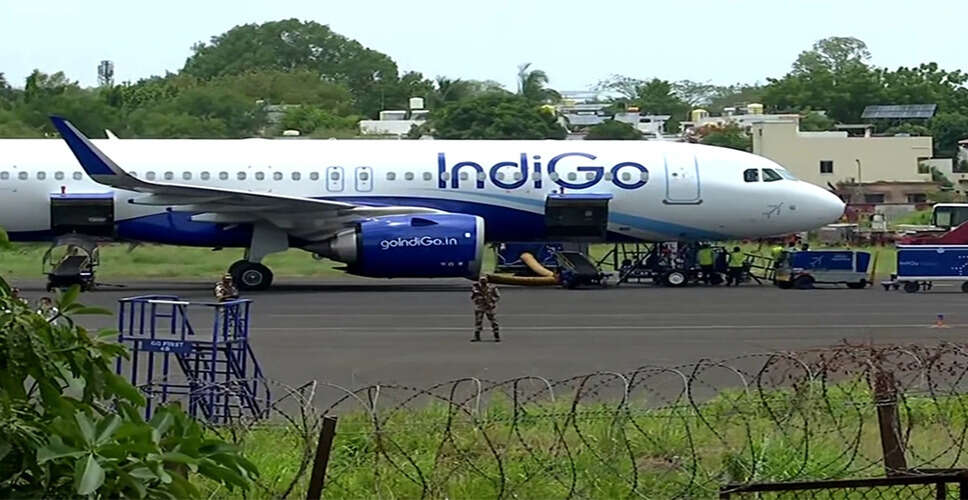
IndiGo's Flight Disruptions
On Wednesday, IndiGo canceled over 70 flights, including several from Bengaluru and Mumbai airports, as the airline grapples with a significant crew shortage affecting its operations. A spokesperson for IndiGo acknowledged these disruptions, attributing them to various factors such as technical issues, airport congestion, and operational requirements that have led to unavoidable delays and cancellations in recent days.
Sources indicate that the primary cause of this crisis is the crew shortage resulting from the implementation of the second phase of Flight Duty Time Limitations (FDTL) regulations. Following the introduction of these new standards, IndiGo has faced a severe lack of crew members, leading to numerous flight cancellations and extensive delays at various airports.
The situation worsened for the airline on Tuesday, with Wednesday seeing even more cancellations and delayed departures. According to data from the Ministry of Civil Aviation, IndiGo's on-time performance plummeted to 35% across six major domestic airports on Tuesday, while Air India achieved 67.2%, Air India Express 79.5%, SpiceJet 82.5%, and Akasa Air 73.2%. The latest FDTL regulations, which include extending weekly rest periods to 48 hours, increasing nighttime flight hours, and limiting nighttime landings from six to just two, were initially opposed by IndiGo and other domestic airlines, including Tata Group-owned Air India.
However, following directives from the Delhi High Court, the Directorate General of Civil Aviation (DGCA) implemented these regulations in a phased manner after more than a year of delays, with some adjustments for airlines like IndiGo and Air India. The first phase of the FDTL regulations took effect in July, while the second phase, which restricts nighttime landings, was enforced starting November 1. Originally scheduled for implementation in March 2024, airlines had requested a phased rollout citing critical crew requirements.