
India's Vigilance Grows Amidst Iran's Turmoil: What You Need to Know
India Monitors Situation in Iran
New Delhi: The Ministry of External Affairs (MEA) announced on Friday that it is closely monitoring the rapidly evolving situation in Iran and is committed to ensuring the safety of Indian citizens there.
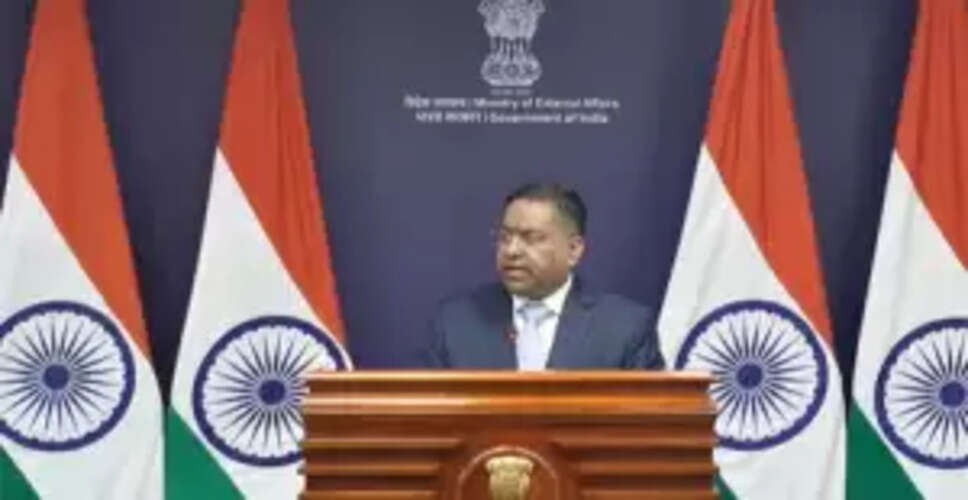
During a weekly press briefing in New Delhi, MEA spokesperson Randhir Jaiswal revealed that approximately 9,000 Indians currently reside in Iran, including students, business professionals, pilgrims, and seafarers.
In light of the circumstances, advisories have been issued urging Indian nationals to refrain from traveling to Iran and advising those already in the country to depart using available means, such as commercial flights. Jaiswal emphasized that the government is vigilant and will take all necessary actions to safeguard its citizens.
The unrest in Iran began due to dire economic conditions, marked by soaring inflation and a plummeting currency, leading to widespread protests across the nation. Demonstrators are voicing their grievances and demanding substantial political reforms.
On January 5, the Indian government advised its citizens to avoid non-essential travel to Iran until further notice due to the ongoing developments. Additionally, Indian nationals residing in Iran on resident visas were encouraged to register with the Indian Embassy if they had not done so already.
In response to inquiries regarding India's involvement in the Chabahar Port project, Jaiswal clarified that the US Department of the Treasury had issued a letter on October 28, 2025, detailing the conditions for a sanctions waiver, which remains valid until April 26, 2026. India continues to engage with the US to navigate this arrangement.
Last year, the US granted a six-month extension of the sanctions waiver, allowing India to maintain its operations at Chabahar Port, effective from October 29.
In 2024, India and Iran entered into a decade-long agreement to develop the Shahid Beheshti terminal. However, the US Secretary of State rescinded the sanctions exception previously granted in 2018 under the Iran Freedom and Counter-Proliferation Act (IFCA) for Afghanistan's reconstruction and economic development, effective September 29.
This revocation impacted those involved in the Chabahar Port operations or other activities subject to US sanctions. Nevertheless, India is set to continue its development and operation of the terminal at least until April without incurring punitive measures from Washington. The port is vital for India's trade and connectivity with Afghanistan and Central Asia, allowing it to bypass Pakistan.