
India's Urgent Need for Additional Rafale Fighter Jets
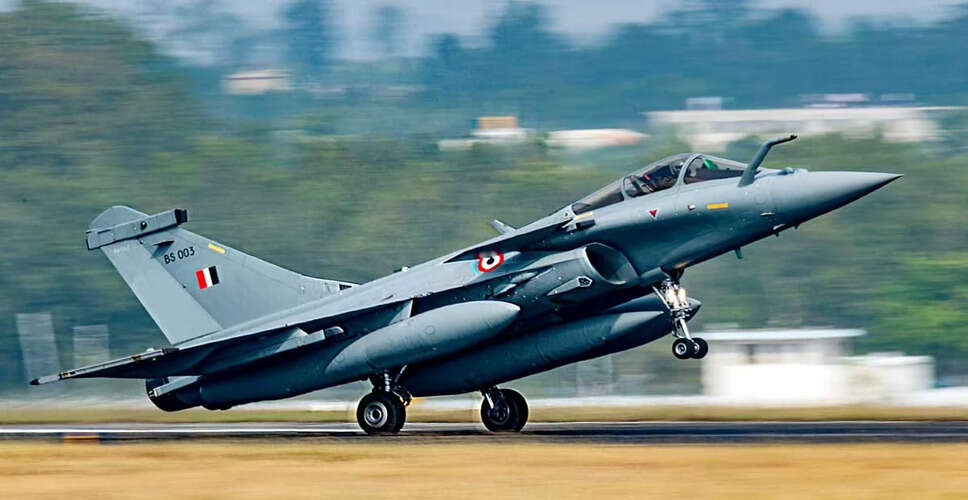
Strategic Importance of Rafale Jets for Indian Air Force
The Indian Air Force's (IAF) request for more Rafale fighter jets transcends mere technical requirements; it is a critical aspect of national security. With older aircraft like the MiG-21 being phased out, the number of operational squadrons is dwindling, while both Pakistan and China are enhancing their air forces with advanced technology. Pakistan is increasingly relying on sophisticated fighters such as the J-10C and F-16, while China boasts cutting-edge fifth-generation J-20 fighters. Maintaining a balance of power is essential for India, especially given the rising tensions along the borders with Pakistan and China, where air superiority is crucial not only for defense but also for strategic leverage.
Capabilities of Rafale Fighter Jets
Rafale jets are renowned for their precision strike capabilities over long distances and excel in multi-role missions, including air defense, ground attack, and maritime operations. Acquiring additional Rafales would enable the IAF to conduct operations on two fronts simultaneously, a necessity in the current geopolitical climate. It is imperative for the government to prioritize this acquisition to ensure India can respond decisively in any potential crisis.
IAF's Push for More Rafale Jets
The IAF is advocating for a swift purchase of additional Rafale jets through a government-to-government (G2G) agreement with France. This move is part of the long-pending 114 Multi-Role Fighter Aircraft (MRFA) project, which aims to manufacture most of the aircraft domestically with foreign collaboration.
Upcoming Proposal for MRFA
According to media reports, the IAF plans to present a proposal for 'Acceptance of Necessity' (AoN) to the Defence Acquisition Council (DAC) within the next month or two. The AoN is the first step in the lengthy defense procurement process. The DAC, chaired by Defence Minister Rajnath Singh, will make the final decision on this proposal. The IAF emphasizes the urgent need for additional Rafale squadrons to halt the decline in fighter squadron numbers. Currently, the IAF operates only 31 squadrons (each comprising 16-18 aircraft), which will drop to 29 following the retirement of MiG-21s next month. The authorized strength is 42.5 squadrons, deemed necessary to counter the combined threats from China and Pakistan.
Operational Use of Rafale Jets
During 'Operation Sindoor' (May 7-10, 2025), Rafale jets were extensively used for long-range strikes across the border. Pakistan claimed to have shot down six IAF aircraft, including three Rafales, a claim India refuted. At that time, Pakistan utilized Chinese-made J-10 fighters and PL-15 missiles (with ranges exceeding 200 km). Additionally, China plans to supply Pakistan with at least 40 J-35A fifth-generation stealth jets in the near future, further complicating the regional power balance.
Long-Term Plans for IAF
The MRFA project has been pending for the past 7-8 years, with an initial estimated cost exceeding ₹1.2 lakh crore. The IAF now faces the option of acquiring additional Rafales through the G2G route, which would be faster and more cost-effective, utilizing existing infrastructure at Ambala and Hasimara airbases. Furthermore, the acquisition of fifth-generation fighters is under consideration, including Russia's Sukhoi-57 and the U.S. F-35, although formal discussions have yet to commence. The indigenous AMCA project is expected to enter production by 2035, but interim capabilities must be addressed in the meantime.
Navy and Air Force Synergy
The naval variant of the Rafale (Rafale-M) has already been approved for INS Vikrant, promoting platform and equipment compatibility between the Air Force and Navy, which will reduce maintenance and training costs. Additionally, a recent high-level committee has outlined plans to enhance private sector participation and support efforts by DRDO and defense public sector undertakings.
Challenges Facing the IAF
Currently, the IAF faces a dual challenge: declining squadron levels and the increasing air power of neighboring countries. The purchase of additional Rafales could provide a quick solution, while long-term projects like MRFA, fifth-generation fighters, and AMCA will help maintain the Air Force's technological edge. The decision will hinge on how the government balances immediate strategic needs with long-term self-reliance.
IAF Chief's Remarks
Air Chief Marshal Amar Preet Singh stated on Saturday that the conclusion of any conflict is crucial, emphasizing that the primary principle of warfare is achieving objectives, which was accomplished during 'Operation Sindoor.' He noted that the operation's goal was met, and terrorists were taught a lesson. He remarked, 'Our objective was clear: to instill a lesson in terrorists that they should think twice before acting; they now understand the potential consequences. Once we achieve these objectives, we should seek all opportunities to prevent further escalation rather than continuing the conflict.'