
India's Urban Migration Crisis: Preparing for a Population Surge
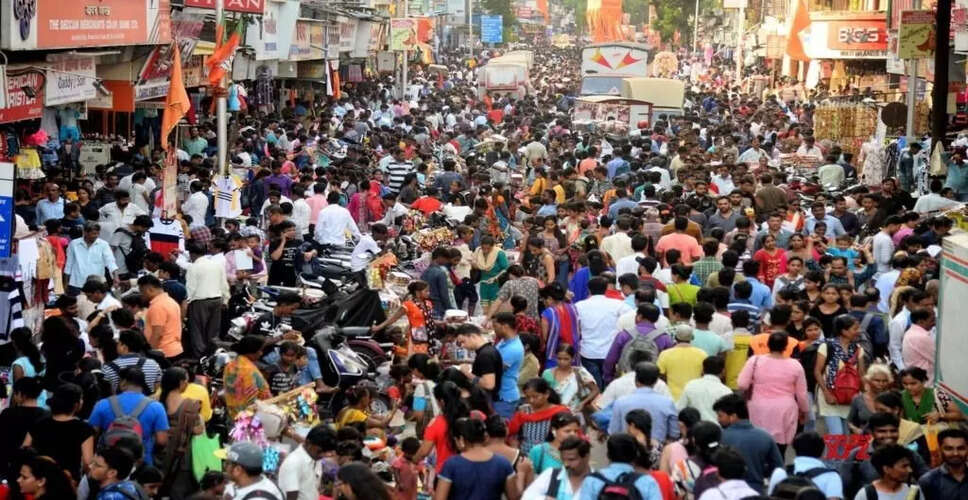
The Growing Urban Migration in India
The trend of moving from rural areas to cities in India, which began mainly after the country gained independence, has accelerated significantly in recent decades. This shift is largely driven by the fragmentation of agricultural land and rising unemployment in rural regions.
Experts are sounding alarms that India's urban population could increase by 70 million over the next two decades. Given that our urban areas are already struggling with overpopulation, the potential strain this influx could place on cities is concerning.
According to projections from the World Bank, by 2036, approximately 600 million people, or 40% of India's population, will reside in urban areas, up from 31% in 2011. Urban regions are expected to contribute nearly 70% to the nation's GDP. By 2050, this number could rise to 800 million, presenting a significant challenge that requires immediate planning and action.
While it is commendable for leaders to discuss aspirations of making India's economy the third largest globally, there exists a significant gap between these ambitions and the capabilities of urban local bodies. If this disconnect is not addressed, it could hinder economic growth and lead to a situation where a thriving economy coexists with a poor quality of life for many citizens.
To alleviate the impending pressure, experts advocate for empowering municipal corporations to tackle these challenges effectively. Building the necessary infrastructure to support this growth is essential, and collaboration with the private sector will be crucial.
The anticipated population increase will heighten the demand for housing, raising concerns that urban areas may see the proliferation of slums instead of proper residential neighborhoods. Transportation will also become a critical issue, necessitating the development of alternative rapid transit systems, particularly in rapidly growing cities like Guwahati.
It is encouraging that the Union Ministry of Housing recognizes this challenge and has established an Urban Challenge Fund aimed at facilitating this transformation. This fund will consist of 25% public sector seed funding, 50% market capital, and 25% state contributions.
However, simply revitalizing existing infrastructure, which seems to be the Ministry's immediate focus, will not suffice to accommodate such a substantial population increase. There will need to be expansion through the creation of new infrastructure and initiatives like developing satellite townships to effectively manage the pressure on urban areas.