
India's T20 World Cup 2026 Semifinal Hopes Dwindle After Loss to South Africa
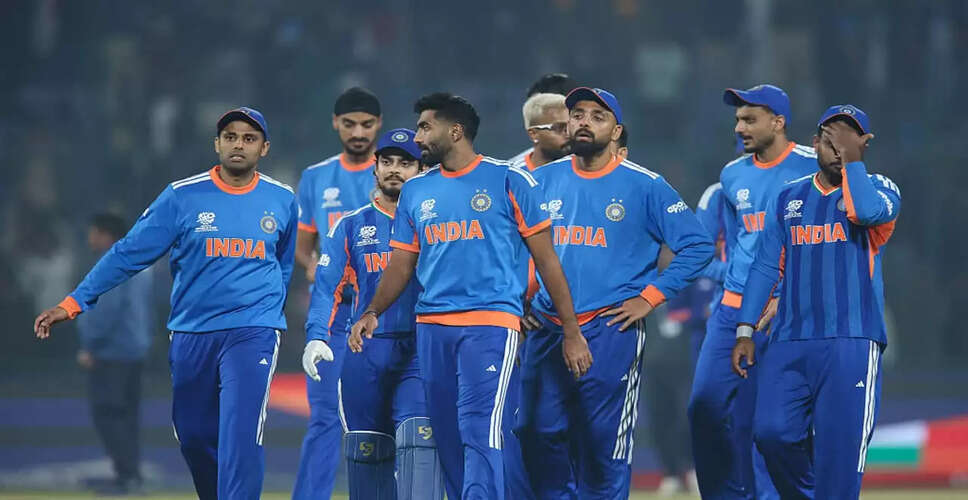
India's Semifinal Aspirations at Risk
India's aspirations for the T20 World Cup 2026 semifinals are hanging by a thread following a significant 76-run defeat to South Africa at the Narendra Modi Stadium in Ahmedabad on February 22. To remain in the competition, the team must secure victories in their upcoming Super 8 matches against Zimbabwe and the West Indies, while also hoping for South Africa to maintain their unbeaten streak.
Impact of Recent Defeats
The loss to South Africa, coupled with the West Indies' win over Zimbabwe, has severely impacted India's chances, causing their net run rate (NRR) to plummet to -3.888. This decline poses a significant challenge for the team as they strive to advance.
Critical Matches Ahead
With only two Super 8 matches left, India must not only win both but also enhance their NRR to keep their semifinal hopes alive. The team faces the urgent task of addressing several key issues to turn their campaign around.
Top Order Under Scrutiny
The performance of India's top order has come under intense scrutiny after Abhishek Sharma, Ishan Kishan, and Tilak Varma struggled against South Africa. While Abhishek's form has been a topic of discussion, Tilak's cautious batting approach has raised concerns about his ability to anchor the innings. Ishan Kishan, who had been in good form, also faltered, scoring just 18 and 0 in the last two matches.
Potential Changes in Batting Line-up
The management must decide whether to stick with the current top order or replace the out-of-form Abhishek Sharma with Sanju Samson to stabilize the powerplay. The coaching staff has hinted at possible changes in the playing XI, considering bringing back Samson, who previously played in the match against Namibia.
Bowling Woes in Middle Overs
A significant area of concern for Team India is their middle-overs bowling, which allowed South Africa to score freely. In the match against the Proteas, Indian bowlers conceded 111 runs for just two wickets during the middle overs (7 to 15), primarily due to a strong partnership between David Miller and Dewald Brevis. Varun Chakravarthy's performance was particularly disappointing, indicating a need for a reliable backup.
Statistics Highlighting Bowling Issues
Overall, India has conceded 319 runs and taken 14 wickets in the middle overs across five matches, averaging nearly 64 runs per match during this critical phase. To address these issues, India must either rotate their spinners effectively or consider using Varun Chakravarthy more selectively.
Struggles Against Spin Bowling
India's left-heavy batting order has struggled against off-spinners, with Abhishek Sharma and Tilak Varma finding it challenging to counter early spin. This weakness has allowed opponents to exploit variable bounce and variations, leading to early wickets and slowing India's momentum.
Tactical Adjustments Needed
In the Super 8 match against South Africa, India made tactical errors during their chase of 188 runs. After a poor start at 43/4, the decision to send Washington Sundar instead of a specialist batter like Rinku Singh proved detrimental. This highlights the need for a more strategic approach to their batting order.
Fielding Standards Must Improve
The saying 'catches win matches' rings true for Team India, as improving fielding standards is crucial. In the Super 8 match against South Africa, India’s fielding was subpar, with several misfields allowing the opposition to dominate. Throughout the group stage, India dropped nine catches, with their catching success rate reportedly falling below 70%, which is concerning for a top-tier T20 team.
Conclusion
To stay competitive in the tournament, India must enhance their fielding, reduce dropped catches, and improve overall catching techniques. Addressing these areas will be vital for supporting their bowlers and maintaining pressure on opponents.