
India's Strategic Navigation Through the Strait of Hormuz Amid Ongoing Tensions
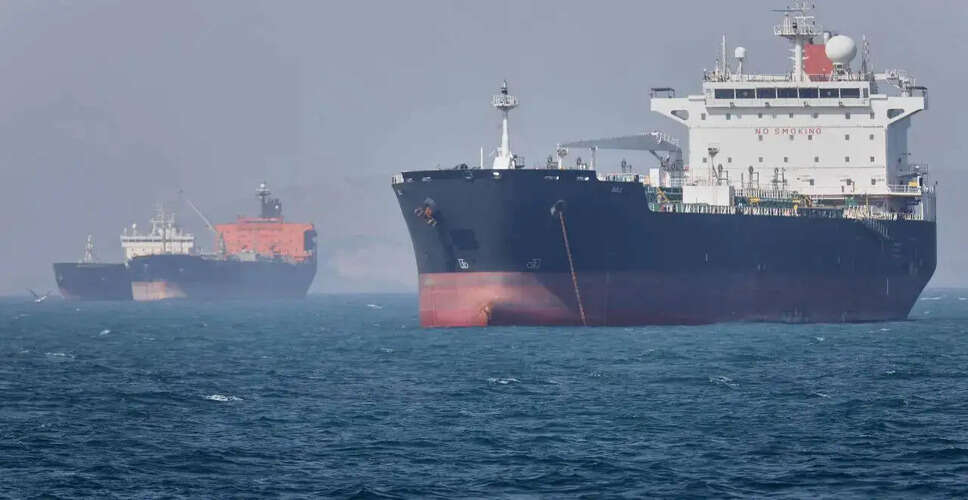

Navigating the Blockade in the Strait of Hormuz
For nearly three months, the Strait of Hormuz, a vital energy passage, has been under blockade. This critical route, linking Iran and Oman, is responsible for transporting approximately 20% of the world's oil and natural gas. The blockade has significantly impacted energy markets, leading to increased fuel prices. Although hostilities have subsided since the ceasefire on April 9 between Tehran and Washington, maritime traffic remains disrupted, with vessel movements still heavily impacted by the ongoing conflict.
Despite these challenges, several vessels linked to India have successfully navigated this high-risk area, ensuring that the country meets its energy demands amid widespread regional disruptions. This continued movement is particularly noteworthy given Iran's control over the Strait. However, the question arises: how has India managed to sustain its trade in light of Tehran's repeated targeting of vessels following the US-Israeli strikes on February 28, which escalated tensions and led many global shipping companies to steer clear of the route?
India's Coordination for Vessel Movement
How India Managed Vessel Movement?
During an inter-ministerial briefing, officials from the shipping ministry provided insights into India's strategy for maintaining vessel movement through the tense waters, although they refrained from sharing specific operational details. Opesh Kumar Sharma, Director (Shipping) at the Ministry of Ports, Shipping and Waterways, stated, "I cannot disclose how we coordinate with Iran and prioritize our operations for obvious reasons. However, we do coordinate through the Ministry of External Affairs, and that is our current approach."
Sharma explained that priorities for vessel movement are established in collaboration with ministries overseeing energy and essential supplies. He noted, "The prioritization process involves coordination with the Ministry of Petroleum and Natural Gas and the Ministry of Fertilisers. Based on these priorities, we develop a coordinated plan to facilitate ship movements."
Current Status of Indian Vessels in Hormuz
13 Indian Vessels Still In Hormuz
According to Sharma, there are currently around 13 Indian-flagged vessels operating in the Strait of Hormuz, which include one LPG tanker, five crude oil tankers, one chemical or product tanker, three container ships, two bulk carriers, and one dredger. Despite the risks, India has managed to sustain maritime traffic through this route, maintaining a significant presence among the countries with the highest number of vessels transiting the Strait.
India's ability to continue its trade is remarkable, especially considering that ship movements through Hormuz have drastically decreased since Iran's retaliation against the US-Israeli strikes, prompting many global shipping operators to avoid the area due to escalating tensions.