
India's Shift to Electric Cooking Amidst LPG Crisis
Crisis in LPG Supply Due to Ongoing Conflict
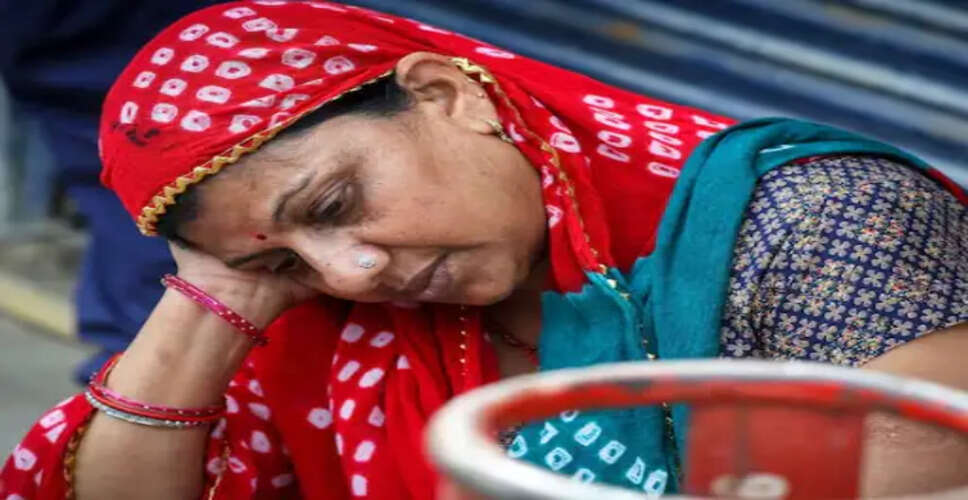
The ongoing conflict in Iran has led to a significant shortage of cooking gas cylinders, leaving many individuals in distress. With no end to the war in sight, the government has initiated Plan B, which aims to transform the cooking landscape across the nation. The objective is to phase out gas cylinders from kitchens and replace them with electric cooking appliances. High-level meetings have been conducted with companies to ramp up production immediately.
According to sources, a recent high-level meeting was convened under the directive of Prime Minister Narendra Modi, involving the DPIIT Secretary, the Secretary of Power, and the Director General of Foreign Trade. The primary focus of this meeting was to significantly increase the production of induction heaters and other electric cooking devices. The government aims to minimize reliance on cooking gas (LPG) to mitigate the impact of fluctuations in crude oil prices on Indian households.
The escalating crisis in West Asia has compelled India to reassess its energy strategy. Experts warn that if the conflict between Israel and Iran prolongs, it could disrupt supply chains, leading to a shortage of LPG. Government sources emphasize the need to be prepared for any future challenges. Even if the war extends for years, Indian kitchens should remain operational.
The shortage of gas has resulted in a surge in demand for products like induction heaters and electric kettles. The government intends to boost production to ensure these items are available at affordable prices while maintaining high quality. Reports suggest that the government is also considering special incentives for traders to facilitate this transition.
Impact of Induction on Demand
Currently, millions of households in India rely on LPG. If every home adopts an induction stove, it would mark a significant revolution in cooking practices. India imports approximately 50-60% of its LPG needs. Increased use of induction cooking could save billions of dollars on import bills.
An average family consumes one cylinder per month. Transitioning to induction cooking is expected to reduce cooking costs by 20% to 30%. The government aims to decrease the demand for cooking gas by at least 25% within the next 2-3 years, leading to substantial savings on gas bills.
Is Our Electricity Supply Ready?
The pressing question is whether our electricity supply can meet this demand. The answer is affirmative! India is not only self-sufficient in electricity production but is also moving towards surplus capacity. Under the 'PM Solar Home Free Electricity Scheme,' solar panels are being installed on millions of rooftops, making induction cooking virtually free.
According to the Ministry of Power, our national grid is now capable of handling induction loads even during peak evening hours. India possesses ample coal reserves for electricity generation and leads the world in renewable energy capacity (solar and wind).
Preparedness for Cylinder Alternatives
This government strategy is not merely a necessity but a forward-thinking approach. Compared to the time and cost involved in laying gas pipelines, electrical wiring is already present in every home. If the government succeeds in increasing the production of induction heaters and reducing their prices, the anxiety over gas cylinders could soon become a thing of the past. Regardless of how long the conflict in the Middle East lasts, India is ready with its 'electric shield'!