
India's Progress in E-Waste Management Under Make in India Initiative
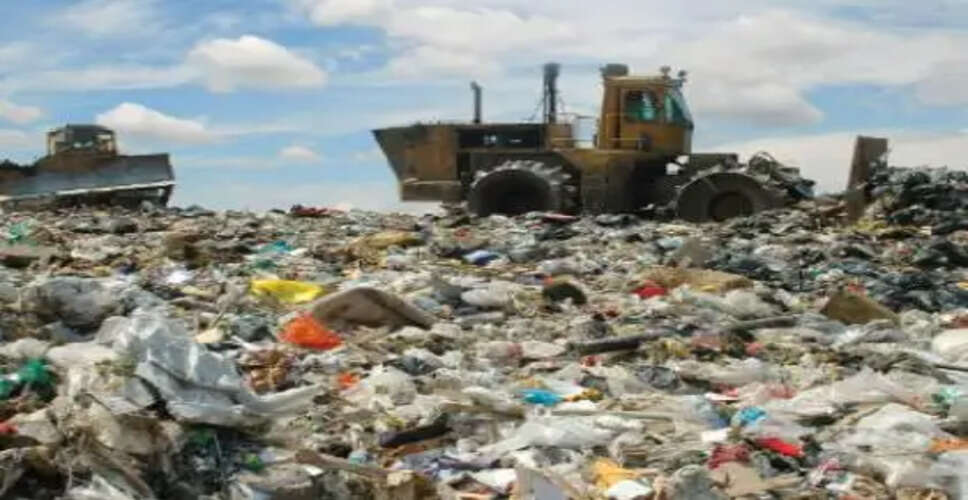

Addressing the Growing E-Waste Challenge
The issue of electronic waste (e-waste) is escalating in India, prompting significant advancements under the government's 'Make in India' initiative. The country is rapidly enhancing its e-waste management and recycling capabilities, marking a substantial achievement in environmental conservation and sustainable development.
The Rising E-Waste Problem
In recent years, there has been a dramatic increase in the use of electronic devices in India. The growing consumption of mobile phones, computers, televisions, and other gadgets has led to a corresponding rise in e-waste. Experts warn that if this waste is not managed properly, it poses serious risks to both the environment and human health.
Recognizing this challenge, there has been a long-standing need to strengthen the e-waste management system in the country.
New Solutions from Make in India
Under the 'Make in India' campaign, there is now a focus not only on the production of electronic goods but also on their safe disposal and recycling. Collaborations between the government and private sectors are fostering the development of new technologies and facilities for the scientific processing of e-waste.
This initiative aims not just to boost production but also to reinforce the 'use and recycle' model, promoting better resource utilization.
Boosting the Recycling Sector
Through e-waste recycling, valuable metals such as gold, copper, and silver can be extracted from old electronic items. This not only reduces environmental harm but also creates economic opportunities.
Modern recycling plants are being established across the country, where technology is employed to ensure the safe disposal of e-waste.
Economic and Employment Benefits
The e-waste management sector is emerging as a new area for job creation. Opportunities are arising in collection, processing, recycling, and logistics. Experts believe that in the coming years, this sector could become a vital component of India's green economy.
Government's Strict Policies
The government has implemented Extended Producer Responsibility (EPR) regulations for companies manufacturing electronic devices, making them accountable for the disposal of their products' waste. This is aiding in the systematic management of e-waste.
Conclusion
India's initiative under the 'Make in India' program towards e-waste solutions is not only a significant achievement in environmental protection but also propels the nation towards self-reliance and sustainable development. In the future, this effort could position India as a global model in e-waste management.