
India's Potential Re-Engagement with Iranian Oil Amid US Sanctions Easing
Introduction
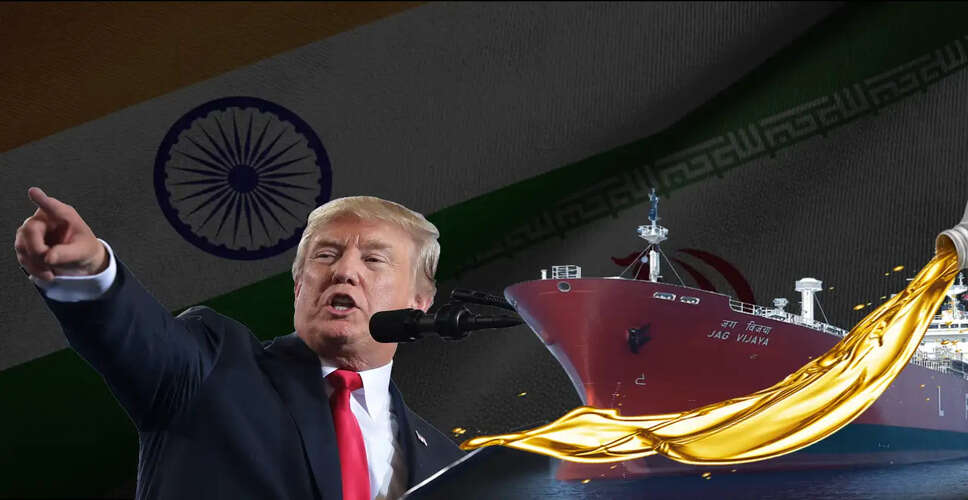
India may soon have a new chance to access Iranian crude oil, as indications emerge from the Trump administration about a possible temporary relaxation of sanctions aimed at addressing rising global energy prices. The ongoing tensions between the US, Israel, and Iran have unsettled oil markets, driving Brent crude prices near $120 per barrel. In response, the US is considering measures to enhance supply and stabilize prices.
US Sanctions and Iranian Oil
US Treasury Secretary Scott Bessent mentioned that the administration is contemplating lifting sanctions on Iranian oil shipments that are currently at sea, which are estimated to be around 140 million barrels. These cargoes, primarily destined for China, could be made available in the market within a matter of days. Bessent noted, “We may unsanction Iranian oil that’s already on the water… roughly 10 to 14 days of supply,” suggesting that this action could help alleviate prices in the short term.
Current Energy Market Dynamics
Why This Matters Now
The energy sector has been volatile following Iran's recent attack on Qatar’s largest LNG facility and its threats to target broader regional infrastructure. This situation has disrupted shipping routes through the Strait of Hormuz, a vital passage that carries nearly 20% of the world's oil and LNG supplies. For India, this poses a significant risk, as approximately 35–40% of its crude imports transit through this route, directly impacting energy security.
Implications for India
What It Means for India
Since mid-2019, India has refrained from importing Iranian oil due to the full implementation of US sanctions. During this period, India has diversified its oil sources, notably increasing its purchases of discounted Russian crude. Reports indicate that India acquired around 30 million barrels of Russian oil within a week following the escalation of the latest conflict. Should the US proceed with easing restrictions on Iranian oil in transit, India could swiftly re-enter the market. Analysts believe Indian refiners are well-equipped to process Iranian grades, having done so extensively in the past. At its peak, Iranian oil constituted about 11.5% of India's total crude imports.
Possibility of Rapid Import Increase
Can India Ramp Up Imports Quickly?
Market experts affirm that technically, Indian refiners can seamlessly integrate Iranian crude into their supply chain due to their previous experience and compatible refinery setups. There is also no shortage of supply, with estimates indicating that nearly 170 million barrels of Iranian oil are currently in transit or in floating storage. However, the critical question lies not in capability but in the prevailing conditions.
Challenges Ahead
The Key Roadblocks
For a significant return of Iranian oil to India, several factors must be addressed:
Clarity on sanctions relief: Is the easing temporary or long-term?
Shipping and insurance: Will global firms be permitted to participate?
Payment mechanisms: Can transactions occur without restrictions?
Pricing advantage: Will Iranian crude be competitively priced?
A US decision to “unsanction” Iranian oil at sea could provide immediate relief to global markets and a strategic opportunity for India. However, whether this leads to a sustained supply shift will depend more on geopolitical dynamics, pricing, and the specifics of the sanctions.