
India's Nuclear Energy Bill Passed Amid Controversy
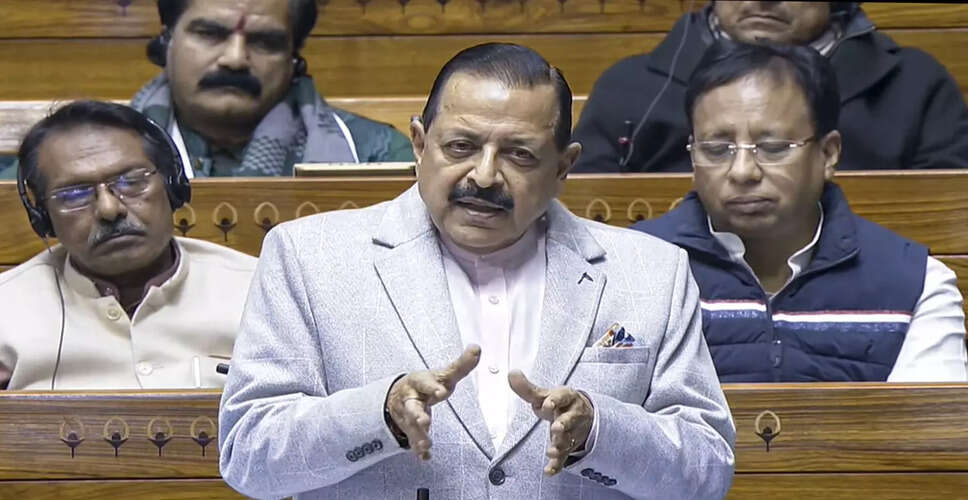
Lok Sabha Approves SHANTI Bill
New Delhi, Dec 17: The Lok Sabha has successfully passed the nuclear energy bill, with Union Minister Jitendra Singh emphasizing its potential to help India reach a target of generating 100 GW of atomic energy by the year 2047.
The Sustainable Harnessing and Advancement of Nuclear Energy for Transforming India (SHANTI) Bill aims to open the previously restricted civil nuclear sector to private investment. The bill was approved through a voice vote, despite the Opposition staging a walkout.
Singh described the legislation as a "milestone" that will steer the nation towards a new developmental path.
He stated, "India's influence in global geopolitics is on the rise. To be a significant player, we must adhere to international standards and strategies. The global shift towards clean energy is evident, and we have set our sights on achieving 100 GW of nuclear energy capacity by 2047."
Opposition members argued that the bill undermines the Civil Liability for Nuclear Damage Act of 2010, which places liability for nuclear incidents on equipment suppliers.
During the debate, Opposition MPs advocated for the bill to be reviewed by a parliamentary committee for broader discussions, while ruling coalition members expressed strong support, asserting that it would enhance the country's energy independence.
BJP member Shashank Mani highlighted that the bill would benefit all Indians, noting that the United States, the largest energy consumer globally, derives 30% of its energy from nuclear sources, with 80% of that coming from the private sector.
He praised the allocation of Rs 20,000 crore in the previous budget for Small Modular Reactors (SMR), asserting that the bill would facilitate the development of modern nuclear energy infrastructure that meets international standards.
Conversely, Samajwadi Party member Aditya Yadav criticized the bill, claiming it would favor foreign companies at the expense of national interests.
Yadav remarked, "This is an invitation for US and French companies. If you are liberalizing the nuclear sector for foreign entities, what happens to your Make In India initiative?"
He accused the Modi administration of attempting to appease the Trump administration and reduce tariffs imposed by the United States on India.
DMK member Arun Nehru called for the bill to be sent to a Joint Parliamentary Committee, warning that power costs tend to rise by 25% when private companies are involved.
He referenced past nuclear accidents in Japan and Russia, urging the government to exercise extreme caution in establishing nuclear power facilities.
Echoing Nehru's concerns, NCP member Supriya Sule questioned the government's decision to limit supplier liability, emphasizing that no supplier should be granted immunity.
Sule praised the Nuclear Power Corporation of India Limited for its strong safety record and questioned the assurance that private entities would maintain the same level of diligence as NPCIL.