
India's HAL Develops Advanced Drone for Modern Warfare
Emergence of Drones in Modern Conflicts
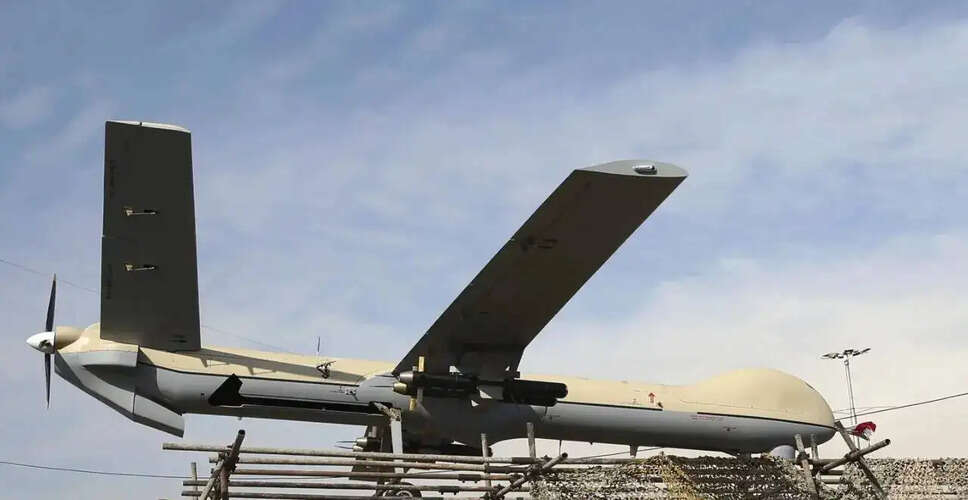
In contemporary warfare, drones have become pivotal, utilized extensively in conflicts such as the ongoing war between Ukraine and Russia, as well as Iran's confrontations with the United States and Israel. Hindustan Aeronautics Limited (HAL) is in the process of developing a drone that surpasses the capabilities of the Iranian Shahed, designed for both reconnaissance and strike missions, as stated by Dr. DK Sunil, HAL's chairman and managing director.
HAL's Ambitious Drone Project
Dr. Sunil highlighted that HAL is focused on creating a 'larger bird' drone, which will be more substantial than the compact Shahed model. Meanwhile, several private Indian companies are exploring the production of smaller drones. The Indian Army has committed to enhancing its drone capabilities, equipping infantry battalions with these aerial vehicles to bolster tactical reconnaissance. The armed forces currently utilize the Israeli Heron and Search II drones, and a deal for 31 MQ-9 drones has already been finalized. This new dual-use drone will soon be available for military operations.
The Shift Towards Drone Warfare
The significance of drone warfare was notably highlighted during the 2023 Armenia-Azerbaijan conflict, where Azerbaijan effectively deployed armed drones. In the ongoing Russia-Ukraine war, Russia has also utilized Iranian Shahed 136 drones, which weigh approximately 200 kg and can travel around 2,000 km while carrying a 50 kg warhead. These drones are relatively affordable, costing around $50,000, whereas interceptor missiles can be significantly more expensive. Ukraine has gained valuable experience in deploying armed drones and counter-drone technologies, which have transformed the dynamics of warfare on the ground. Recently, Ukrainian drones have targeted Russia's strategic bomber fleet, inflicting considerable damage. Additionally, Iran has employed armed drones against Israel, Gulf nations, and oil tankers in the Persian Gulf.
In response to these developments, India is accelerating its drone technology advancements, aiming to create more sophisticated, AI-driven drones that could exceed a range of 1,000 km and carry payloads of 25-40 kg.