
India's GST Collection Surges Over Rs 2 Lakh Crore for May 2025
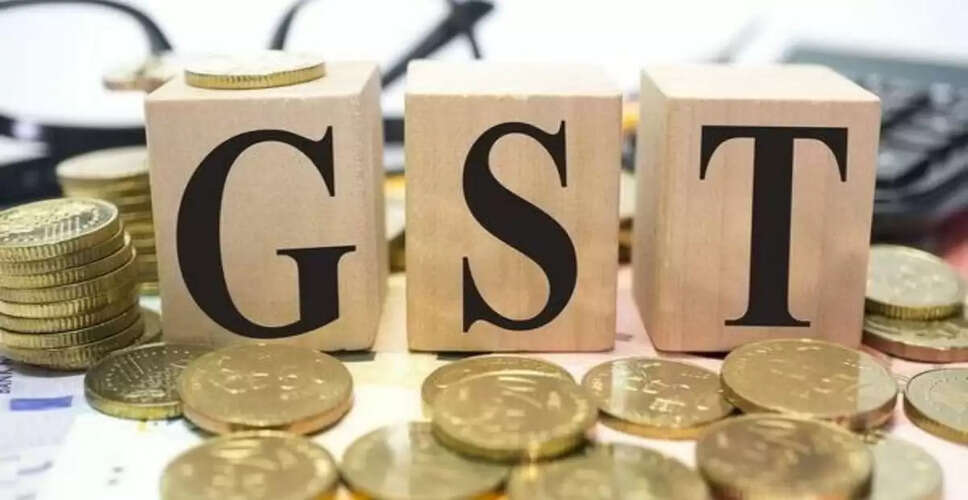
Significant Growth in GST Collections
According to official statistics released on Sunday, India's Goods and Services Tax (GST) revenue for May 2025 increased by 16.4%, reaching Rs 201,050 crore. This marks the second consecutive month that GST collections have exceeded the Rs 2 lakh crore threshold.
In comparison, the GST collections for May 2024 were Rs 172,739 crore. The month of May saw year-on-year growth in collections across CGST, SGST, IGST, and cess.
For the period of April to May 2025-26, total GST collections amounted to Rs 4,37,767 crore, reflecting a 14.3% rise from Rs 383,006 crore during the same timeframe last year. The total GST collection for the fiscal year 2024-25 was recorded at Rs 22 lakh crore, which is a 9.4% increase compared to the previous year.
In the financial year 2023-24, the gross GST collection reached Rs 20.18 lakh crore, marking an 11.7% growth.
Insights into GST Collection Trends
The latest GST figures indicate a positive trend for India's economy, highlighting strong domestic consumption and active import activities. These results are promising for the nation's fiscal stability and economic recovery, showcasing resilience in the face of global challenges.
The Goods and Services Tax was implemented in India on July 1, 2017, with assurances to states for compensation against any revenue losses due to GST implementation, as outlined in the GST (Compensation to States) Act, 2017, for a duration of five years.
Several essential items, including hair oil, toothpaste, soap, detergents, wheat, rice, curd, lassi, buttermilk, wristwatches, televisions up to 32 inches, refrigerators, washing machines, and mobile phones, have seen significant reductions in GST rates or have been exempted, benefiting consumers across the country.
The GST Council, which includes the Union Finance Minister as its Chairman and Finance Ministers from all states, has been instrumental in these developments. The most recent GST Council meeting took place on December 21 in Jaisalmer, Rajasthan.