
India's Groundbreaking HPV Vaccination Initiative: Aiming to Eradicate Cervical Cancer
Nationwide HPV Vaccination Program Set to Launch
New Delhi: In a significant move towards the elimination of preventable cancers in women, the Union government is preparing to launch a comprehensive human papillomavirus (HPV) vaccination initiative aimed at girls aged 14, as confirmed by official sources on Tuesday.
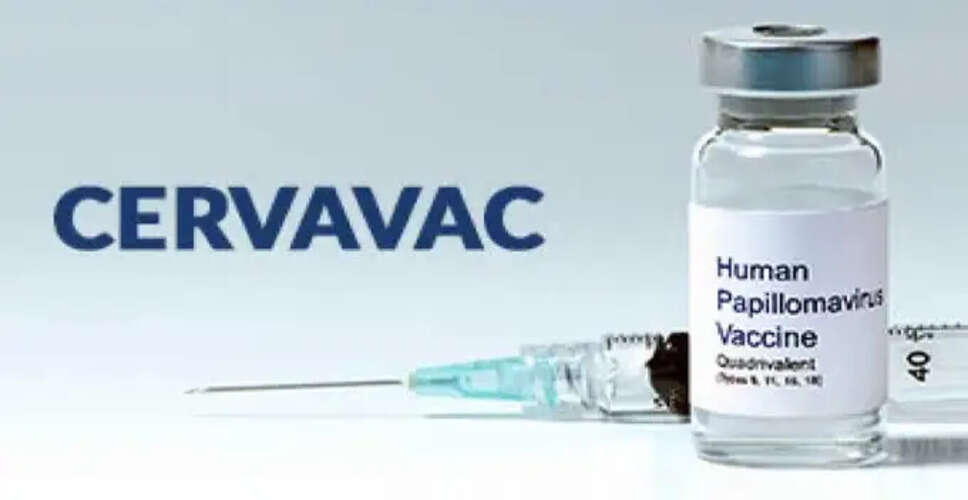
The vaccination program will utilize the Gardasil vaccine, which is a single-dose quadrivalent option that protects against HPV types 16 and 18, known to cause cervical cancer, along with types 6 and 11.
This initiative will be a special campaign distinct from the government's Universal Immunisation Programme, aligning with the World Health Organisation's guidelines that emphasize HPV vaccination as a key strategy in the Global Strategy to Eliminate Cervical Cancer.
An official source stated, "Robust scientific evidence from both global and Indian studies indicates that a single dose offers strong and lasting protection when given to girls in the recommended age range."
The program will specifically target 14-year-old girls, as this age is optimal for receiving the HPV vaccine before potential exposure to the virus.
In the commercial market, the Gardasil-4 vaccine is typically administered in two doses, each priced at Rs 3,927 for girls under 15. For those over 15, three doses are necessary. The vaccine is produced by MSD India.
"Vaccination through the national initiative will be voluntary and free, ensuring that all socio-economic groups have equal access. By focusing on prevention at the right age, this program aims to provide lifelong protection and significantly lessen the future incidence of cervical cancer in India," the source added.
The vaccine boasts an impressive safety profile, with over 500 million doses administered globally since its launch in 2006. This widespread vaccination has led to notable declines in HPV infections, precancerous lesions, and cervical cancer rates in various countries.
With the introduction of this vaccination program, India will join 160 nations that have incorporated HPV vaccination into their national immunization strategies. Currently, more than 90 countries are implementing single-dose HPV vaccination protocols.
HPV vaccines are among the most thoroughly researched vaccines globally, demonstrating 93 to 100 percent effectiveness in preventing cervical cancer caused by the HPV types covered by the vaccine.
"The upcoming nationwide rollout of the vaccination initiative marks a pivotal achievement towards realizing the vision of 'Swastha Nari', ensuring that prevention, protection, and equity are fundamental aspects of women's healthcare in the nation," an official source remarked.
Data indicates that cervical cancer is the second most prevalent cancer among women in India, with approximately 80,000 new cases and over 42,000 deaths occurring each year.
Scientific research shows that nearly all cervical cancer cases stem from persistent infections with high-risk HPV types, particularly types 16 and 18, which account for over 80 percent of cervical cancer cases in India.
Despite being largely preventable through vaccination and early detection, cervical cancer continues to place a significant burden on women and their families.
The new vaccination initiative directly addresses this issue by preventing HPV infections before they can develop into cancer. The campaign will be conducted at designated government health facilities, including Ayushman Arogya Mandirs (Primary Health Centres).
All vaccination locations will be connected to 24/7 government health facilities, ensuring immediate medical assistance and enhancing safety and parental confidence.
To guarantee consistent availability and high quality, the government has secured HPV vaccine supplies through a transparent, globally supported procurement process, according to another official source.
Through its partnership with Gavi – The Vaccine Alliance, high-quality Gardasil vaccines, which have been approved by India's drug regulator and are widely used internationally, will be available for the national program.
"Parents and guardians nationwide are encouraged to ensure that their 14-year-old daughters receive the HPV vaccine once the program is launched," the source concluded.