
India's Firm Stance in Multinational Meeting on Strait of Hormuz Amid Escalating Conflict
In a recent multinational meeting led by the UK, India has firmly asserted its position regarding the reopening of the Strait of Hormuz, a crucial maritime route amid escalating tensions in West Asia. Represented by Foreign Secretary Vikram Misri, India highlighted its significant losses in the region and stressed the importance of diplomatic solutions to the ongoing conflicts. The meeting, which included over 60 countries, aimed to ensure stability in vital energy corridors. India's proactive engagement with regional players, including Iran, showcases its commitment to maintaining safe shipping routes while balancing its energy security interests. This article delves into India's strategic role and its diplomatic efforts in the face of rising geopolitical challenges.
| Apr 3, 2026, 11:26 IST
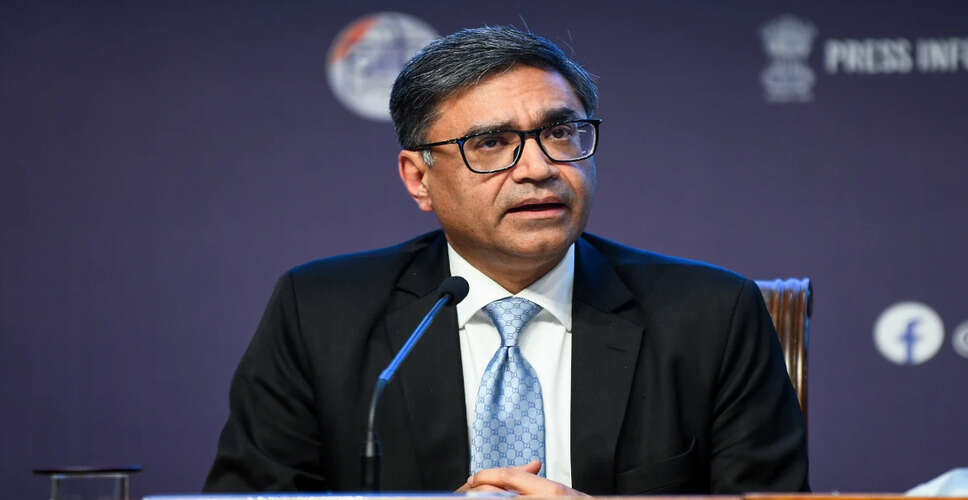
India's Position on the Strait of Hormuz
In light of the intensifying conflict in West Asia, India has taken a strong and clear stance during a multinational meeting convened by the UK to discuss the reopening of the strategically vital Strait of Hormuz. India reminded the global community that it is among the nations most affected by this crisis, having lost its citizens in attacks on this crucial maritime route.
The Ministry of External Affairs (MEA) emphasized the importance of the principles of freedom of maritime navigation.
India was represented by Foreign Secretary Vikram Misri at this virtual meeting, which saw participation from over 60 countries. He reiterated India's official position that diplomacy is the most effective means to resolve the ongoing conflicts in the Middle East.
According to the MEA, "He stressed that the way out of this crisis is to reduce tensions and return to diplomacy and dialogue among all concerned parties." The Ministry also highlighted that Misri pointed out the impact of this crisis on India's energy security, noting that India is the only country that has lost sailors in attacks on commercial vessels in the Gulf region.
India's Engagement with Regional Players
India Maintains Contact with Iran and Other Nations
This meeting, led by the UK, took place at a time when various nations are enhancing coordination to ensure stability in one of the world's most critical energy corridors. The MEA stated that India is also in contact with regional players in the Middle East, including Iran, to keep shipping routes open.
MEA spokesperson Randhir Jaiswal addressed a press briefing before the summit, stating, "We are in touch with Iran and other countries to ensure uninterrupted and safe passage for our vessels." He mentioned that the results of this outreach are already beginning to materialize.
According to reports, Jaiswal noted, "Through our discussions in recent days, six of our Indian vessels have successfully navigated the Strait of Hormuz safely, and we remain in constant contact with the relevant parties." Iran has exercised considerable caution in enforcing its blockade in the Strait, and India is among the few countries whose cargo vessels carrying fuel have been allowed to pass through this strategic waterway amid the ongoing conflict in the region.
The MEA also dismissed reports regarding toll-like arrangements for Indian-flagged vessels passing through the Strait.
Absence of the United States in the Meeting
US Not Part of the Meeting
The meeting convened by the US did not include American participation. This occurred after President Donald Trump made it clear that he does not believe securing this waterway, which has been disrupted due to US-Israel attacks on Iran, is Washington's responsibility.
This leader has also criticized America's European allies for failing to support the war and reiterated threats to withdraw the US from the North Atlantic Treaty Organization (NATO).
According to UK Foreign Secretary Yvette Cooper, the aim of these discussions was to demonstrate "the strength of our international resolve" to reopen the Strait of Hormuz.
As reported by the Associated Press, she stated at the beginning of the meeting, "We have seen Iran hijack an international shipping route to hold the global economy hostage." The British Foreign Minister noted that the "volatile" increase in oil and food prices is affecting households and businesses worldwide.
India's approach clearly indicates that it prioritizes its energy security and the interests of its citizens over supporting any single side. While Western nations exert pressure on Iran, India has successfully introduced a balancing act by ensuring safe passage for its vessels through dialogue.