
India's Firm Stance Against Nuclear Blackmail from Pakistan
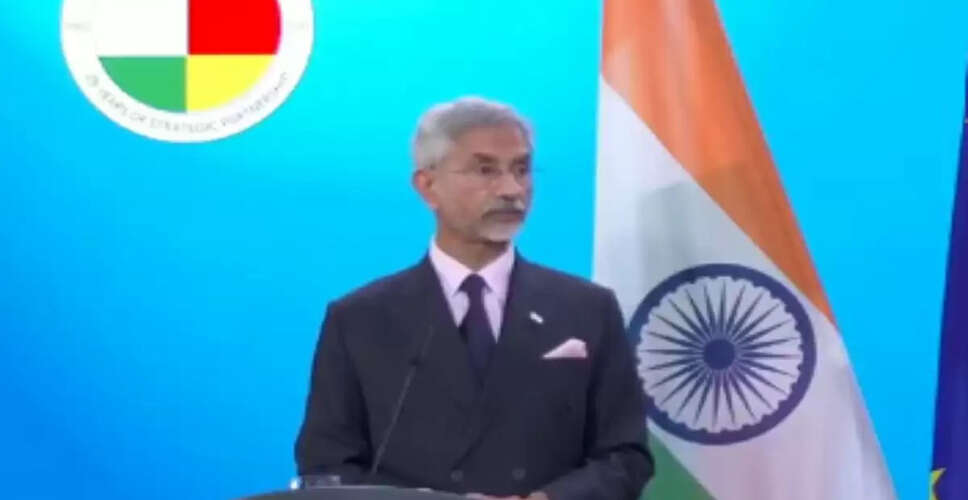
Jaishankar's Strong Message in Berlin
On Friday, External Affairs Minister S. Jaishankar reaffirmed India's position, emphasizing that the nation will not succumb to 'nuclear blackmail' from Pakistan. He insisted that all interactions with the neighboring country should strictly follow 'bilateral' channels, clarifying that there should be no ambiguity on this matter.
Jaishankar's remarks followed India's military response to the terror attack in Pahalgam on April 22, which resulted in the deaths of 26 individuals. During a joint press conference with German Foreign Minister Johann Wadephul, he reiterated India's 'zero tolerance' policy towards terrorism, stating, 'I arrived in Berlin shortly after India responded to the Pahalgam attack. India has a firm stance against terrorism. We will not yield to nuclear threats and will engage with Pakistan solely through bilateral means. It is crucial that there is no misunderstanding regarding this.' He also acknowledged Germany's recognition of every nation's right to defend itself against terrorism.
Support from Germany
Wadephul expressed his dismay regarding the Pahalgam attack, affirming that India has every right to protect itself from terrorism. He stated, 'We were horrified by the brutal attack on civilians in India on April 22. We condemn this act in the strongest possible terms and extend our deepest condolences to the victims and their families. Following military actions from both sides, India certainly has the right to defend itself against terrorism.'
Importance of Maintaining Truce
However, Wadephul emphasized the necessity of maintaining a truce to facilitate dialogue and find bilateral solutions between India and Pakistan. He remarked, 'We greatly appreciate the current truce. It is essential that this ceasefire remains stable to allow for dialogue aimed at resolving the conflict, considering the vital interests of both nations. Germany and India have been engaged in ongoing discussions regarding the fight against terrorism for years, and we aim to enhance this collaboration further.'