
India's Drug Regulator Enhances Oversight on Cough Syrup Manufacturers
Strengthening Pharmaceutical Quality Control
The Central Drugs Standard Control Organisation (CDSCO) has conducted inspections on approximately 90% of cough syrup manufacturers across India, revealing several compliance issues, as stated by Rajeev Raghuvanshi, the Drugs Controller General of India, on Monday.
During his address at the Global Pharmaceutical Quality Summit held in Mumbai, Raghuvanshi mentioned that both state and central regulators are auditing manufacturing sites under updated good manufacturing practices and requirements.
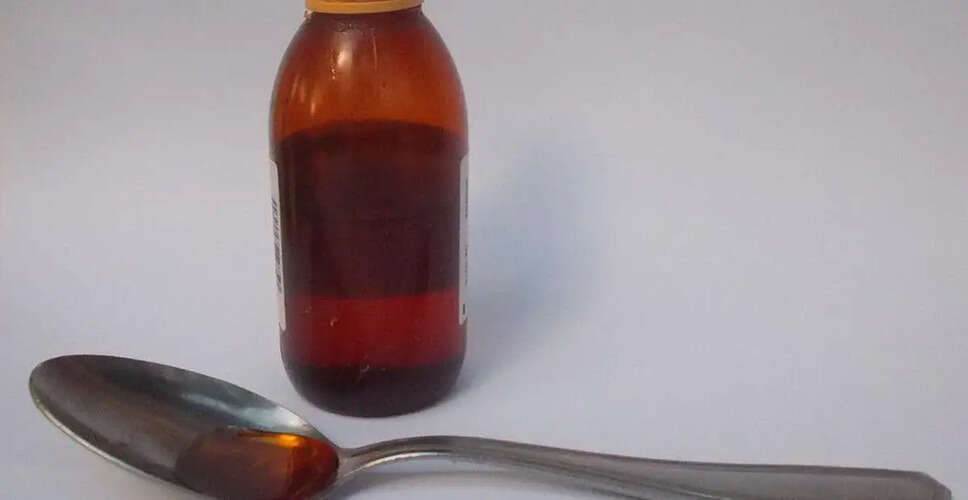
These remarks follow a tragic incident where a cough syrup tainted with diethylene glycol was linked to the deaths of 25 children. The syrup, known as Coldrif, was produced by Sresan Pharmaceuticals located in Kancheepuram, Tamil Nadu.
The fatalities, which began on September 2, were reported in Madhya Pradesh and Rajasthan. Several affected children had taken the Coldrif syrup while suffering from fever and cold, leading to symptoms such as vomiting and difficulty urinating.
In light of cough syrups produced in India being associated with the deaths of over 140 children in Africa and Central Asia since 2022, the CDSCO has faced increased pressure to enhance its regulatory oversight of the $42 billion pharmaceutical sector.
At the summit, Raghuvanshi noted that there are over 1,300 cough syrup manufacturers in the country. He stated, “To date, we have physically audited 1,250 of these manufacturers, and through risk-based inspections, we have taken stringent actions against serious non-compliances.”
He expressed optimism, saying, “We believe that the issues surrounding cough syrup manufacturing will be resolved by the next season, eliminating the current problems.”
Additionally, Raghuvanshi revealed that approximately 850 Corrective and Preventive Action (CAPA) notices have been issued to companies producing substandard products. These notices serve as regulatory measures when products fail to meet quality standards during inspections or audits.
“None of the unsatisfactory CAPA responses have been accepted,” he added. The Drugs Controller General emphasized that product recalls are mandatory in cases of quality failures, with enforcement actions potentially leading to the suspension or cancellation of product licenses and the closure of facilities until issues are rectified.