
India's Diplomatic Efforts Amid Escalating Tensions in West Asia
Strengthening Diplomatic Ties in a Crisis
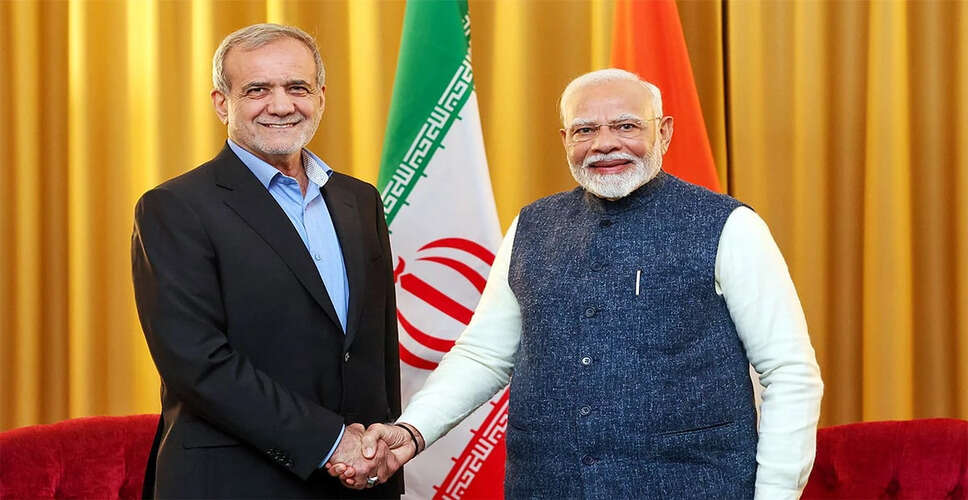
In light of the rapidly deteriorating situation in West Asia, India's diplomatic stance has once again emerged robustly. Prime Minister Narendra Modi engaged in direct discussions with Iranian President Masoud Pezeshkian, emphasizing that India is not merely a bystander in this crisis. Instead, the nation is actively involved in safeguarding its citizens, ensuring energy security, and contributing to global stability. This conversation took place during a time when conflicts in the region are escalating, posing threats to oil supplies via maritime routes.
Concerns Over Violence and Civilian Safety
During the talks, Prime Minister Modi expressed deep concern regarding the rising violence, civilian casualties, and damage to infrastructure. He reiterated that the foremost priority for India is the safety of its citizens and the uninterrupted supply of energy and goods. This statement reflects the strategic thinking that currently guides India's foreign policy. A critical aspect of the West Asia crisis is the Strait of Hormuz, a vital maritime route through which a significant portion of the world's oil is transported, including a substantial share of India's energy needs. Disruptions in this route could directly impact India's economy, industries, and the general populace, prompting New Delhi to view this crisis as a matter of national security and economic stability.
Active Engagement with Regional Leaders
It is noteworthy that Prime Minister Modi has recently maintained communication with top leaders from countries such as the United Arab Emirates, Saudi Arabia, Qatar, Kuwait, Oman, Bahrain, and Jordan. This proactive diplomacy indicates India's efforts to maintain balance in the region. While condemning attacks on Gulf nations, India has also avoided direct confrontations with any party involved. This balance has become a significant strength of India's foreign policy.
Role of External Affairs Minister
External Affairs Minister S. Jaishankar has played a crucial role in managing this strategy. Following the onset of the crisis, he has engaged in multiple discussions with his Iranian counterpart, addressing issues such as maritime security, oil supply, and the safety of Indian citizens. Jaishankar's diplomatic approach aims to prevent India from being ensnared in any geopolitical faction while prioritizing Indian interests in all situations.
Concerns for Indian Mariners
Currently, the situation of Indian sailors and vessels in the Gulf region is a significant concern. Numerous Indian-flagged ships are operating in the Persian Gulf, employing hundreds of Indian sailors. Recent incidents involving the deaths and injuries of some Indian mariners have highlighted the severity of the risks involved. The Indian government is closely monitoring the situation, ensuring the safety of every ship and sailor.
India's Stance on International Platforms
Additionally, India has clarified its position on international platforms. By supporting a resolution condemning attacks on Gulf nations in the United Nations Security Council, India has signaled its commitment to regional stability. The country has also reiterated its call for solutions through dialogue and diplomacy.
A Multi-faceted Diplomatic Approach
While the opposition may question the government's foreign policy, the reality on the ground tells a different story. The Modi administration has successfully maintained strong ties with countries like the United States and Israel while keeping communication channels open with Iran and Gulf nations. This multi-layered diplomacy is establishing India as a responsible and influential power on the global stage.