
India's Call for Peace: Jaishankar Urges Dialogue Amid West Asia Tensions
India's Diplomatic Stance on West Asia Conflict
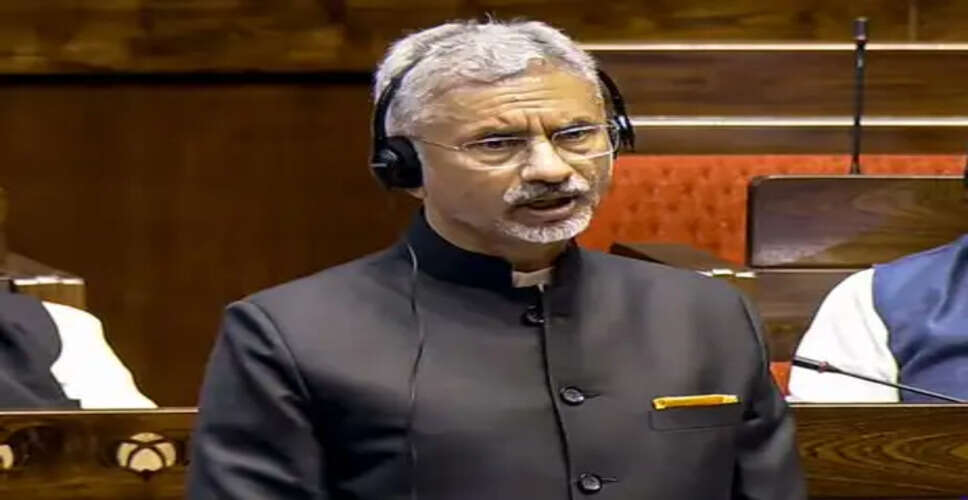
New Delhi: External Affairs Minister S. Jaishankar emphasized India's commitment to de-escalation and the importance of returning to diplomatic discussions regarding the escalating conflict in West Asia. He highlighted the need to respect the sovereignty and territorial integrity of all nations involved.
In a statement addressing the crisis that erupted on February 28, following military actions by the US and Israel against Iran, which led to Iranian retaliation, Jaishankar reaffirmed that the safety of Indian citizens and national interests, particularly in energy security and trade, are the government's top priorities.
Jaishankar reiterated India's stance for peace, advocating for restraint and the protection of civilian lives. He stated that the well-being of the Indian diaspora in the region is crucial, and the government will always prioritize national interests.
Expressing deep concern, Jaishankar urged all parties to exercise caution, avoid further escalation, and focus on civilian safety. He stressed that dialogue and diplomacy are essential for resolving the ongoing crisis while respecting the sovereignty of all states involved.
As opposition members staged a walkout demanding a discussion on the matter, Jaishankar assured that the government is vigilantly monitoring the situation and has implemented various measures to ensure the safety of Indian nationals and protect strategic interests.
The recent hostilities, which began on February 28, have resulted in clashes between Israel and the US on one side and Iran on the other, leading to attacks on several Gulf nations and significant casualties, including among Iranian leaders.
Jaishankar noted that the Cabinet Committee on Security convened on March 1, chaired by Prime Minister Narendra Modi, to assess the implications for regional security, economic activities, and the safety of the large Indian community in the Gulf.
With nearly 10 million Indians residing and working in Gulf countries, and thousands in Iran for education or employment, regional stability is vital for India. The Gulf region is also critical for India's energy security and trade, accounting for approximately USD 200 billion in commerce.
The minister mentioned that Indian seafarers have been affected by attacks on merchant vessels, with casualties reported and one Indian mariner still unaccounted for.
Since January, the government has issued multiple travel advisories, urging Indian nationals to refrain from non-essential travel to Iran and advising those already there to stay in touch with the Indian embassy and adhere to safety measures.
Indian diplomatic missions have been actively assisting citizens with relocation and evacuation efforts, including facilitating travel to neighboring countries like Armenia for those returning to India.
So far, around 67,000 Indian nationals have returned from the region, with the government arranging additional commercial flights and travel options amid partial airspace openings.
The Ministry of External Affairs has established a dedicated control room to monitor the situation and respond to inquiries from Indian nationals, while the Directorate General of Shipping has formed a rapid response team to support Indian seafarers.
Jaishankar confirmed that the Indian government has maintained close communication with regional leaders, with Prime Minister Modi engaging with leaders from the UAE, Qatar, Saudi Arabia, Kuwait, Bahrain, Oman, Jordan, and Israel, all of whom have assured the safety of the Indian community.
He also mentioned ongoing diplomatic contacts with the US and Iran, noting his discussions with Iranian Foreign Minister Abbas Araghchi on February 28 and March 5.
While high-level contacts with Iran are challenging at this moment, Jaishankar expressed commitment to continuing these discussions in the coming days.
Additionally, he informed the House that an Iranian vessel, IRIS Lavan, docked at Kochi on March 4 after receiving permission from India for humanitarian reasons.
Jaishankar concluded by reaffirming the government's dedication to safeguarding India's energy security and economic interests amid the current volatile situation.