
India's Akashteer: A Revolutionary AI-Powered Air Defense System
Introduction to Akashteer
How did India manage to strike 13 targets, including eight air bases, with such precision within Pakistan's strategic zones? What led to Pakistan's significant failure in this context? These inquiries have sparked discussions among global experts. On the night of May 9th and 10th, Pakistan launched a severe assault on Indian military and civilian sites using missiles and drones, only to be met with India's formidable defense system, Akashteer.
The Role of Akashteer
Akashteer effectively neutralized all incoming threats from Pakistan, including drones and missiles, preventing them from breaching Indian airspace. This system is notable for being the first operational AI-driven war cloud developed entirely with domestic resources, free from foreign components or satellite reliance. In contrast, Pakistan's air defense, which included systems like HQ-9 and HQ-16, failed to detect and intercept Indian projectiles in a timely manner, leading to substantial losses.
How Akashteer Works
Akashteer offers a comprehensive, real-time air situation overview to all relevant parties, including control rooms and air defense units, facilitating coordinated defense operations. The system automates the detection, tracking, and engagement of hostile aircraft, drones, and missiles by integrating various radar systems, sensors, and communication technologies into a cohesive operational framework. It processes data from multiple sources to enable automated, real-time engagement decisions, functioning within the broader C4ISR framework alongside ISRO satellites and NAVIC GPS.
Intelligent Warfare
The true strength of Akashteer lies in its intelligent warfare capabilities rather than sheer force. Unlike traditional air defense systems that depend on ground-based radars and human oversight, Akashteer utilizes advanced technology to monitor low-altitude airspace and effectively manage ground-based air defense systems. It can intercept and neutralize hostile UAVs without being detected, relying on stealth tracking, satellite surveillance, and AI-driven decision-making.
Strategic Implications
The introduction of Akashteer marks a significant evolution in India's military strategy, shifting from a defensive stance to proactive measures against terrorism. The Prime Minister has emphasized that Pakistan cannot intimidate India with its nuclear capabilities, and if necessary, India will respond decisively to eliminate terrorism from within Pakistan. The integration of Akashteer into India's military assets instills confidence and provides a strategic advantage over Pakistan's air defense systems.
Global Recognition
International experts are now recognizing Akashteer as a groundbreaking advancement in warfare strategy. India has become the first non-Western nation to successfully merge autonomous drone swarms, indigenous satellite surveillance, and AI battlefield coordination into a single, real-time combat platform. Akashteer has proven its ability to observe, decide, and strike faster than any existing systems worldwide. Unlike conventional systems, it operates autonomously, allowing drones to adjust flight paths, select targets, and coordinate strikes without human intervention.
Technological Advancements
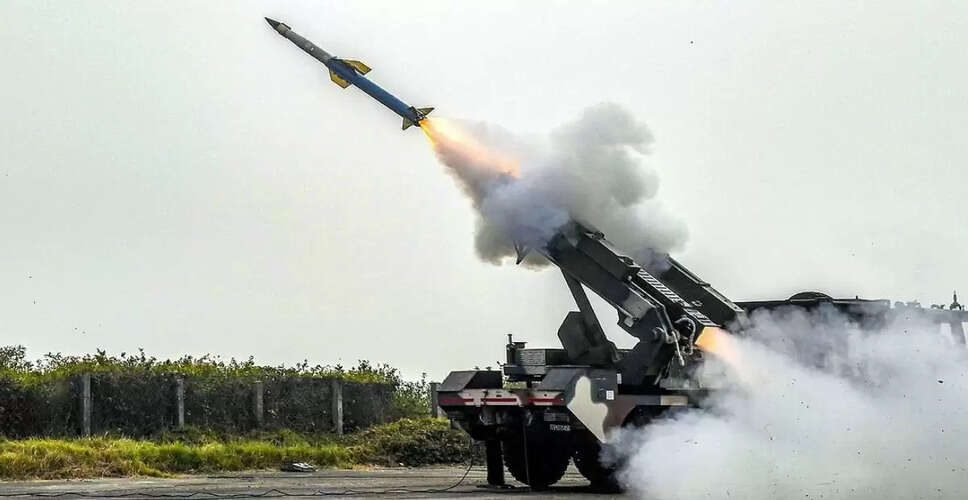
Engineers have designed Akashteer to be mobile, mounted on vehicles for easier deployment in hostile environments. This integration of various components minimizes the risk of friendly fire, enabling rapid engagement of enemy targets while ensuring the safety of friendly aircraft in contested airspace. The system incorporates advanced sensors, including 3D Tactical Radars and Low-Level Lightweight Radars.
Combat AI Capabilities
The most transformative aspect of Akashteer is its combat AI, which processes data from diverse sources—such as weather conditions, terrain, and radar intercepts—to make real-time decisions, reroute missions, and autonomously execute attacks. Reports indicate that during recent engagements, Akashteer’s coordinated drone strikes penetrated sensitive command zones undetected, rendering Pakistan's US-supplied AWACS and ground radar systems ineffective. Many defense experts in Pakistan have remarked that this technology surpasses anything previously encountered.
Conclusion
Akashteer provides a unified air picture to the lowest operational units of the Army Air Defence, enhancing coordination and situational awareness. By increasing automation and efficiency, it reduces the need for human input and decentralizes command, marking a new era in air defense capabilities.