
Indian Stock Market Surges Past Key Resistance Levels
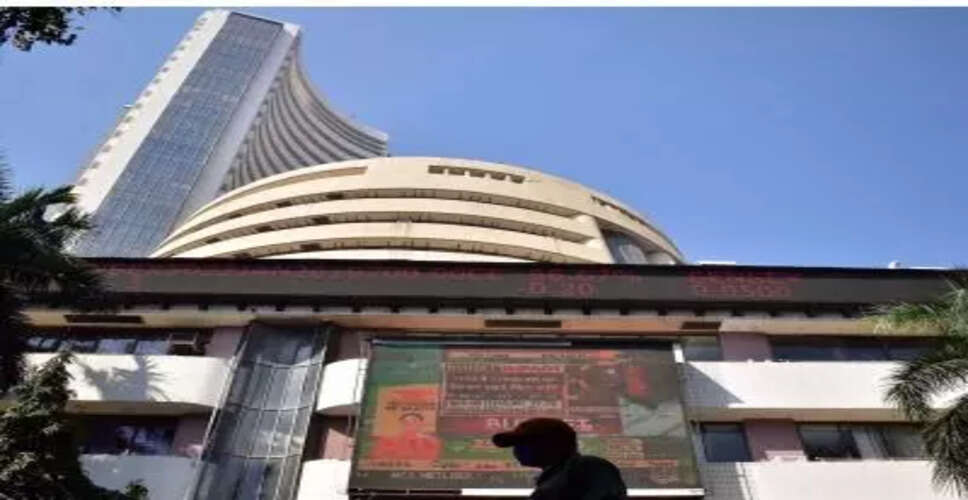
Market Performance Overview
Mumbai, June 21: The Indian stock market concluded last week on a high note, successfully overcoming significant resistance levels, driven by consistent institutional buying, as per analysts' insights shared on Saturday.
The Nifty 50 index notably closed above the crucial 25,000 threshold on Friday, reflecting strong bullish momentum. By the end of the trading day, the Sensex surged by 1,046.30 points, or 1.29%, reaching a new peak of 82,408.17, while the Nifty 50 climbed 319.15 points, also up by 1.29%, finishing at 25,112.40.
According to a report from Bajaj Broking Research, persistent inflows from both Foreign Institutional Investors (FIIs) and Domestic Institutional Investors (DIIs) were significant contributors, counteracting the challenges posed by ongoing geopolitical tensions and enhancing overall market sentiment.
The Nifty Index displayed a substantial bullish candle with higher highs and lows, indicating a resumption of upward movement following a recent period of consolidation. The index's firm closure above the 25,000 mark signifies its strength.
Looking ahead, analysts predict that the index may retest the upper limit of the recent five-week consolidation range, currently around the 25,200 mark. A decisive breakout above this resistance could pave the way for further gains towards the 25,500 level in the near future.
Despite midweek fluctuations caused by rising tensions in the Middle East and a sharp increase in crude oil prices, the Indian stock market remained resilient.
The Reserve Bank of India's easing of project financing regulations has provided a boost to financial stocks.
Vinod Nair, Head of Research at Geojit Investments Ltd., noted that the RBI's dovish stance, indicating potential rate cuts in light of low inflation, has bolstered market confidence, positioning monetary policy as a stabilizing factor amid global uncertainties.
Earlier in the week, crude oil prices surged due to geopolitical unrest, raising inflation concerns. However, the growth rate of oil prices slowed significantly after the initial spike, alleviating fears of a prolonged inflationary surge.
Investor sentiment in the pharmaceutical sector has turned cautious due to the proposed introduction of new tariffs, according to analysts.
As the deadline for a 90-day pause on reciprocal tariffs approaches, markets are closely monitoring trade negotiations and potential deal-making activities expected in the coming weeks.
Nair also highlighted that geopolitical uncertainties persist, with statements from global leaders regarding possible military actions in the Middle East keeping investors on alert. Additionally, upcoming U.S. GDP and PCE data, along with India's PMI figures, will be closely watched for insights into economic recovery trends both domestically and internationally.