
Indian Rupee Hits Record Low Amid Foreign Capital Outflows
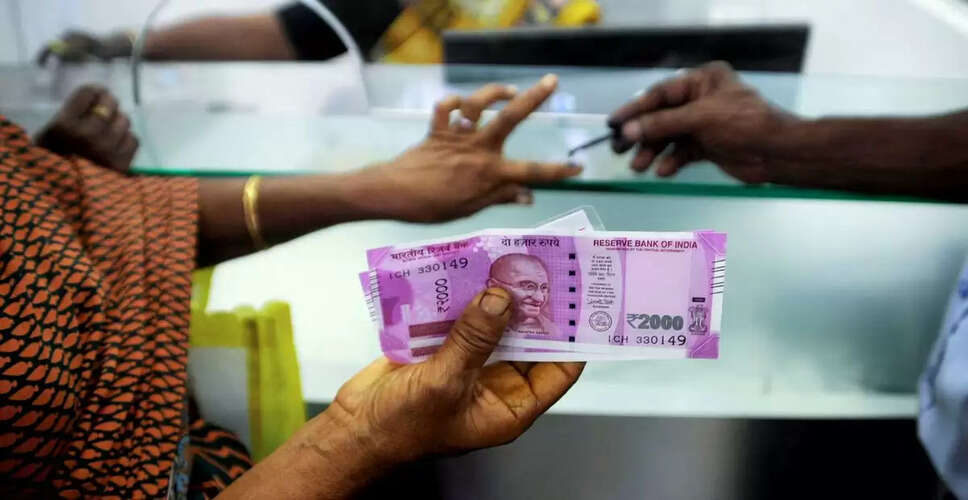
Rupee Declines to Historic Low
On Tuesday, the Indian rupee plummeted to a historic low of 91.02 against the US dollar. This decline is attributed to ongoing foreign capital withdrawals from the equity market.
The rupee's depreciation was further exacerbated by heightened demand for the dollar, linked to the impending maturity of positions in the non-deliverable forwards market. These financial derivatives are utilized for hedging or speculating on currency movements and are settled in cash.
This marks the fourth consecutive day of decline for the rupee, which had previously reached a low of 90.78 on Monday.
In 2025, the Indian currency has depreciated by 6%, making it the poorest-performing currency in Asia this year.
Foreign investors have withdrawn approximately $18 billion from the Indian equity market this year, contributing to the rupee's struggles.
Recent weeks have seen the rupee's decline driven largely by uncertainty surrounding a potential trade agreement between India and the United States.
In the absence of a trade deal, Indian exports are subject to a combined US tariff rate of 50%. This includes a 25% reciprocal duty imposed on August 7, followed by an additional 25% punitive tariff on August 27.
These tariffs were part of a pressure campaign by US President Donald Trump against nations buying discounted oil from Russia amid the ongoing conflict in Ukraine.
Despite these challenges, trade discussions between India and the US have gained traction in recent months.
Commerce Secretary Rajesh Agrawal stated on Monday that both nations are 'very close' to finalizing an initial trade agreement regarding tariffs, although he did not provide a specific timeline.