
Indian Rupee Hits Record Low Amid Foreign Capital Outflows
Rupee Declines to Historic Low
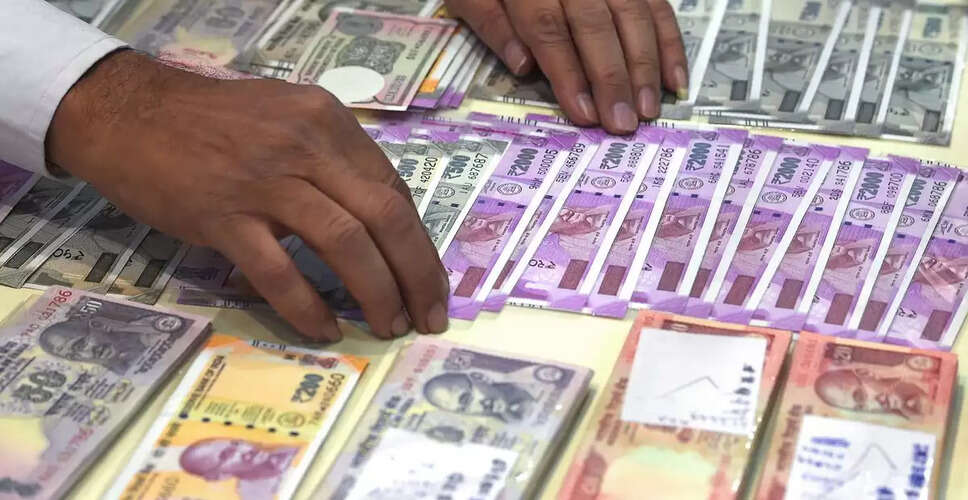
On Thursday, the Indian rupee plummeted to a historic low of 90.4 against the US dollar, driven by ongoing foreign capital withdrawals from the equity market. By 12:30 PM, it had slightly rebounded to 90.1.
The depreciation of the rupee is attributed to the imposition of tariffs by the United States and the prevailing uncertainty surrounding a potential trade agreement between India and the US.
The currency had already crossed the 90 threshold on Wednesday.
In 2025, the rupee has depreciated by approximately 5%, positioning it for its steepest annual decline since 2022, making it the poorest-performing currency in Asia this year.
Congress leader Mallikarjun Kharge criticized the government, asserting that the rupee's decline is a direct result of the policies implemented by Prime Minister Narendra Modi's administration. He remarked, 'If the government's policies were effective, the rupee would appreciate.'
Kharge further emphasized that the rupee's weakness reflects the country's economic struggles, stating, 'While the government may celebrate its achievements, our currency holds little value globally.'
Economic Advisor's Perspective
Chief Economic Advisor V Anantha Nageswaran expressed on Wednesday that he is 'not losing sleep' over the rupee's depreciation.
'It [the rupee] will recover next year,' he was quoted as saying. 'Currently, it is not affecting inflation or exports.'
Nageswaran noted that the significant rise in interest rates in developed nations over the past three years has not only increased the cost of capital for overseas investments but has also encouraged some funds to remain in those countries.
He acknowledged the geopolitical challenges facing foreign investments, stating, 'We must enhance our efforts to attract foreign direct investment and engage global supply chain companies to establish operations here.'
This year, foreign investors have withdrawn over $16 billion from the Indian equity market. Additionally, the merchandise trade deficit reached a record high in October.
The Reserve Bank of India's Monetary Policy Committee commenced a three-day meeting on Wednesday to deliberate on interest rates, with an announcement expected on Friday.