
Indian LPG Carrier 'Shivalik' Arrives at Mundra Port Amid Regional Tensions
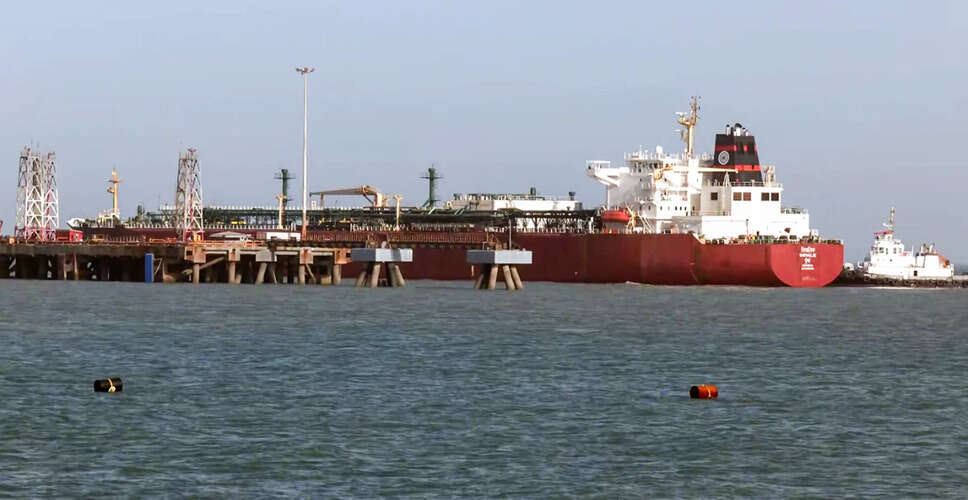
Arrival of LPG Carrier at Mundra
The Indian LPG carrier 'Shivalik', transporting approximately 40,000 metric tons of liquefied petroleum gas, docked at Mundra Port in Gujarat on Monday evening. The vessel safely navigated through the Strait of Hormuz late last night and arrived at the port early this morning. During an inter-ministerial briefing in New Delhi regarding recent developments in West Asia, Rajesh Kumar Sinha, Special Secretary of the Ministry of Ports, Shipping and Waterways, stated that arrangements for documentation and priority berthing were made to ensure the unloading of 'Shivalik' proceeded without delay.
Upcoming Arrivals and Safety Measures
Sinha further mentioned that another Indian vessel, 'Nanda Devi', is expected to arrive tomorrow. He also reported that the Indian-flagged ship 'Jag Ladki', carrying around 81,000 tons of Murban crude oil from the United Arab Emirates, is safely en route to India. The official confirmed that all Indian sailors in the Persian Gulf region are safe, with no incidents reported in the last 24 hours.
Current Maritime Situation
Currently, there are 22 Indian-flagged vessels remaining in the Persian Gulf, with a total of 611 sailors aboard. Previously, External Affairs Minister S. Jaishankar highlighted the importance of direct talks with Tehran to resume maritime traffic through the Strait of Hormuz, aiming to maintain India's energy security amid rising tensions in West Asia. In an interview with a UK publication, he noted that New Delhi is actively engaged in discussions with Iran to reopen this crucial waterway, which facilitates nearly 20% of global oil trade.
Diplomatic Efforts and Future Prospects
Jaishankar indicated that these discussions have begun yielding results, suggesting that it is more effective for India to engage in 'dialogue and coordination' rather than distancing itself from Tehran. He emphasized the importance of finding solutions through cooperation. While this diplomatic approach is a positive step, he acknowledged that ongoing efforts are necessary, and conversations will continue. The minister recently cited the transit of the 'Shivalik' and 'Nanda Devi' tankers as a practical success of this diplomatic strategy, with these tankers carrying nearly 92,712 metric tons of LPG.
Ongoing Management of Maritime Traffic
However, Jaishankar clarified that no formal comprehensive arrangements have yet been established for all Indian-flagged vessels. He explained that the transit of ships is currently managed on a 'case-by-case' basis. Iranian Foreign Minister Abbas Araghchi stated that the Strait of Hormuz is open, but it remains closed to those who have perpetrated cowardly attacks against Iran and their allies.