
Indian Government Seeks Support for Shipping Sector Amid Rising Insurance Costs
Government Initiatives to Aid Shipping Companies
On March 11, a senior official from the Finance Ministry revealed that the Indian government is considering various support measures for local shipping firms and exporters. This comes in response to a significant rise in insurance costs attributed to the war-risk premium linked to the ongoing conflict in Iran, which has affected the Middle East region.
During discussions led by Shipping Secretary T.K. Ramachandran and Department of Financial Services Secretary M. Nagaraju, industry representatives expressed their concerns regarding the steep increase in insurance expenses. These consultations aimed to evaluate how the West Asia conflict is impacting shipping costs and export logistics.
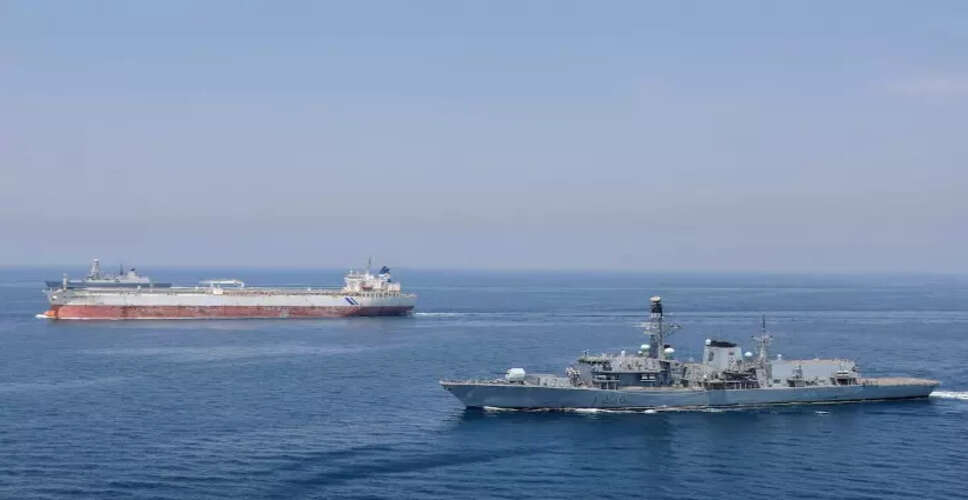
Exporters and shipping firms highlighted the alarming rise in war risk premiums for vessels navigating crucial maritime routes associated with West Asia, particularly around the Strait of Hormuz. The surge in insurance costs, coupled with the potential need to reroute vessels to steer clear of conflict zones, has escalated logistics costs for Indian exporters.
These heightened insurance expenses are undermining the competitiveness of Indian businesses in global markets, as increased operational costs directly affect profit margins and pricing strategies.
Approximately 50% of India's crude oil imports, along with a significant portion of liquefied natural gas (LNG) and liquefied petroleum gas (LPG) shipments, typically transit through the Strait of Hormuz, a vital Gulf chokepoint now effectively compromised by the ongoing conflict.
In a related development, commercial vessels faced attacks in the Strait of Hormuz on Wednesday, following the United States' announcement of the destruction of 16 Iranian mine-laying ships to prevent Tehran from obstructing this critical waterway, which facilitates 20% of the world's oil exports. This drastic action was prompted by disruptions in oil supplies that were causing price surges in the global market.
On Wednesday morning, a bulk carrier was struck by an unidentified projectile near Dubai, marking the 17th incident involving vessels in the region, as reported by the United Kingdom Maritime Trade Operations (UKMTO). Fortunately, the crew of the carrier was safe and successfully evacuated the ship.
Additionally, the US has pledged to provide naval protection for commercial vessels traversing the Strait of Hormuz.