
Indian Embassy Issues Urgent Advisory Amid Escalating Tensions in Israel
Critical Advisory from the Indian Embassy
Embassy's Strict Guidelines
The Indian Embassy has made a plea to the thousands of Indian workers, students, and professionals living in Israel due to the heightened tensions. The following measures have been recommended:
Adhere to Security Protocols: All Indian nationals must strictly follow the security instructions issued by Israeli authorities and the 'Home Front Command.'
Maintain Vigilance: Stay alert to minimize any potential threats in light of possible retaliatory attacks or escalation of violence.
Avoid Unnecessary Travel: The embassy has advised against visiting high-risk areas.
Impact of Israeli-US Strikes
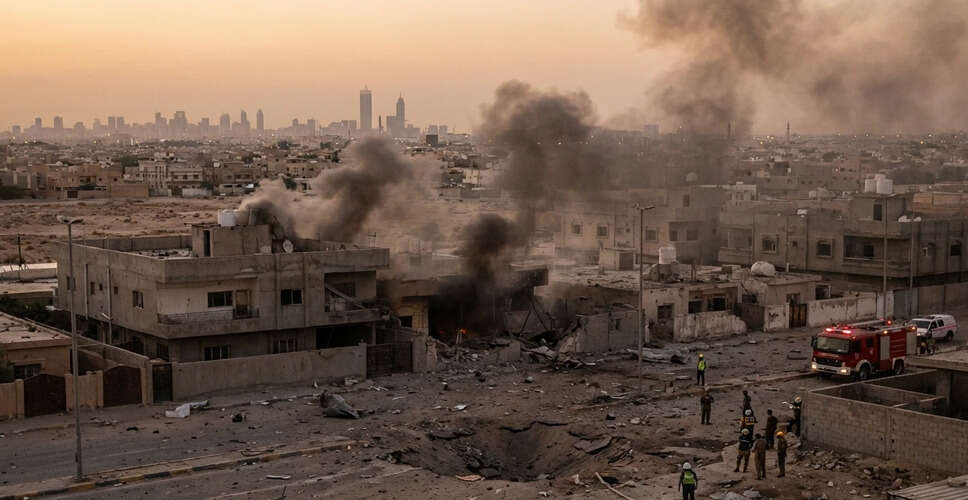
On Saturday, Israel conducted a precise strike in central Tehran, resulting in a plume of smoke near the office of Supreme Leader Ayatollah Ali Khamenei. The 86-year-old leader has not been seen in public amid the US-Iran nuclear tensions. Officials, speaking on condition of anonymity, suggested US involvement, although details regarding Washington's role remain unclear. This incident coincided with the US deploying fighter jets and warships to curb Iran's nuclear ambitions, which President Trump views as an opportunity amid domestic unrest in Tehran. Iranian state television reported explosions without specific details, while witnesses noted hearing initial blasts; no casualty figures have been released, but Israeli Defense Minister Katz described the operation as a means of "removing threats."
Increased Risks for Indian Nationals
The embassy's advisory raises concerns for over 18,000 students and numerous migrant workers living abroad, emphasizing a zero-tolerance policy for complacency, as the Home Front Command's guidelines have become crucial. Emergency plans are in place, but with unprecedented escalation combining nuclear threats and direct urban attacks, attention is focused on the evolving situation. New Delhi is closely monitoring developments and prioritizing the safety of its citizens amid regional instability.
Airspace Lockdown and Fear of Retaliation
Simultaneously, sirens sounded across Israel as it closed its airspace and issued proactive missile alerts in preparation for potential Iranian retaliation targeting US bases and civilians. Iran had previously warned that such assets could be targeted. Tehran responded by shutting down its airspace and mobile services, leading to a communication blackout in the city, with reports of further explosions. This timing coincides with stalled nuclear negotiations, where Iran insists on its rights to uranium enrichment while avoiding support for missile programs and proxies like Hamas and Hezbollah, raising fears of a larger conflict.
Trump's Clear Statement on Iranian Threats
US President Donald Trump confirmed the escalating tensions, stating that America has initiated "major combat operations" in Iran to neutralize growing threats from the government and protect civilians. He pledged to completely halt Iran's efforts to acquire nuclear weapons and criticized Tehran's attempts to restart its atomic program, which poses a danger to the US and its allies with long-range missiles. Trump vowed to obliterate Iran's missile factories—"bring them down to the ground"—and to dismantle its navy, ensuring that Tehran never becomes equipped with nuclear arms.